
Unity Cup 2026: India Set for Crucial Test Against Nigeria, Jamaica and Zimbabwe in London

Indian football is preparing for one of its most important international assignments in recent years as the Blue Tigers gear up for the Unity Cup 2026 in London, a tournament that promises high-level competition, global exposure and a rare opportunity to test themselves against physically stronger and internationally experienced opponents.
The four-nation tournament will be played from May 26 to 30 at The Valley, the historic home stadium of English club Charlton Athletic FC. India will compete alongside Nigeria, Jamaica and Zimbabwe in what is expected to be one of the most closely followed international tournaments involving the Indian national team in recent memory.
For Indian football, the Unity Cup represents much more than a friendly competition.
It marks India’s return to the United Kingdom for an international football tournament after 24 years. The Blue Tigers last played in the UK back in 2002, coincidentally against Jamaica in two friendly matches, losing one 3-0 while drawing the other 0-0.
Now, more than two decades later, India will once again face Jamaica in the semifinals of the Unity Cup on May 27. The tournament format is straightforward but highly competitive. Nigeria will take on Zimbabwe in the first semifinal on May 26, while India face Jamaica a day later. The winners will advance to the final on May 30, with the losing teams contesting the third-place playoff.
India’s participation is particularly significant because of the level of opposition involved.
Nigeria remain one of Africa’s biggest footballing powers and are the defending Unity Cup champions. The Super Eagles have consistently competed at FIFA World Cups and Africa Cup of Nations tournaments, producing world-class footballers across generations. Jamaica, meanwhile, bring a fast, aggressive and athletic style of football. Their squad includes players with experience across European and North American leagues, making them a difficult opponent for any Asian side.
Zimbabwe too possess strong technical quality and physical presence, ensuring that every match in the tournament will provide valuable learning opportunities for India.
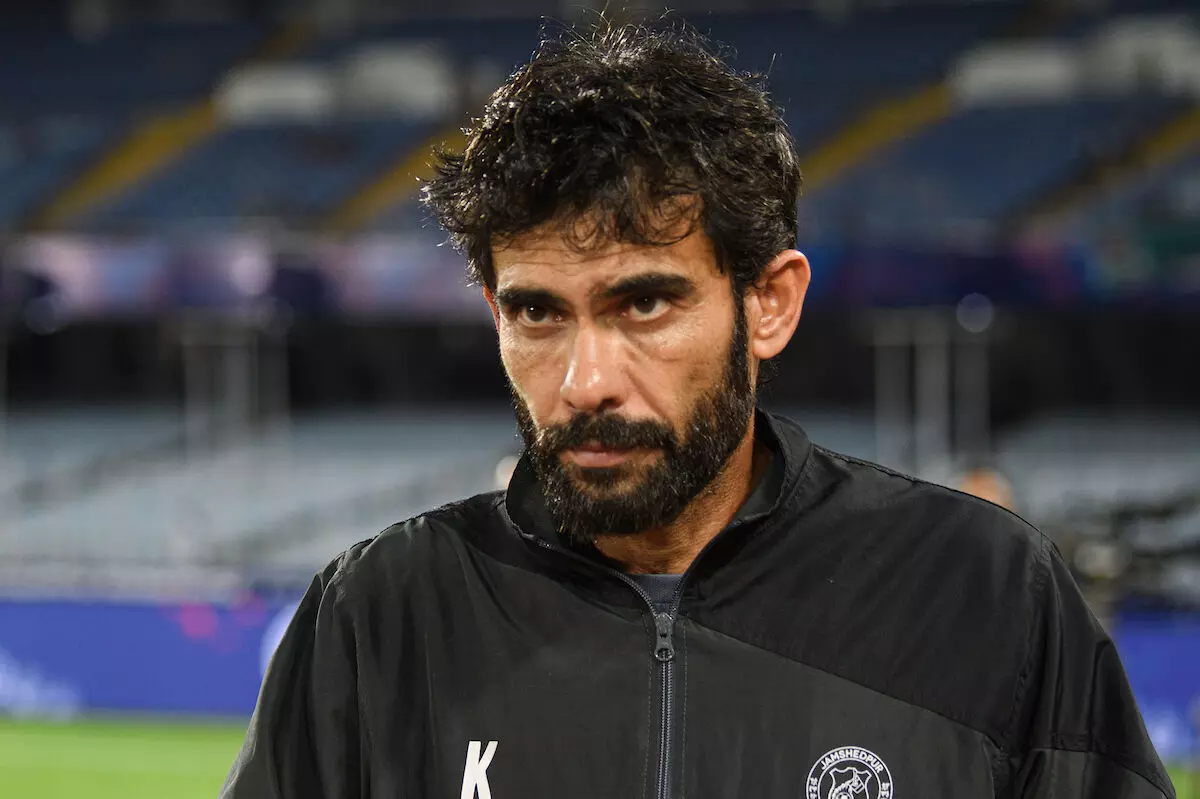
For head coach Khalid Jamil, the Unity Cup arrives at a crucial stage in India’s development.

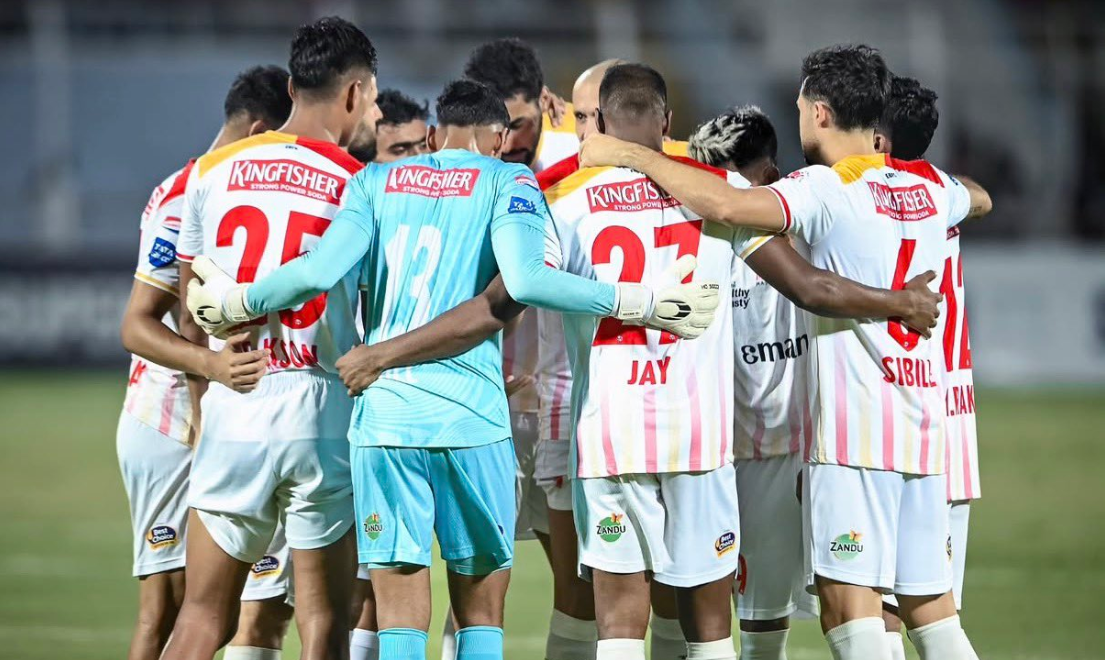
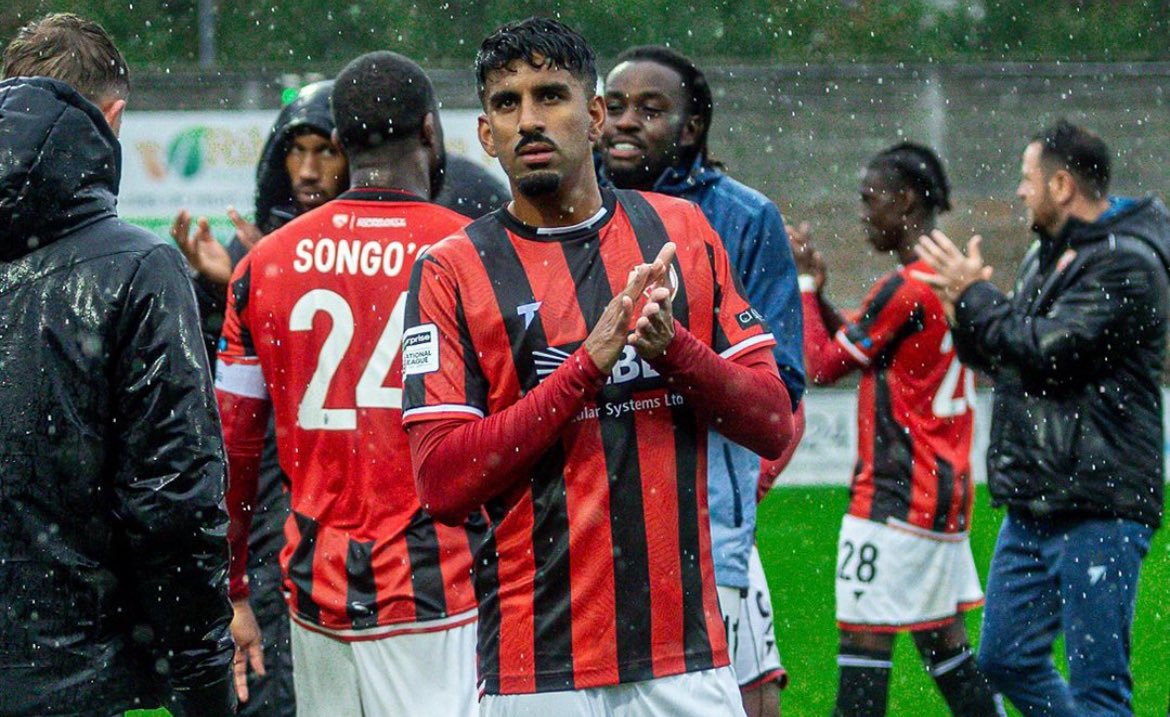
Jamil has already named a 28-member preliminary squad for the tournament featuring a blend of experienced internationals and emerging players. Senior names such as Gurpreet Singh Sandhu, Sandesh Jhingan, Anirudh Thapa and Lallianzuala Chhangte are expected to lead the side, while younger players will get the opportunity to test themselves against significantly higher-ranked opposition.
Speaking ahead of the tournament, Jamil described the Unity Cup as an ideal preparation platform for upcoming competitions, particularly the SAFF Championship later this year. More importantly, the tournament offers Indian players exposure to the pace, intensity and tactical discipline required at a higher international level.
Indian football has often struggled when facing physically superior teams outside South Asia. The Unity Cup therefore becomes an important benchmark to evaluate how far the national team has progressed in recent years.
There is also considerable cultural and symbolic significance attached to the event. The Unity Cup was originally created to celebrate multicultural communities and diaspora connections in London. Nations participating in the tournament typically have large overseas communities in the United Kingdom, helping create vibrant support both inside and outside the stadium.
India’s inclusion reflects the growing recognition of Indian football internationally and the increasing relevance of the Indian fanbase in global football markets.
The London setting could also prove hugely beneficial from a visibility perspective. Playing in one of football’s biggest global cities gives Indian players a chance to perform in front of international scouts, analysts and overseas supporters. Strong performances against established footballing nations can help improve India’s image globally and build confidence ahead of future Asian competitions.
The timing of the tournament is equally important. Indian football is currently undergoing gradual structural changes through the Indian Super League, youth development systems and increased international exposure. While progress has been inconsistent at times, tournaments like the Unity Cup indicate a clear desire to move towards a more competitive international football framework.
For fans, the tournament represents hope and curiosity in equal measure.
India are not entering as favourites, but that perhaps makes the challenge even more exciting. The opportunity to compete against opponents like Nigeria and Jamaica offers a clearer picture of where the national team currently stands outside the South Asian football ecosystem. Broadcast and streaming coverage are also expected to attract significant interest. FanCode is set to stream the tournament digitally, ensuring supporters in India and abroad can closely follow the Blue Tigers’ campaign in London.
Ultimately, the Unity Cup should not only be judged by results. A trophy would undoubtedly be historic, but the bigger objective is growth tactical growth, mental growth and competitive growth. Playing meaningful international matches in a demanding environment is exactly the kind of exposure Indian football needs more regularly.
As the Blue Tigers prepare to walk out at The Valley later this month, Indian fans will hope the Unity Cup becomes more than just another tournament.
They will hope it marks the beginning of a more ambitious and globally competitive era for Indian football.
Comments (0)
to post comments, replies, and votes.
Loading comments…