
East Bengal End 22-Year Wait With Historic Maiden ISL Title Triumph
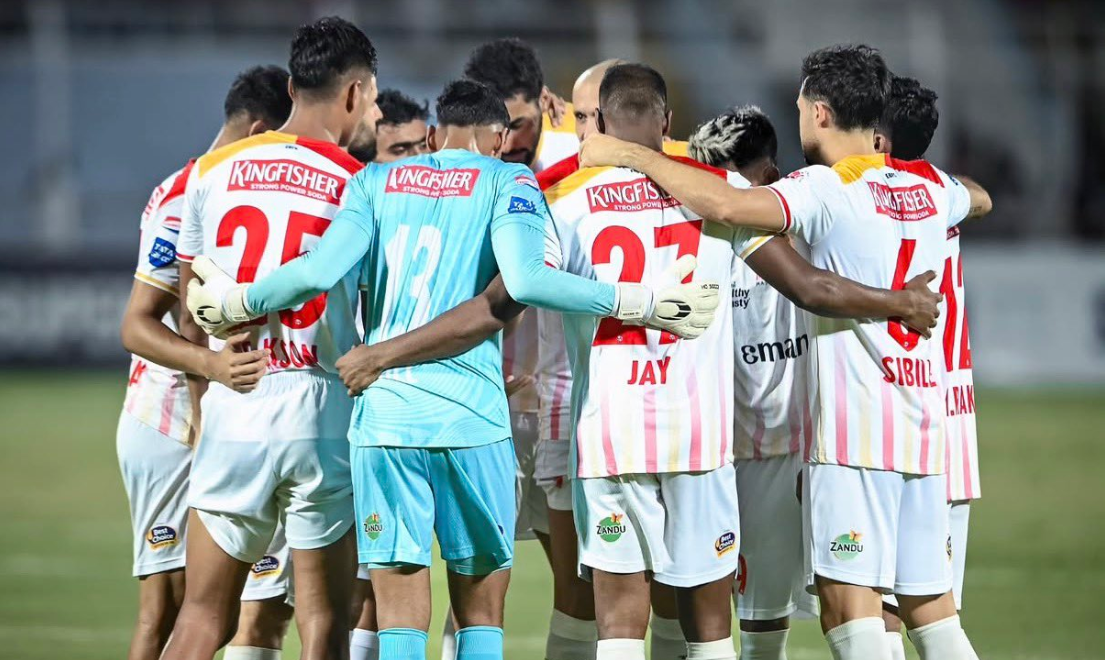
After 22 years of heartbreak, frustration and endless waiting, East Bengal are finally champions of India once again.
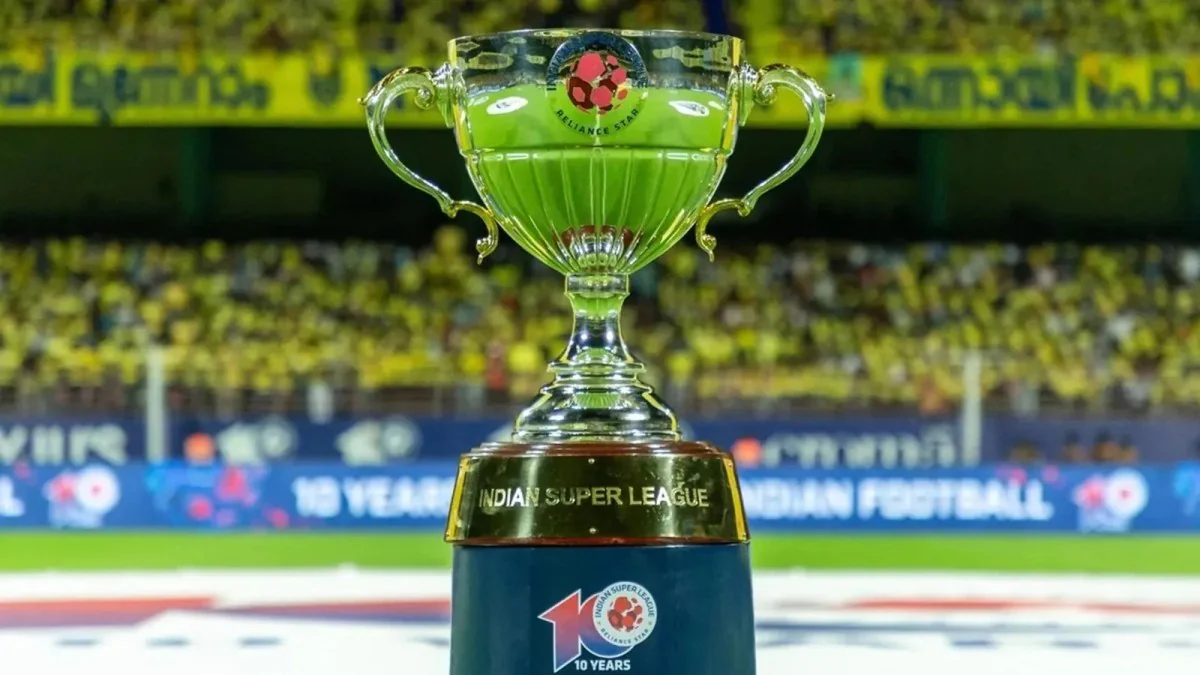
The Red and Gold Brigade scripted a dramatic comeback victory over Inter Kashi on Thursday night, overturning a first-half deficit to win 2-1 and clinch their maiden Indian Super League title in one of the most emotional nights in the club’s modern history.
For East Bengal supporters, this was far more than just another trophy.
It was the end of a drought that had haunted one of Indian football’s biggest institutions for more than two decades. Since winning the National Football League title in 2004, East Bengal had endured years of decline, managerial instability and disappointing league finishes. At one stage, even qualifying for the ISL playoffs felt distant. Now, they stand at the summit of Indian football again.
The title-winning moment arrived after a tense final day of the season where multiple clubs remained mathematically alive in the championship race. East Bengal entered the decisive fixture knowing victory would secure the title regardless of results elsewhere, but the pressure became immediate when Inter Kashi took an early lead.
Alfred Planas stunned the visitors in the opening half with a composed first-time finish that sent East Bengal fans into silence and briefly reopened the title race. With Mohun Bagan Super Giant also pushing for the championship in their own match against Sporting Club Delhi, the tension surrounding East Bengal only intensified.
For a team carrying the emotional weight of a 22-year league drought, the setback could easily have triggered panic.
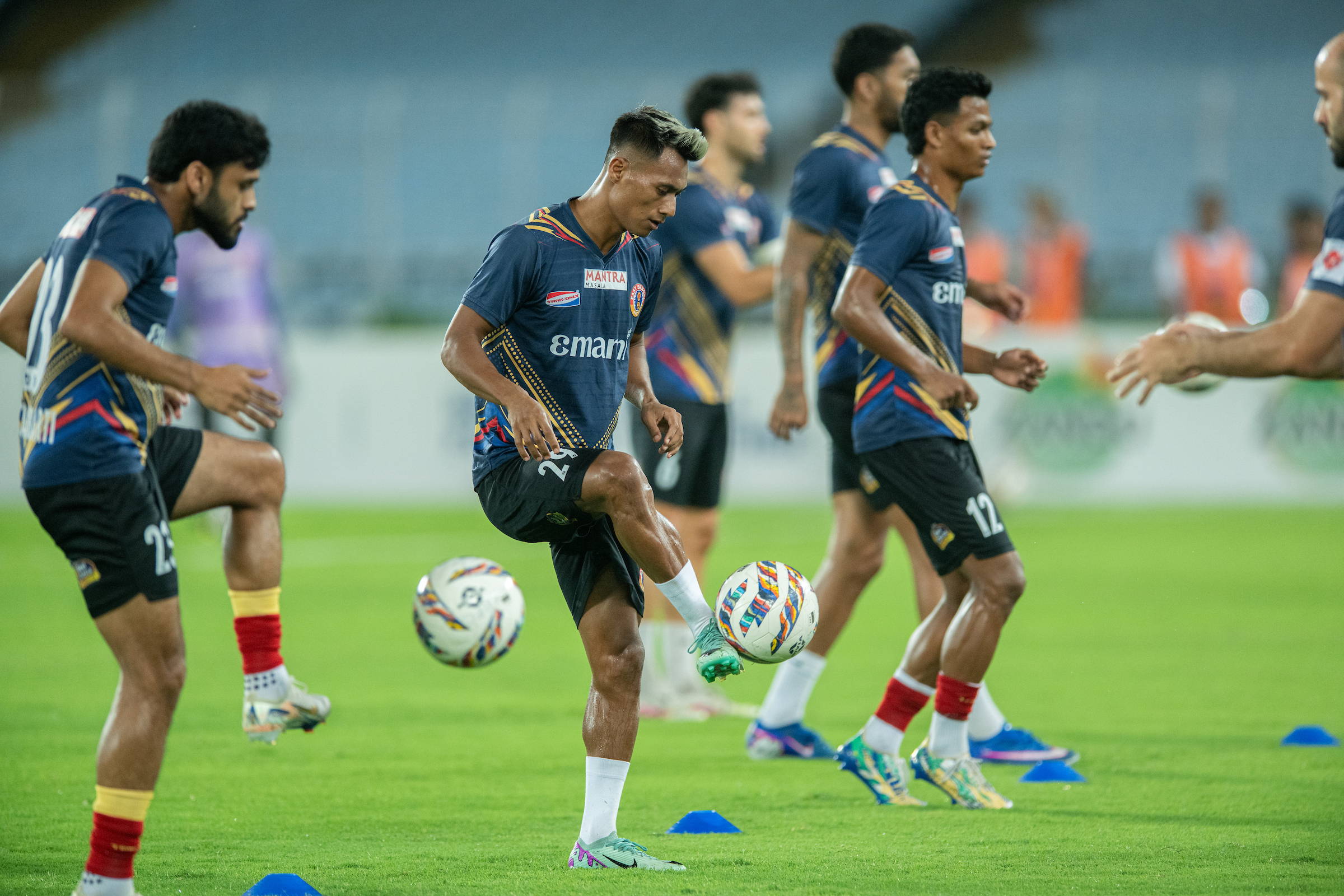
Instead, East Bengal responded like champions. Óscar Bruzón’s side emerged after halftime with greater urgency, sharper movement and far more attacking aggression. Their response reflected the mentality the Spanish coach has gradually built within the squad over the course of the season.
The equaliser finally arrived through Youssef Ezzejari, whose goal reignited belief among the thousands following the decisive encounter. Suddenly, East Bengal looked transformed faster in transition, more confident on the ball and emotionally fuelled by the possibility of history.
Then came the defining moment.
Captain Mohammed Rashid stepped forward to score the winning goal that sealed the title and instantly secured his place in East Bengal folklore. The midfielder’s strike completed the comeback and triggered emotional celebrations among players, staff and supporters who had waited decades for a moment like this. As the final whistle blew, years of frustration disappeared instantly.
East Bengal were champions of India again.
The significance of the achievement becomes even greater when viewed against the club’s recent ISL history. Before this season, East Bengal’s best finish in the league was only ninth place. They had repeatedly struggled to compete consistently against the ISL’s stronger and more financially stable sides.
Questions surrounded the project almost every season.
Yet under Óscar Bruzón, the club found tactical clarity, balance and belief. East Bengal were not flawless during the campaign. There were setbacks, difficult phases and moments where the title challenge appeared to fade. But unlike previous seasons, they continued finding ways to respond. That resilience ultimately defined their championship run.
The title also marks a remarkable moment for East Bengal as an institution because the club now simultaneously holds both the ISL and Indian Women’s League titles — a rare and hugely significant achievement for Indian football.
It reflects a wider structural improvement within the club, both on and off the pitch.
While East Bengal celebrated, the final day also brought heartbreak elsewhere.
Mohun Bagan Super Giant defeated Sporting Club Delhi 2-1 thanks to a dramatic 99th-minute winner from Jamie Maclaren, but it ultimately proved insufficient. The Mariners needed a much larger margin of victory to overturn East Bengal’s superior goal difference.
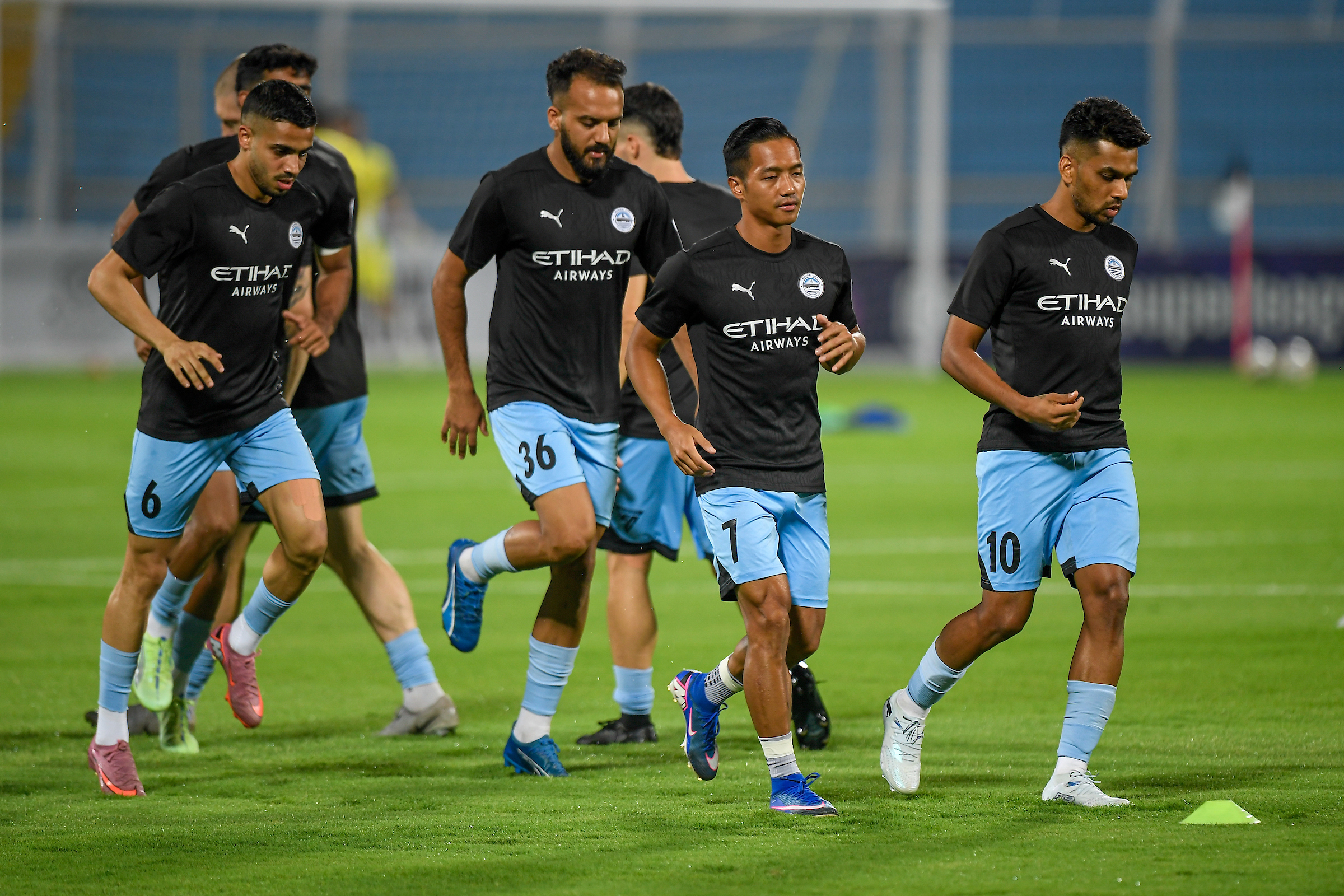
Mumbai City FC defeated nine-man Punjab FC 2-0, while Jamshedpur FC and Odisha FC played out a goalless draw, ending their own hopes of lifting the trophy.
Yet the night belonged entirely to East Bengal.
For older supporters, the triumph carried memories of the club’s glorious past the days when East Bengal regularly dominated Indian football and competed with fearlessness across Asia. For younger fans, many of whom had grown up without witnessing a league triumph, this was their first experience of seeing East Bengal crowned champions.
The scenes after the match reflected that emotional release.
Players embraced each other in tears, supporters celebrated wildly in the stands and across Kolkata, and the sense of relief was impossible to ignore. After years of watching rivals celebrate success, East Bengal had finally reclaimed their place at the top.
The triumph could also prove transformational for Indian football itself. A strong East Bengal competing consistently at the top elevates the league emotionally, commercially and culturally. Few clubs in Indian football possess the fanbase, history and emotional pull of the Red and Gold Brigade. Their return to the summit therefore feels significant beyond just one trophy.
And perhaps that is what makes this victory even more special. This was not simply a title win.
It was the revival of one of Indian football’s sleeping giants.
Comments (0)
to post comments, replies, and votes.
Loading comments…