


Sarpreet Singh Set To Become First Player Of Indian Origin At FIFA World Cup In 20 Years
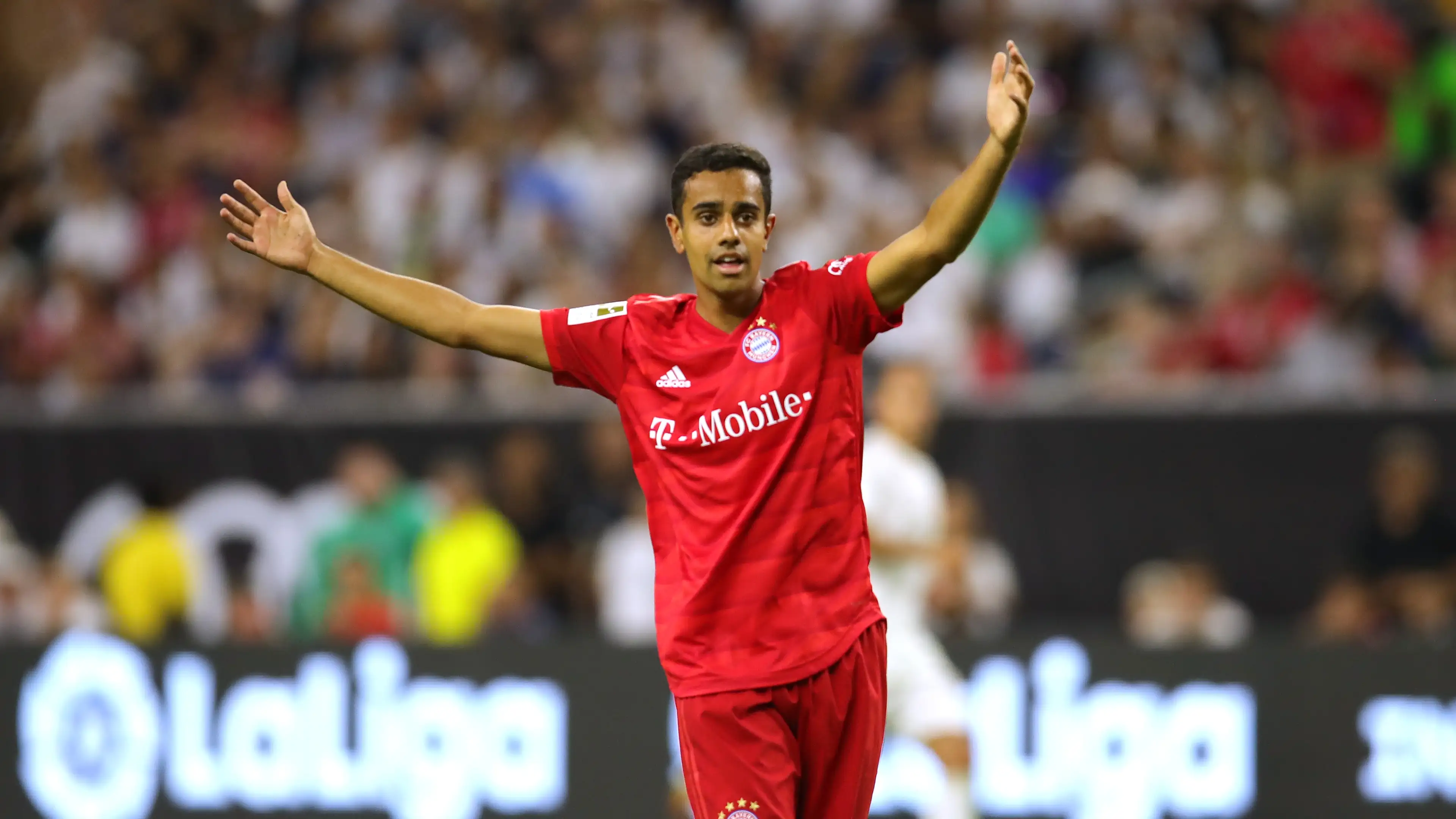
The announcement of Sarpreet Singh in New Zealand’s squad for the FIFA World Cup 2026 marks a historic moment for football fans of Indian origin across the world.
The attacking midfielder is set to become the first player of Indian origin in 20 years to compete at football’s biggest tournament, ending a long wait since Vikash Dhorasoo represented France at the 2006 FIFA World Cup in Germany.
For Indian football supporters, it is a moment that carries emotional as well as symbolic significance. India itself is yet to qualify for a FIFA World Cup, but over the years, players with Indian roots have slowly begun establishing themselves in elite football systems around the world. Sarpreet Singh’s inclusion in the New Zealand squad represents perhaps the biggest modern milestone in that journey.
The last footballer of Indian origin to play at a FIFA World Cup was Vikash Dhorasoo, widely regarded as the greatest player of Indian heritage in football history. The French midfielder represented France during their run to the 2006 World Cup final and played alongside legends like Zinedine Zidane, Thierry Henry and Patrick Vieira. Dhorasoo’s story remains extraordinary even today.
Born in France to a family of Indo-Mauritian origin with Telugu roots tracing back to Andhra Pradesh, Dhorasoo built a remarkable club career with Lyon, AC Milan and Paris Saint-Germain. He won Ligue 1 titles, played in a UEFA Champions League final with Milan and earned 18 caps for France. His goal against Cyprus in 2005 helped France qualify directly for the World Cup.
Now, two decades later, Sarpreet Singh will carry that legacy forward in a completely different footballing generation.
Sarpreet Singh’s rise has been one of the most fascinating stories in New Zealand football over the last decade.
Born in Auckland in 1999 to Punjabi parents, Singh grew up in a traditional Indian household while simultaneously developing into one of New Zealand’s brightest football talents. Under coach Hiroshi Miyazawa at Onehunga Sports, Singh’s technical ability became evident from a very young age. He even won MVP honours at the Australian National Futsal Championships as a child.
His breakthrough came through the Wellington Phoenix academy system, where he emerged as one of the most creative young midfielders in the A-League. The defining moment of his early career arrived in 2019 when German giants Bayern Munich signed him on a three-year deal. The transfer made Singh the first player of Indian descent to play in the Bundesliga and generated enormous excitement among football fans in India and New Zealand alike.
Training alongside players like Robert Lewandowski, Thomas Müller and Philippe Coutinho under Hansi Flick represented a huge step in his development.
Although injuries and loan spells interrupted parts of his European journey, Singh continued progressing steadily through clubs in Germany, Portugal and Serbia before returning to Wellington Phoenix ahead of the World Cup cycle. Despite suffering a serious knee injury earlier this year, he recovered in time to secure his place in New Zealand’s final squad.
A Different Kind Of Football Connection For India
For Indian fans, Singh’s inclusion creates a unique emotional connection with the FIFA World Cup. India has historically struggled to establish itself consistently at elite football levels despite football’s growing popularity across the country. The appearance of players with Indian roots at the World Cup offers representation that many fans deeply connect with.
Singh’s story also highlights the difference structured football ecosystems can make.
While India continues to battle developmental and infrastructure challenges domestically, players of Indian heritage raised within strong footballing systems abroad are increasingly reaching top professional levels. Singh’s pathway through New Zealand football and into European football demonstrates the benefits of early academy structures, elite coaching and long-term development.
The All Whites secured qualification for the FIFA World Cup 2026 after defeating New Caledonia 3-0 in the OFC qualifying final, marking New Zealand’s first World Cup appearance since 2010. Placed in Group G alongside Belgium, Egypt and Iran, New Zealand face a difficult challenge but will hope to build on the momentum of qualification.
Sarpreet Singh is expected to play an important creative role in midfield, supporting experienced names such as Nottingham Forest striker Chris Wood and Kosta Barbarouses. For Singh personally, the World Cup will represent the biggest stage of his career so far.
The 2026 World Cup also reflects a broader trend of increasing South Asian representation in international football. Players like DR Congo midfielder Samuel Moutoussamy and Qatar youngster Tahsin Mohammed Jamshid also trace roots to the Indian subcontinent. Their presence demonstrates how global migration patterns are slowly reshaping football demographics. However, Sarpreet Singh’s story perhaps resonates most strongly with Indian football fans because of the direct visibility of his Punjabi heritage and his long-standing connection with the Indian diaspora community.
For many supporters, Sarpreet Singh’s World Cup selection is about far more than statistics or squad lists. It represents visibility. It represents aspiration. And most importantly, it reminds millions of young footballers of Indian origin around the world that they too can belong on football’s grandest stage.
Twenty years after Vikash Dhorasoo represented France in Germany, another player of Indian origin is finally ready to walk onto the World Cup stage once again.
Comments (0)
to post comments, replies, and votes.
Loading comments…

.jpg.jpeg)
.jpg)