PV Sindhu’s 2025 Season: A Strategic Pause in the Pursuit of Longevity

PV Sindhu’s 2025 Season: A Strategic Pause in the Pursuit of Longevity — latest Badminton news, results and analysis for Indian sports fans on IndiaSportsHub.
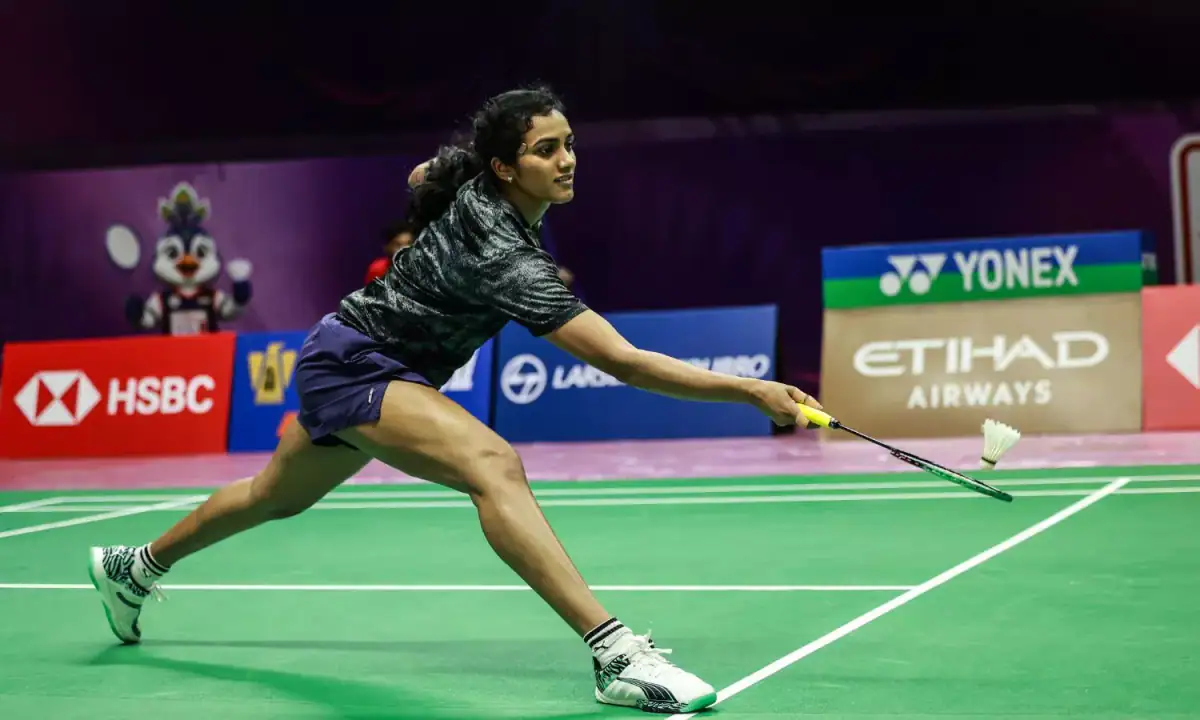
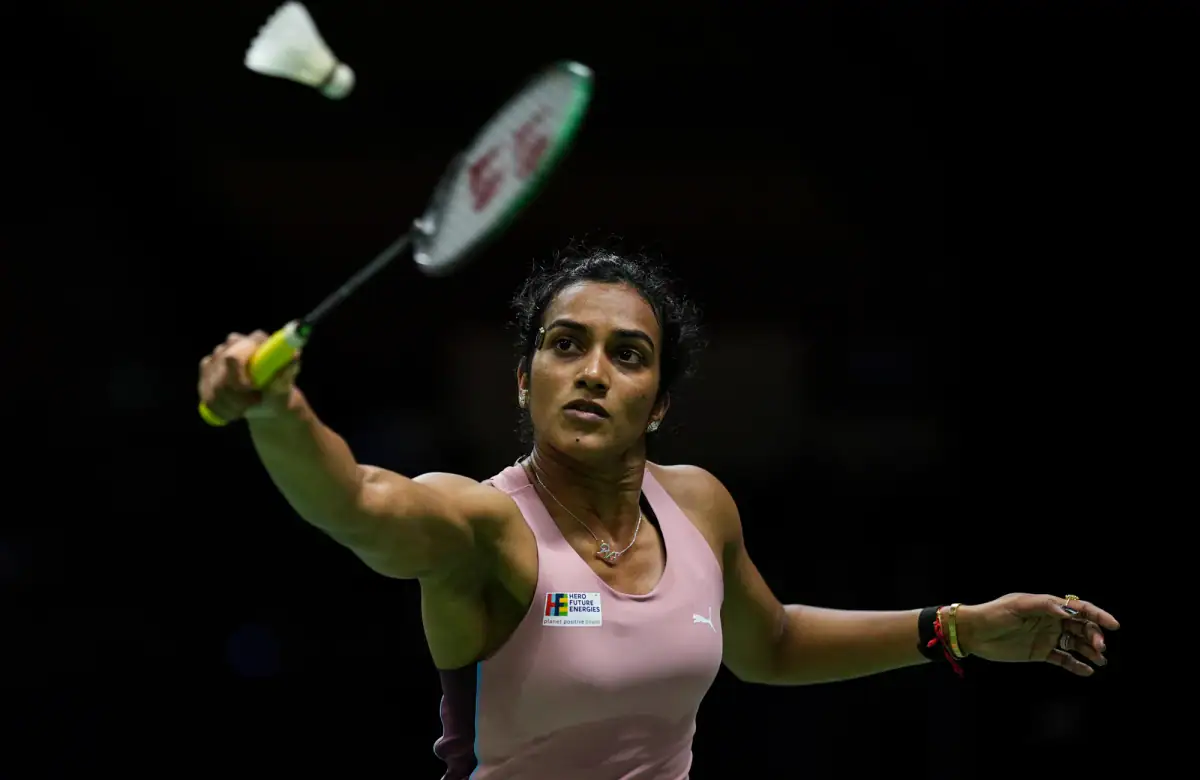
When PV Sindhu announced on October 27, 2025 that she was withdrawing from all remaining BWF World Tour events, it marked the abrupt conclusion of what has been the most testing season of her illustrious career.
A year that began with hope for redemption after the disappointment of Paris 2024 ended instead with a difficult but deliberate decision one that prioritizes long-term survival over short-term success.
The official reason: a persistent foot injury sustained before the European leg of the tour, which has refused to heal despite months of conservative treatment. But the deeper context reveals more a convergence of fatigue, tactical overreach, and the cumulative wear of a decade at badminton’s elite level.
Coming into 2025, Sindhu appeared determined to rebuild. She began working with Indonesian coach Irwansyah Adi Pratama, whose philosophy emphasized aggression and pace. The early results offered cautious encouragement a quarterfinal at the India Open Super 750, her best finish since mid-2024. However, that promise quickly unraveled. Early exits followed at the Indonesia Masters, All England Open, and Swiss Open. By May, she had already suffered six first-round losses, an unimaginable statistic for an athlete who, not long ago, stood consistently in the world’s top five.
The numbers tell a stark story. Players reaching quarterfinals earn around 8,000 ranking points, but first-round exits bring barely 1,450. The cumulative erosion saw Sindhu tumble to No. 21 in the world by mid-year before stabilizing between 14 and 17. For the first time since 2016, she went an entire season without a title.
The inconsistency wasn’t purely technical it was physiological. In February, a hamstring strain forced Sindhu to withdraw from the Badminton Asia Mixed Team Championships. Then came the foot injury ahead of the European circuit the same issue that would eventually end her season.
The decision to halt competition was taken in consultation with Dr. Dinshaw Pardiwala, one of India’s foremost sports orthopaedic specialists, and reflects the gravity of the problem. Sources close to the camp suggest the injury was not a mere soft-tissue strain but possibly a chronic stress reaction or ligament instability that, if aggravated, could have threatened her long-term mobility.
Sindhu’s earlier injury history makes this episode particularly concerning.
- 2022: stress fracture in her left foot/ankle (five-month layoff).
- 2023: knee injury that ended her season prematurely.
- 2025: recurrence of foot pain, leading to season withdrawal.
Three serious lower-body setbacks in four years suggest not coincidence but a pattern a load-management failure tied to her explosive, high-impact playing style.
Glimpses of Greatness Amid the Gloom
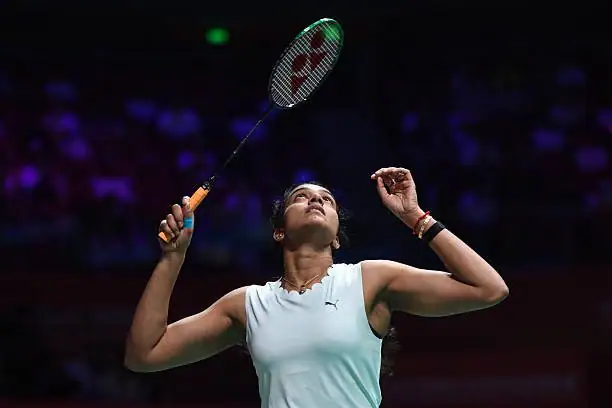
Even through the struggles, Sindhu produced flashes of her enduring class. At the World Championships in Paris, she stunned world No. 2 Wang Zhi Yi in straight games extending her flawless 8-0 record against Chinese opponents at the Worlds. She eventually fell in the quarterfinals to Indonesia’s Putri Kusuma Wardani, yet the win reaffirmed that her elite skillset and match temperament remain intact when physically uncompromised. At the China Masters a month later, Sindhu beat Thailand’s sixth-ranked Pornpawee Chochuwong before bowing to Olympic champion An Se-young.
The ability to challenge top-10 players proved the issue was not technical regression but rather physical sustainability her body could no longer produce peak intensity week after week.
Under Irwansyah, Sindhu sought to reinvent herself as a more aggressive, front-foot player a style mirroring Indonesia’s attacking ethos. But the transition exacted a heavy price. The emphasis on higher tempo and jump smashes dramatically increased ground-reaction forces on the lower limbs. For an athlete with a history of stress injuries, this was risky. The new tactical system demanded a physical profile that required months of foundational conditioning time she didn’t have amid the dense BWF schedule. The result was predictable: improved aggression in short bursts, but spikes in injury recurrence and performance volatility.
The contrast became apparent in match data: when fully fit, she beat top-five players; when fatigued, she crashed in the first round. To rebuild consistency, Sindhu and Irwansyah must now find an equilibrium blending controlled aggression with defensive reliability rather than pursuing speed at the expense of sustainability.

This time, Sindhu’s decision to step away was not reactive but strategic. The multi-disciplinary support team led by Dr. Wayne Lombard (physiotherapist), along with Nisha Rawat and Chetna, is focusing on a structured rehabilitation plan aimed at restoring her kinetic-chain balance and preventing recurrence.
Dr. Pardiwala’s assessment reportedly advised against any competitive load before January 2026, marking a three-month off-court period devoted to structural correction, strength symmetry, and movement re-education. Such prudence is unprecedented in Sindhu’s career. In 2023 and 2024 she attempted to rush back from injuries ahead of Olympic cycles decisions that cost her form and confidence. This time, she appears willing to trade tournaments for longevity, signaling a shift from reactive recovery to proactive preservation.
Her withdrawal also carries strategic implications under BWF regulations. The sport’s Player Commitment Rule mandates that top-15 ranked shuttlers must compete in 12 mandatory events annually. Remaining inside that bracket would have compelled Sindhu to participate in physically demanding Super 750 and 1000 tournaments early next year or risk heavy fines. By slipping outside the top 15, she now gains regulatory flexibility. This freedom will allow her to hand-pick smaller Super 300/500 events in early 2026, gradually re-building rhythm without violating obligations.
Additionally, Sindhu qualifies for a Protected Ranking on medical grounds, ensuring direct entry into major draws upon her return, even if her ranking dips further. It’s a crucial safeguard that lets her stage a controlled, low-pressure comeback.
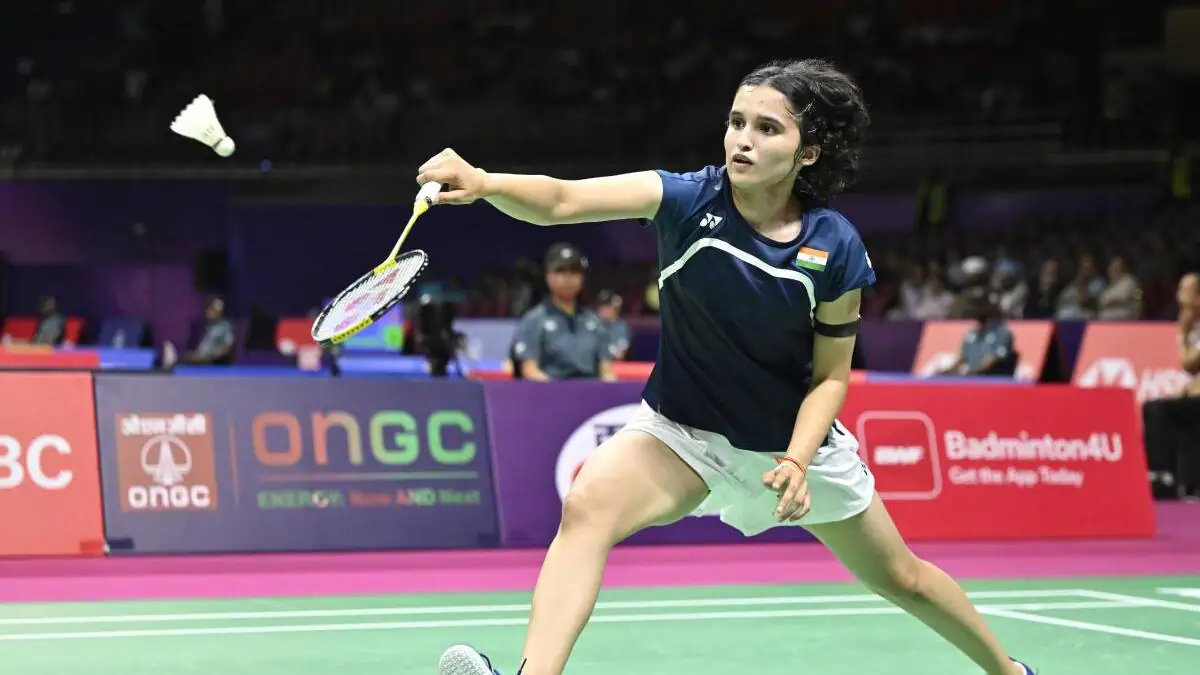
Indian Women Shine as Unnati, Rakshita and Shriyanshi Enter Hylo Open R16
Sindhu has made it clear she intends to compete at the 2028 Los Angeles Olympics. To get there, she faces a formidable multi-year climb one that demands both patience and precision. The Olympic qualification window for LA 2028 will likely open in mid-2027. That gives Sindhu roughly 18 months from her projected January 2026 return to rebuild her ranking and competitive endurance. Every tournament from 2026 onward will matter; every injury relapse could be catastrophic.
Her roadmap must therefore prioritize three pillars:
- Gradual Tournament Re-entry – Start with lower-tier events to restore confidence and collect ranking points safely.
- Biomechanical Resilience – Use data-driven load tracking to prevent recurrence of foot and knee stress.
- Psychological Conditioning – Re-ignite competitive belief after a season defined by frustration and pain.
Sindhu’s advantage lies in experience and self-awareness. Few players understand the rhythms of global competition as intimately as she does. Her challenge will be to transition from instinctive explosiveness to strategic control using placement, anticipation, and economy of motion to conserve energy without compromising intensity.
Commercially, Sindhu remains India’s most marketable badminton player. Her story of perseverance resonates with sponsors. A successful return in 2026 could amplify, not diminish, her brand. For Indian sport, her trajectory matters beyond medals. Sindhu’s continued presence inspires a generation of women athletes navigating similar pressures balancing ambition, fatigue, and societal expectation.
Her statement, issued via social media, captured that sentiment perfectly: “Injuries are part of every athlete’s journey. The recovery and training are already in motion. Their belief in me fuels my own.”
Whether this pause leads to a glorious final act or the quiet dusk of a historic career, it remains her decision made on her terms.
For now, the world of badminton must wait. PV Sindhu’s journey isn’t over; it’s merely paused, as one of India’s greatest champions recalibrates her body and her spirit for what might yet be her most meaningful comeback.
Comments (0)
to post comments, replies, and votes.
Loading comments…