

When India lifted the ICC Women’s Cricket World Cup in 2025, the celebrations were loud, emotional and richly deserved. But the euphoria didn’t end on the field.
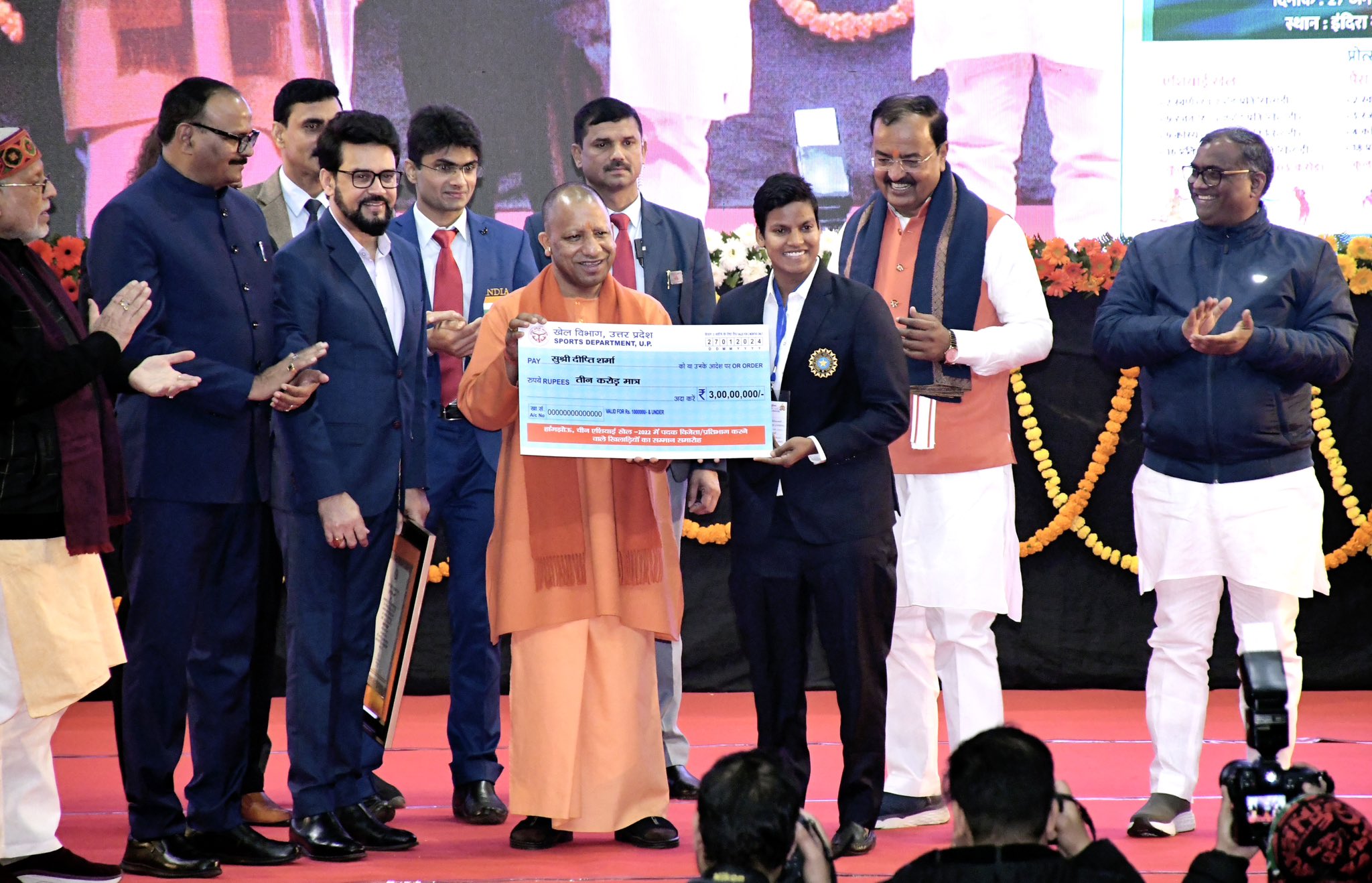
The victory triggered a wave of financial rewards, government announcements, job offers and housing grants from multiple fronts marking one of the largest collective reward packages ever seen in Indian women’s sport. The reaction was immediate. The Board of Control for Cricket in India (BCCI) declared a ₹51 crore cash reward as a one-time recognition for the triumphant contingent. Combined with ICC prize money and the rapid responses from various state governments, the total financial impact stretched well into massive figures a moment of celebration, but also an opportunity to examine what this means for women’s cricket going forward.

The BCCI’s announcement of ₹51 crore for the entire World Cup-winning group players, coaches and support staff was the headline figure. It was a symbolic acknowledgement of a historic moment, matching the scale of the achievement and ensuring that every member of the squad felt recognised. Alongside this, the ICC’s Women’s World Cup prize money was distributed to the team and the board, further boosting the players’ earnings from the tournament. While numbers varied in reports, the ICC’s share added significantly to the pool of rewards.
The response from state governments was fast and enthusiastic:
- Maharashtra offered some players individual rewards of up to ₹2.25 crore.
- Himachal Pradesh announced ₹1 crore for pacer Renuka Singh Thakur.
- Andhra Pradesh declared ₹2.5 crore, along with a government job and land, for its players.
- Other states followed with their own combinations of cash awards, government posts and residential plots.
These packages varied widely across regions. They reflected not only recognition but also political pride and local celebration states wanted to honour their own.
Why These Rewards Matter, for elite athletes, rewards are about much more than money or publicity. They serve several critical functions:
Instant Recognition and Visibility: Cash prizes are powerful public signals that women athletes’ achievements matter. For fans and young girls watching at home, such rewards make women’s cricket look like a career worth pursuing.
Providing Financial Security: Not every cricketer comes from a comfortable background. Cash awards help players support families, invest in homes, repay loans and secure their future. Job offers and land grants add a long-term security net that cricketing contracts alone do not always guarantee.
Expanding Role Models and Aspirations: A large, widely publicised reward increases visibility. It encourages parents to support daughters who want to pursue cricket. It strengthens grassroots participation a crucial need for women’s sport in India.
Closing Gaps, But Only Temporarily: One-off rewards are celebratory. They do not replace structural reforms such as:
- long-term contracts
- equal domestic prize money
- increased match fees
- stronger domestic systems
- more coaching and pathways
Commentators repeatedly caution that cheques and congratulatory ceremonies cannot substitute for sustained investment. India’s women cricketers have historically faced systemic inequalities. Victory bonuses are uplifting — but they don’t fix structural gaps.
Historical and International Context
India isn’t alone in showering athletes with rewards after big wins; it’s a global pattern. But countries with established women’s cricket structures go beyond celebrations, Australia has long-term domestic contracts and a fully professional system. England has tiered domestic professionalism and equal prize money in competitions like The Hundred.
In those nations, success is not just rewarded it is sustained. Their systems ensure stable salaries, long domestic seasons and predictable progression paths. For India, the 2025 victory is a window. The real test lies in whether this moment becomes a launchpad for deeper investment, not just a one-time celebration.
State Governments: Politics, Pride and Promises
State governments played one of the most active roles in rewarding the World Cup heroes. These announcements stem from:
Political Prestige: Sporting success is a matter of pride. Leaders know that honouring local athletes generates goodwill and builds emotional connect.
Regional Identity: States with homegrown players often offer bigger packages it is a way of celebrating local excellence and inspiring future talent from that region.
However, past experience shows a consistent challenge, announcements are easy, implementation is hard. Where infrastructure promises are made new academies, better training grounds the follow-up is often slow. Many athletes across sports have waited months or years for promised jobs or land allotments. Ensuring accountability is crucial. A Deputy Collector post or a residential plot is life-changing only if it materialises on paper, not just in press releases.
The BCCI’s Role: Gesture vs. Strategy
The BCCI’s ₹51 crore payout was widely celebrated. It was a powerful, symbolic gesture that placed women’s cricket firmly in the national spotlight. But observers also pointed out a consistent pattern: big rewards appear after big wins & structural reforms often take their own time. The BCCI has made genuine progress equal match fees being the most significant step. But several areas require long-term strategy:
Central Contracts Must Improve: Women’s retainers remain far behind the men’s system. Cross-format stars still depend heavily on the WPL or one-off rewards for financial stability.
Domestic Cricket Needs More Investment: India’s women play fewer domestic matches compared to top nations. Stronger competition, better prize money and professionalised domestic leagues are key for sustained success.
Grassroots Pathways Need Expansion: The next generation needs better coaching, more tournaments and upgraded facilities at the school and district levels.
One-Off Rewards Are Not a Substitute for Parity: Celebration should not overshadow structural inequity. Sustainable, predictable improvement must be the core principle going forward.
A cricketer’s future should be secured not by victory bonuses but by a stable system — just like in Australia and England.
The Broader Question: What Comes Next?
India’s 2025 World Cup victory is a monumental moment. The rewards, celebrations and national pride are all richly deserved. But the larger conversation and responsibility lies in what comes after.
- Will prize-money parity be followed by contract parity?
- Will domestic cricket become professionalized?
- Will infrastructure at state levels improve?
- Will job offers and land grants actually be delivered?
- Will young girls see not only inspiration but real opportunity?
These questions will define whether the 2025 win becomes a turning point or a nostalgic memory.
Read Articles Without Ads On Your IndiaSportsHub App. Download Now And Stay Updated
The flurry of rewards for India’s 2025 World Cup-winning women’s team is a landmark moment in Indian sport. It celebrates excellence, recognises sacrifice and elevates women’s cricket in public consciousness. But the deeper story is about what it reveals the progress made and the gaps still unaddressed.
India stands at a crucial crossroads. The victory provides momentum, attention and political will. If this energy is channelled into structural reform stronger domestic cricket, secure central contracts, equitable investment and reliable state support women’s cricket can move from symbolic recognition to sustainable parity.
Winning a World Cup is historic. Building a system that produces many more such victories is transformational.


