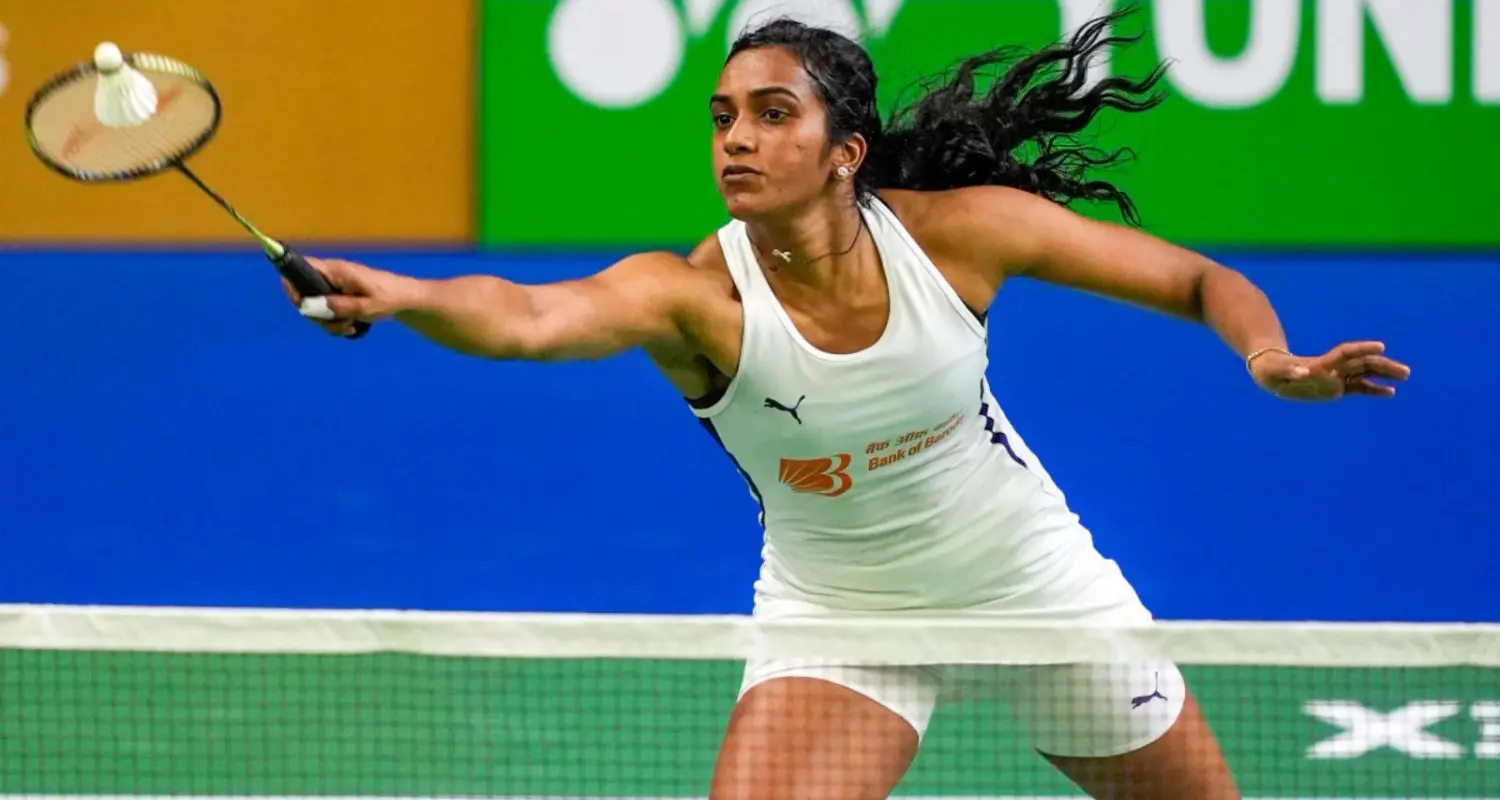
When Playing Sport Becomes a Luxury: The Urban Crisis India Can’t Ignore
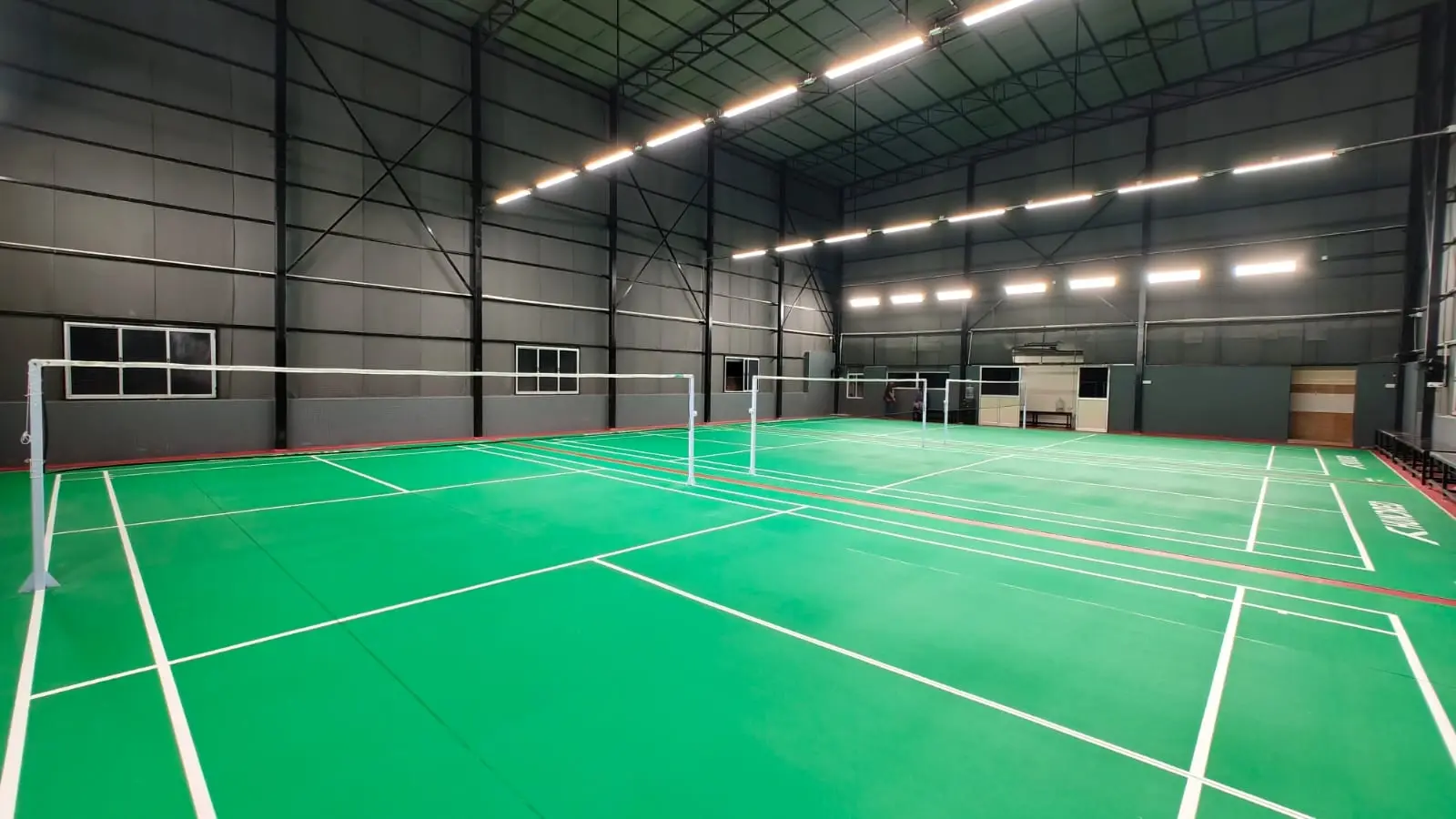
In a city like Mumbai, playing sport is quietly becoming a privilege rather than a right.
A casual game of football or cricket on a turf now costs around ₹200 per person per hour. Booking a badminton court can go up to ₹300–₹400, sometimes higher depending on location and timing. Emerging sports like padel. That’s easily ₹1,250 per hour or more. For a large section of India’s population, especially students and young athletes, these numbers are not just expensive they are exclusionary.
This is not just a Mumbai problem. In Delhi, badminton courts often cost ₹500–₹600 per hour, while in Hyderabad’s Hitech City, prices cross ₹600. Across urban India, sport is increasingly shifting into a pay-to-play model. And that is where the deeper problem begins. Traditionally, sports in India were built on open public grounds maidans, parks, school fields spaces where access was free or minimal. These were the breeding grounds for talent, where children played without financial barriers. Today, that ecosystem is collapsing.
Public grounds in cities like Mumbai are overcrowded, poorly maintained, or simply unavailable. The few accessible spaces are shared by hundreds, making meaningful training nearly impossible. At the same time, private infrastructure turfs, indoor courts, sports complexes has expanded rapidly. But this growth comes at a cost, quite literally.
Sport is no longer a public utility. It is a monetized service. As highlighted in the broader analysis, this represents a “financialization of sports infrastructure,” where participation is filtered through affordability rather than ability.
There is a valid argument that this is simply a demand-supply issue. Urban land is scarce. Cities are densely populated. Building and maintaining sports infrastructure especially indoor facilities is expensive. Naturally, prices go up. Padel courts, for instance, require specialized construction, glass enclosures, and imported materials. It is expected that such sports come at a premium.
But this explanation only addresses half the problem. The real issue is not just limited supply it is the absence of equitable supply. When every available patch of land is either sold to real estate developers or converted into premium facilities, access gets concentrated among those who can pay. The system doesn’t expand participation it filters it.
The most dangerous impact of this shift is not immediate it is long-term. Talent in sport does not emerge at elite academies. It begins in open spaces, in unstructured play, in environments where children can experiment without pressure or cost. When access to sport becomes expensive fewer children start playing even fewer sustain participation and only a small, financially privileged group continues.
By the time talent is identified, a vast majority has already been excluded. As the analysis puts it, “potential dies quietly before competition even begins.”
The issue is further aggravated by how existing infrastructure is treated.In Mumbai, an indoor badminton hall in Dadar West was reportedly demolished to make space for cultural events. Across cities, sports complexes are routinely used for concerts, exhibitions, and festivals.
From a revenue perspective, these decisions may make sense. From a sporting perspective, they are deeply damaging. Sports infrastructure is not interchangeable space. A badminton hall or athletics track cannot be replaced overnight. When such facilities are repurposed or removed, the loss is long-term and often irreversible.
India’s sporting ambitions have never been higher. There is talk of hosting the 2036 Olympics. There is increased investment in elite athletes. There is a growing ecosystem of high-performance centres. And yet, at the grassroots level, access is shrinking. This creates a paradox. A nation of 1.4 billion struggles to produce even 20 Olympic medals not because of lack of talent, but because the base of the pyramid is weak.
The equation is simple: More access → Larger participation → Higher competition → Better elite athletes
But when access is restricted, the entire pipeline collapses. We keep searching for medals at the finish line, while neglecting the starting track. This is not about blaming private operators or individual pricing. It is about urban planning. Cities like Mumbai have some of the lowest per capita open spaces in the world. Instead of prioritising sports grounds and public infrastructure, land is increasingly allocated to real estate and transport projects.
The result is overcrowded public grounds, expensive private alternatives & limited access for the majority. This is a policy failure as much as it is a market outcome.
If India is serious about becoming a sporting nation, the approach to infrastructure must change.
Some clear steps include:
1. Protect Public Grounds
Existing open spaces must be preserved and not repurposed for non-sporting use.
2. Increase Accessible Infrastructure
Cities need more community sports complexes with subsidised access.
3. Dual-Use Facilities
School and college grounds should be opened to the public during non-academic hours.
4. Balance Commercial and Public Models
Private facilities can exist but not at the cost of eliminating public access.
Sport cannot be treated like a premium subscription service. When a child has to think twice before stepping onto a field because of cost, the system has already failed. The issue is not just about affordability it is about opportunity. If India wants to produce world-class athletes, it must first ensure that every child has the chance to play. Without that, the search for excellence will remain limited to those who can afford it.
And a country that benches its talent at the grassroots level will always struggle on the global stage.
Inspired by X post of public_pulseIN
Comments (0)
to post comments, replies, and votes.
Loading comments…
.webp)