Thailand Open 2026: Can India Break Through as Global Powerhouses Chase History in Bangkok?
As the Thailand Open 2026 gets underway in Bangkok, the broader narrative may revolve around global powerhouses chasing milestones but from an Indian perspective, the focus is firmly on consistency, breakthroughs, and reclaiming relevance across disciplines.
Historically, nations like China, Indonesia, and Korea have defined dominance in badminton. They remain the only three countries to have produced champions in all five disciplines, with China alone achieving the rare feat of a complete sweep twice, in 1999 and 2008. In contrast, India’s rise has been more fragmented, driven by individual excellence rather than systemic depth.
That makes tournaments like this crucial not just for results, but for measuring progress.
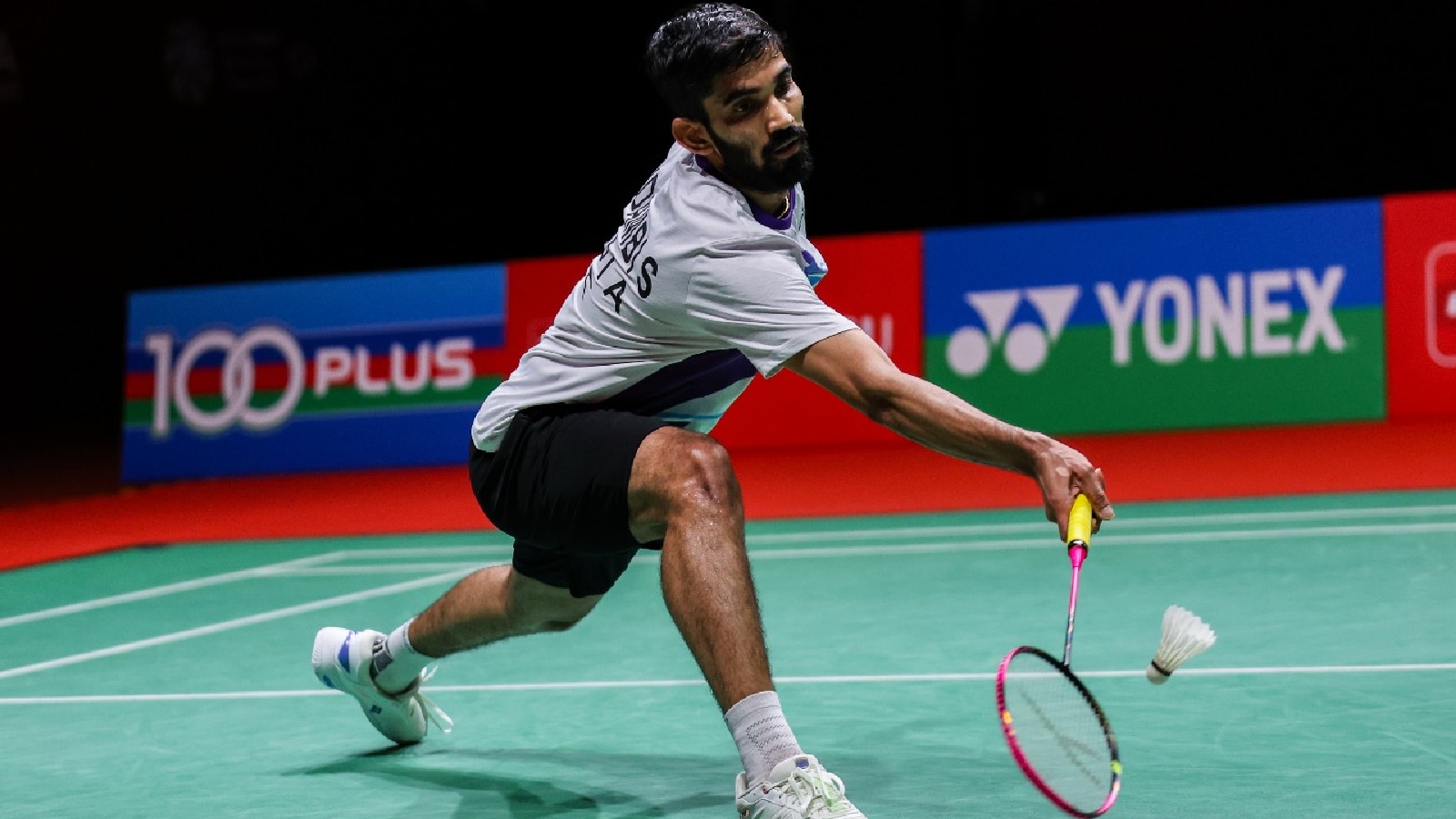
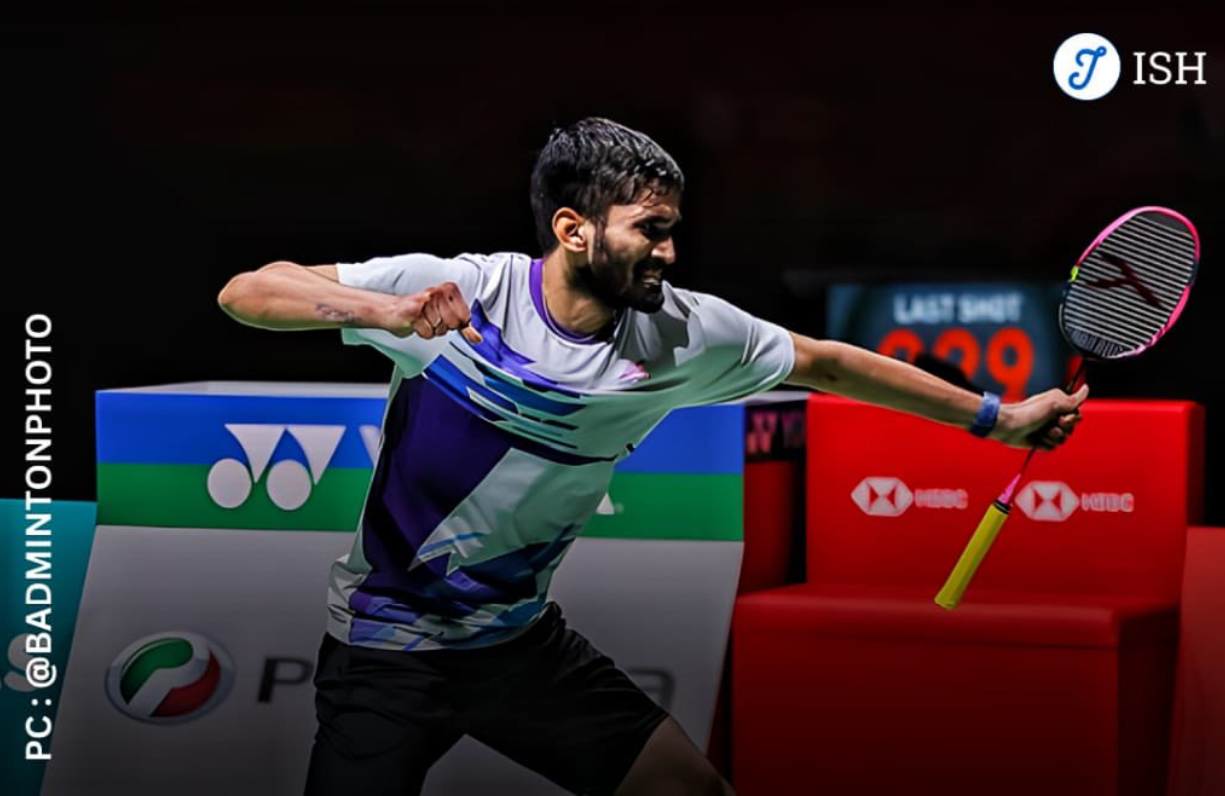
India’s men’s singles campaign reflects a transition phase. The presence of veterans alongside younger players highlights both continuity and uncertainty. Kidambi Srikanth remains one of the most experienced names in the draw, but his trajectory tells a larger story. It has now been 13 years since his Thailand Open title in 2013 the longest gap among returning champions in the field. While he continues to compete at the highest level, consistency has been elusive.
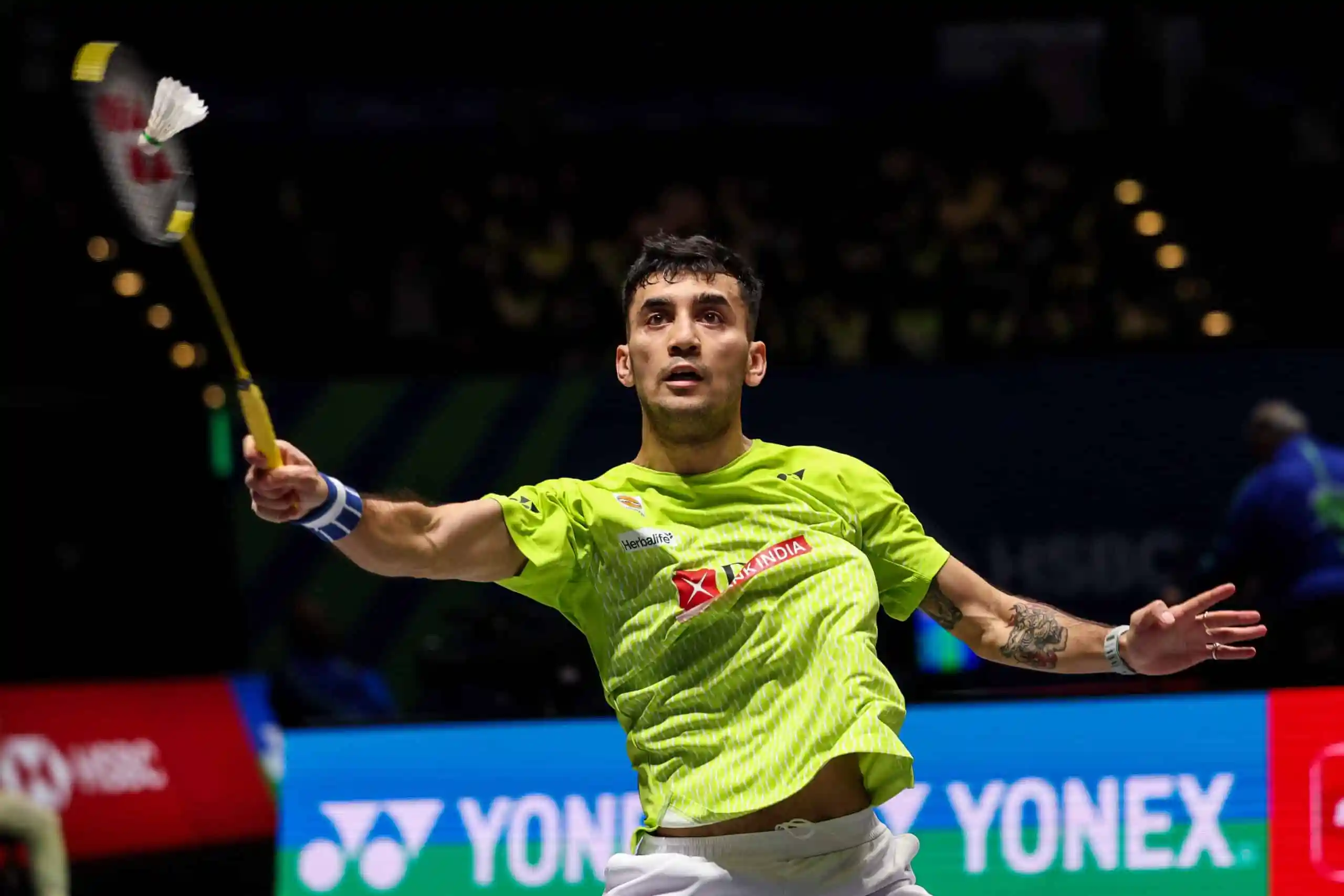
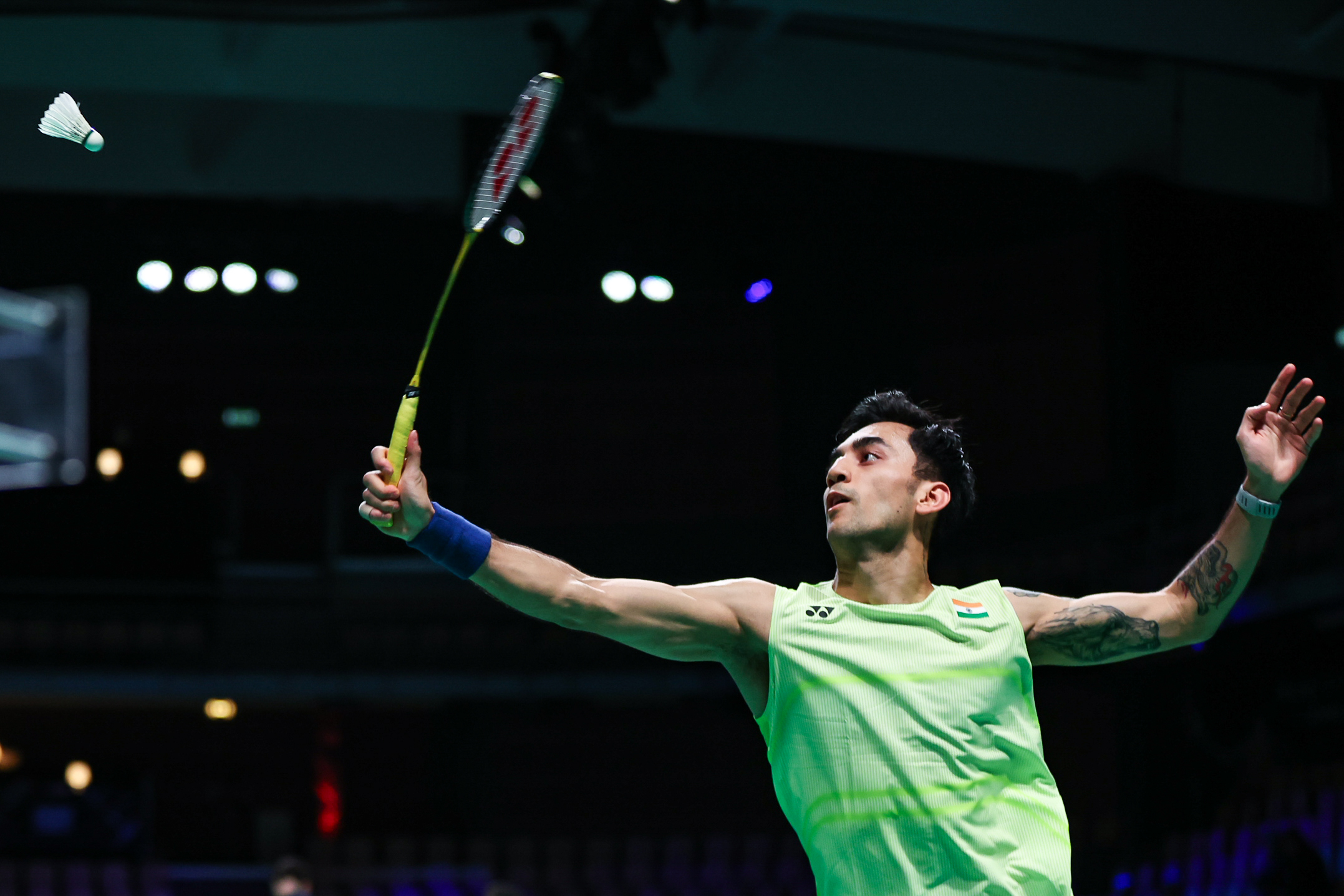
For Indian badminton, Srikanth’s campaign is less about title contention and more about extending competitiveness in high-intensity matches. His opening clash against Loh Kean Yew is emblematic of this phase winnable in patches, but demanding sustained execution. Alongside him, Lakshya Sen represents India’s best hope in the discipline. While China eyes ending a 15-year drought in men’s singles titles with top seed Shi Yu Qi leading their charge India’s focus will be on building consistency deep into tournaments.
Youngsters like Ayush Shetty and Tharun Mannepalli add depth, but the gap between potential and podium finishes remains a key challenge.
Women’s Singles: Chasing Consistency at the Top
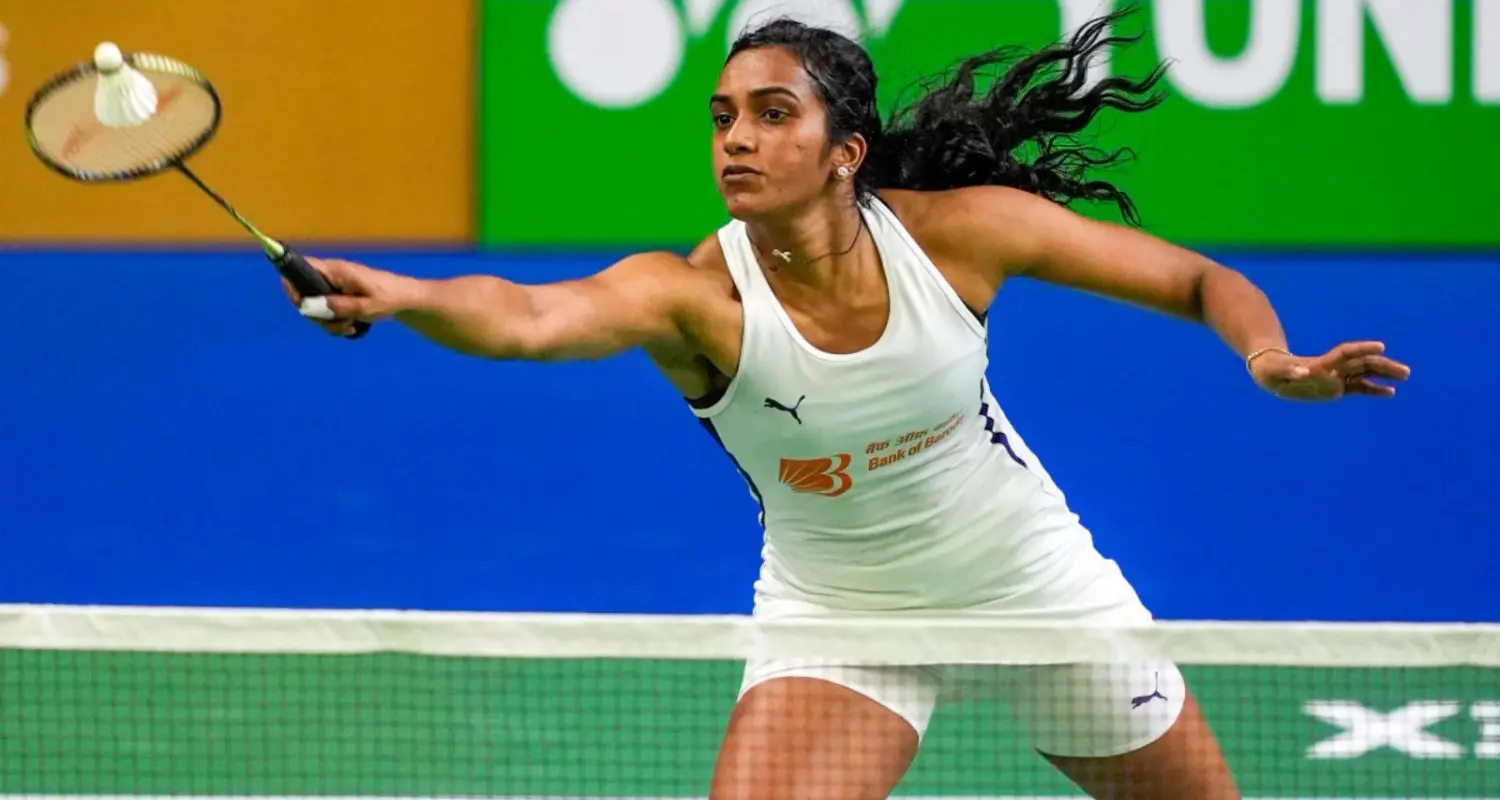
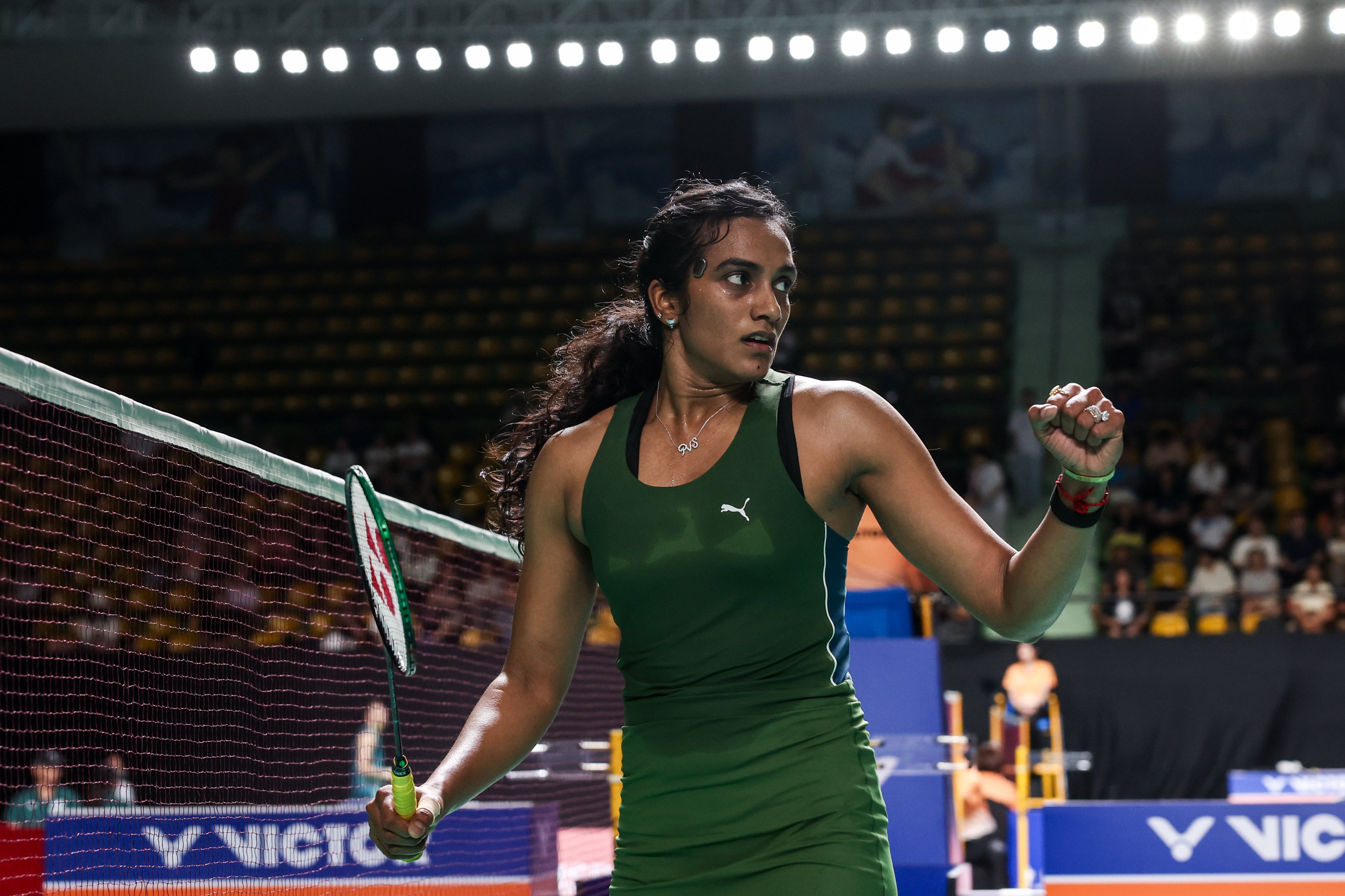
India’s women’s singles campaign is led by PV Sindhu, whose presence continues to anchor expectations. However, the global landscape is shifting.
China’s Chen Yu Fei is aiming to become the first Chinese player in 19 years to successfully defend the Thailand Open title, underlining the level of consistency required at the elite level. China, in fact, has claimed at least one title in each of the last four editions of the tournament.
https://www.indiasportshub.com/articles/lakshya-sindhu-lead-india-at-thailand-open-2026
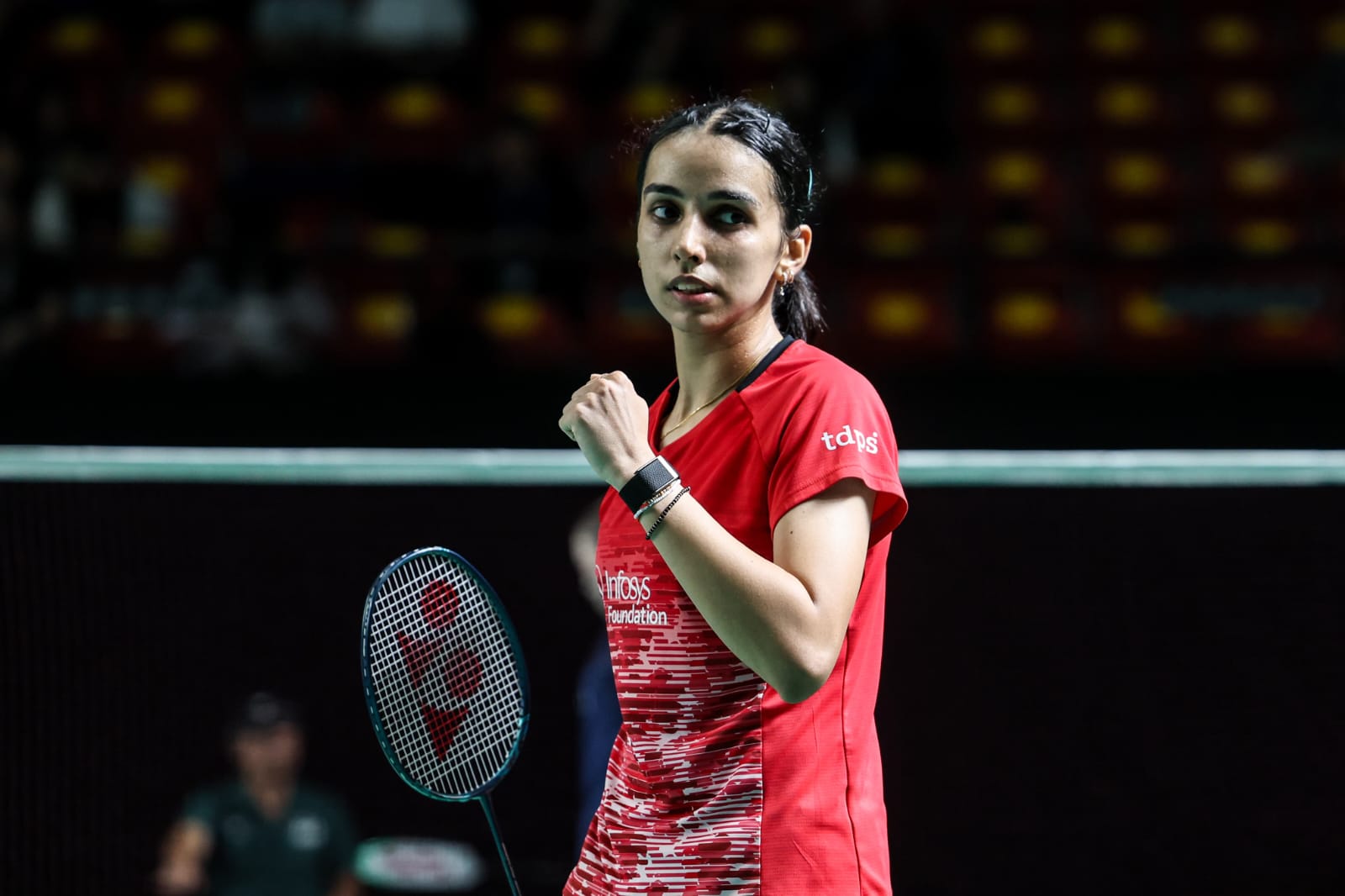
For India, the gap lies not in isolated wins but in sustained dominance. While Sindhu remains capable of deep runs, the supporting cast featuring players like Malvika Bansod, Anmol Kharb, and Unnati Hooda are still in developmental phases.
The absence of multiple consistent contenders in latter stages continues to limit India’s overall impact in the discipline.
Men’s Doubles: India’s Strongest Title Hope
If there is one discipline where India enters with genuine title credentials, it is men’s doubles.
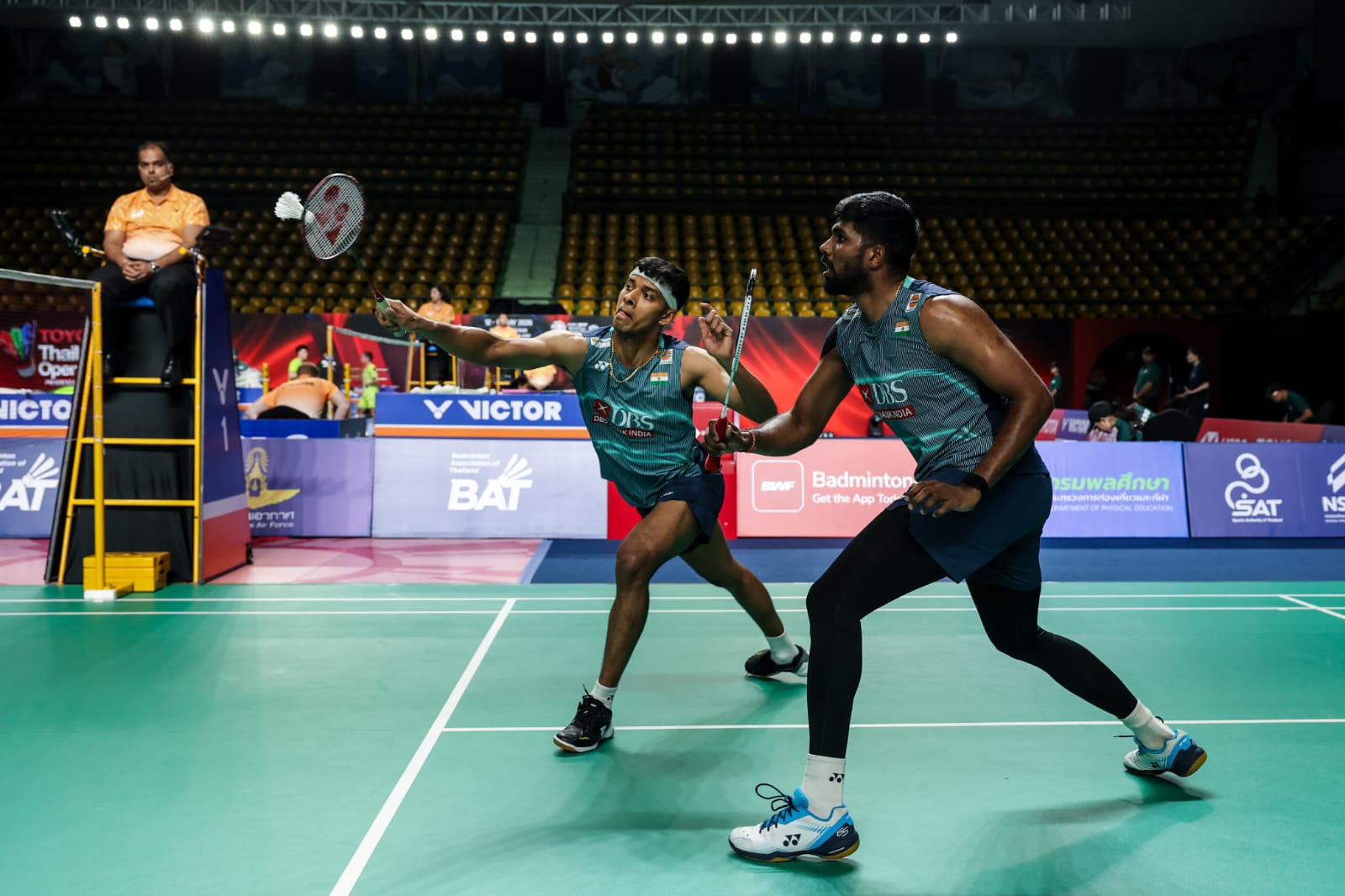
Satwiksairaj Rankireddy and Chirag Shetty stand out as the only top seeds in the tournament with previous Thailand Open titles (2019, 2024). Their combination of power, speed, and tactical maturity places them among the favourites. This is particularly significant in a field where traditional powerhouse Indonesia despite being the most successful nation in men’s doubles with 12 titles has not won the event since 2017. Even their returning pair of Leo Rolly Carnando and Daniel Marthin are still rebuilding rhythm after a two-year gap.
For Satwik and Chirag, this represents a clear window of opportunity not just to win, but to assert dominance in a discipline where India now has a legitimate global presence.
In mixed doubles, India continues to search for a breakthrough combination capable of consistently challenging top-tier pairs. While Indian pairs are competitive, the lack of sustained success at Super 500 and above events highlights a structural gap. Compared to nations like China and Korea who have historically produced champions across disciplines India’s depth in doubles remains a work in progress.
Chinese Taipei, notably, are the only nation with seeded entries across all five categories this year, reflecting the kind of balanced development India is still striving toward.
The Thailand Open 2026 is layered with global storylines. A successful title defence by Kunlavut Vitidsarn could make him the first home player to win back-to-back editions. China is chasing historical markers across categories, while Indonesia looks to reclaim lost ground in doubles. For India, however, the narrative is more grounded.
This is about converting potential into results, building depth across disciplines, and ensuring that the country is not reliant on isolated performers. The presence of contenders in multiple categories is encouraging but the next step is consistency in reaching semifinals and finals. With players like Satwik-Chirag leading the charge, Lakshya Sen aiming for stability, and a new generation gaining exposure, India has the pieces in place.
What remains is execution.
And tournaments like the Thailand Open are where that gap must begin to close.
Comments (0)
to post comments, replies, and votes.
Loading comments…
.webp)