Paul Albaladejo Takes Charge of Indian Rugby Team
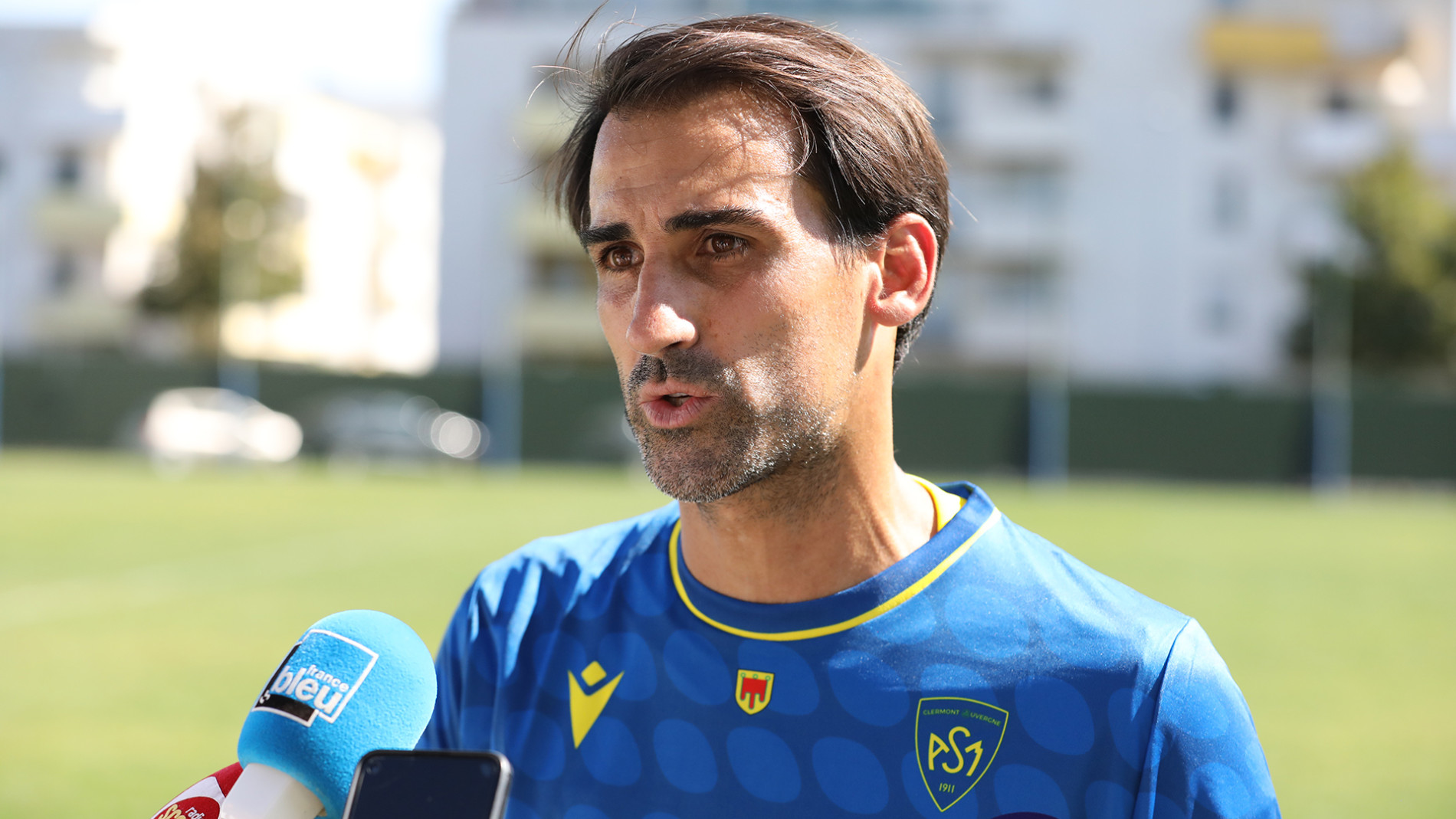
Indian rugby has entered a decisive phase with the appointment of former France Sevens international Paul Albaladejo as the head coach of the Indian men’s team.
The move comes at a time when the sport in India is transitioning from a development-focused structure to a more performance-driven ecosystem, with key international targets lined up over the next two years.
Albaladejo’s arrival is not just a routine coaching change. It represents a structural shift in how Indian rugby is approaching elite competition, player development, and long-term planning. Albaladejo brings with him experience from the highest level of Sevens rugby. Having represented France during a period when the team evolved into a consistent performer on the World Rugby Sevens Series, he understands both the tactical and physical demands of the modern game.
As a fly-half, his role was built around control, distribution, and decision-making under pressure. These are precisely the areas where India has historically struggled, especially against stronger Asian teams such as Japan, South Korea, and Hong Kong.
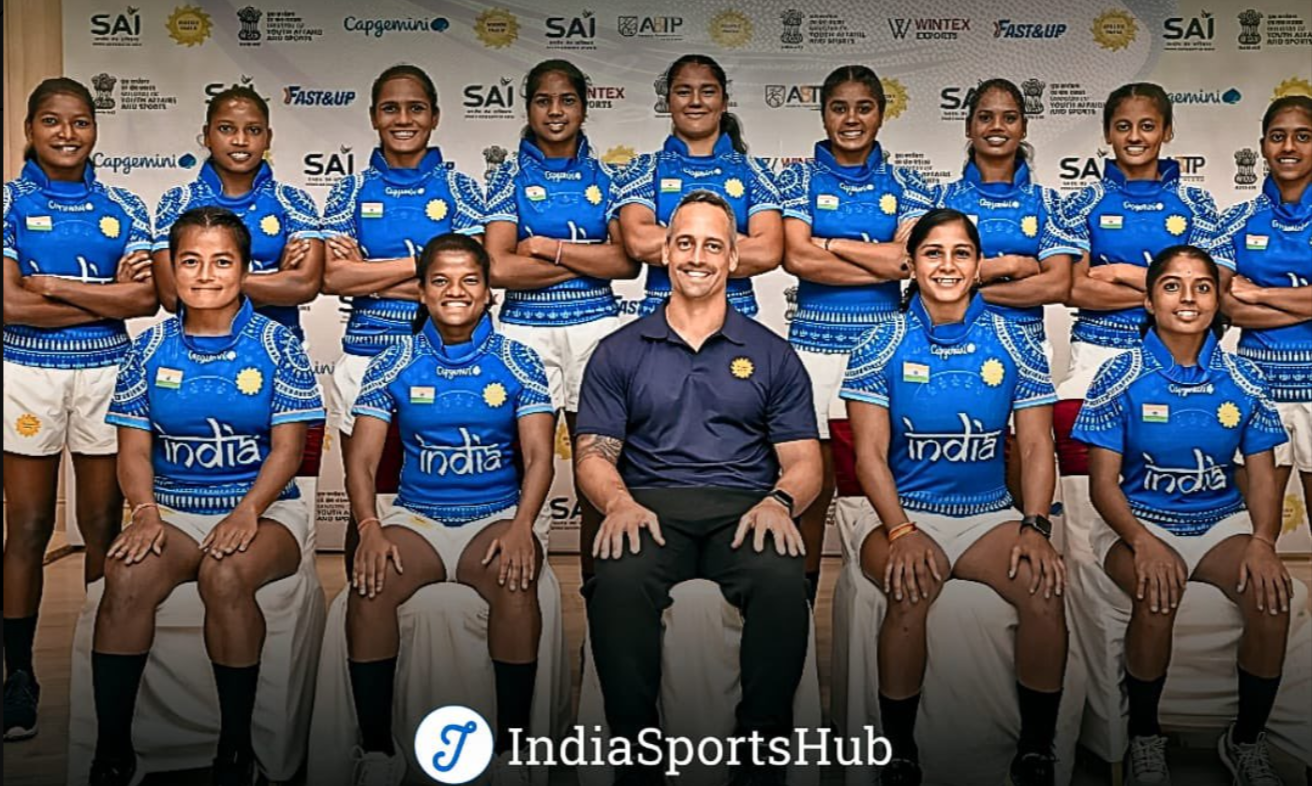
His coaching philosophy is expected to focus on structure, game management, and efficiency a shift from the more instinctive and high-tempo approach that defined earlier phases of India’s development. India’s recent coaching cycle saw the influence of Ben Gollings, whose approach leaned toward fast-paced, attacking rugby. While that helped unlock attacking potential, it also exposed gaps in defensive organisation and match control.
Albaladejo is expected to introduce a more balanced system. His emphasis on structured defence, controlled restarts, and tactical kicking could help India manage games better, especially in tight contests.
This hybrid approach combining attacking freedom with defensive discipline is essential if India aims to compete consistently at higher levels.
The timing of this appointment is significant. Indian rugby is heading into one of its most demanding competitive periods, with the 2026 Asian Games forming the central objective. The calendar includes regional competitions like the CASA Sevens, Asia Rugby Sevens Trophy, and exposure in higher-tier tournaments. Each of these events serves as preparation for the Asian Games, where performance will directly impact funding, visibility, and future opportunities.
The roadmap also extends beyond 2026, with qualification pathways for the 2028 Olympics already in focus.
For Albaladejo, the challenge is not just to deliver short-term results but to build a system that sustains performance across cycles.
Domestic Structure Supporting Growth
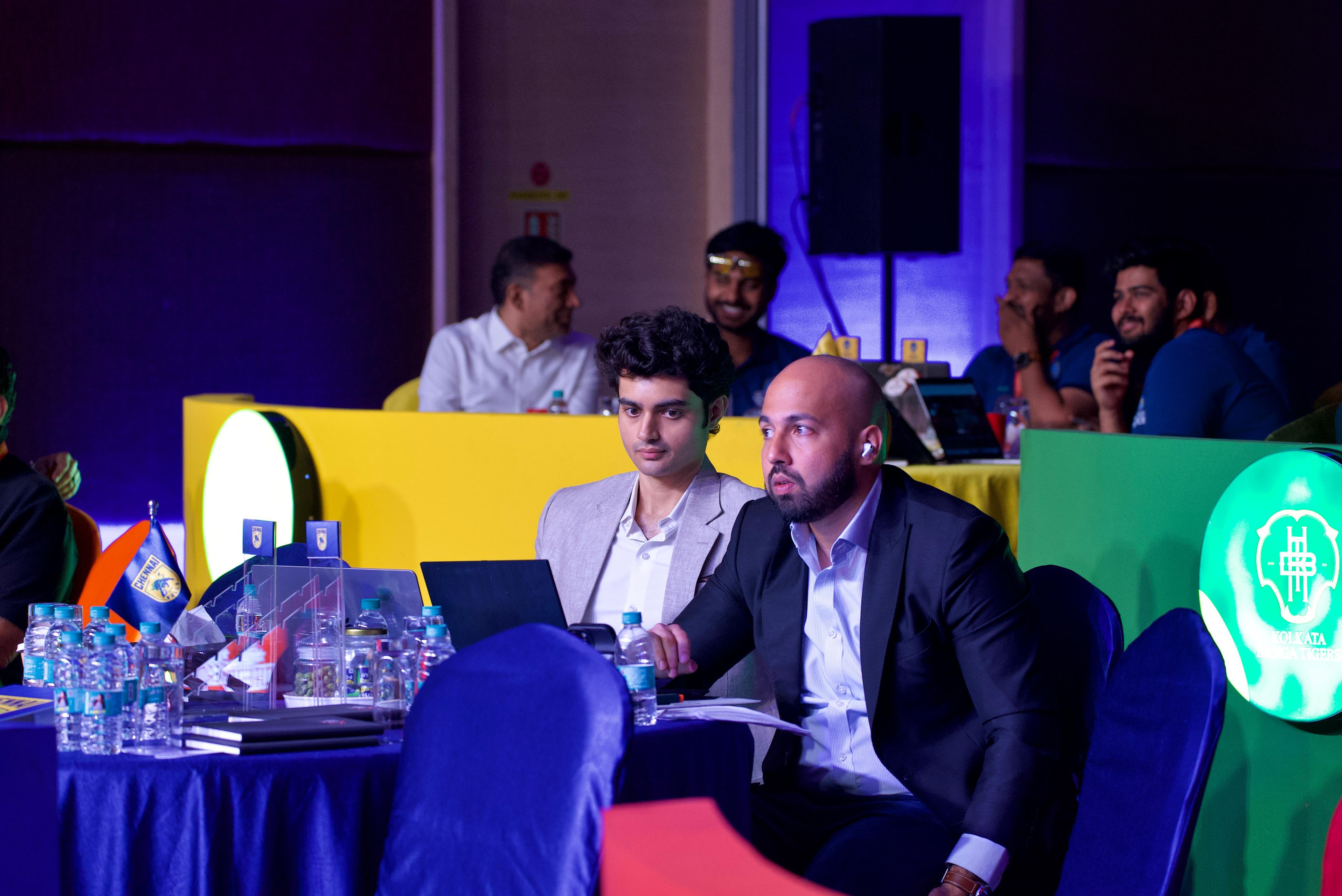
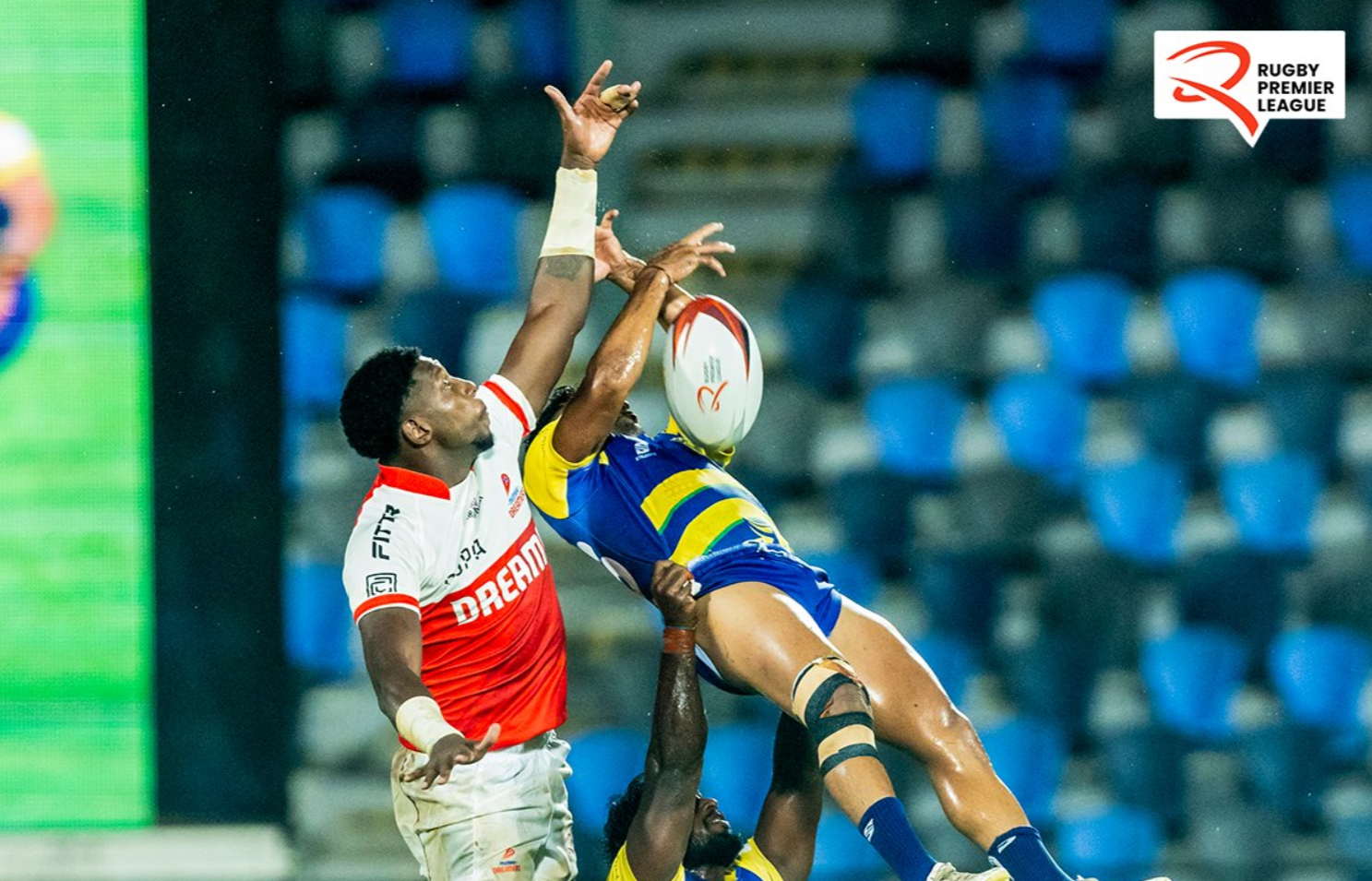
Parallel to the national setup, the domestic rugby structure has undergone significant changes. The introduction and expansion of the Rugby Premier League (RPL) has created a professional environment where Indian players train alongside international athletes. This exposure is critical. It bridges the gap between domestic competition and international standards, allowing players to adapt to higher intensity and tactical complexity.
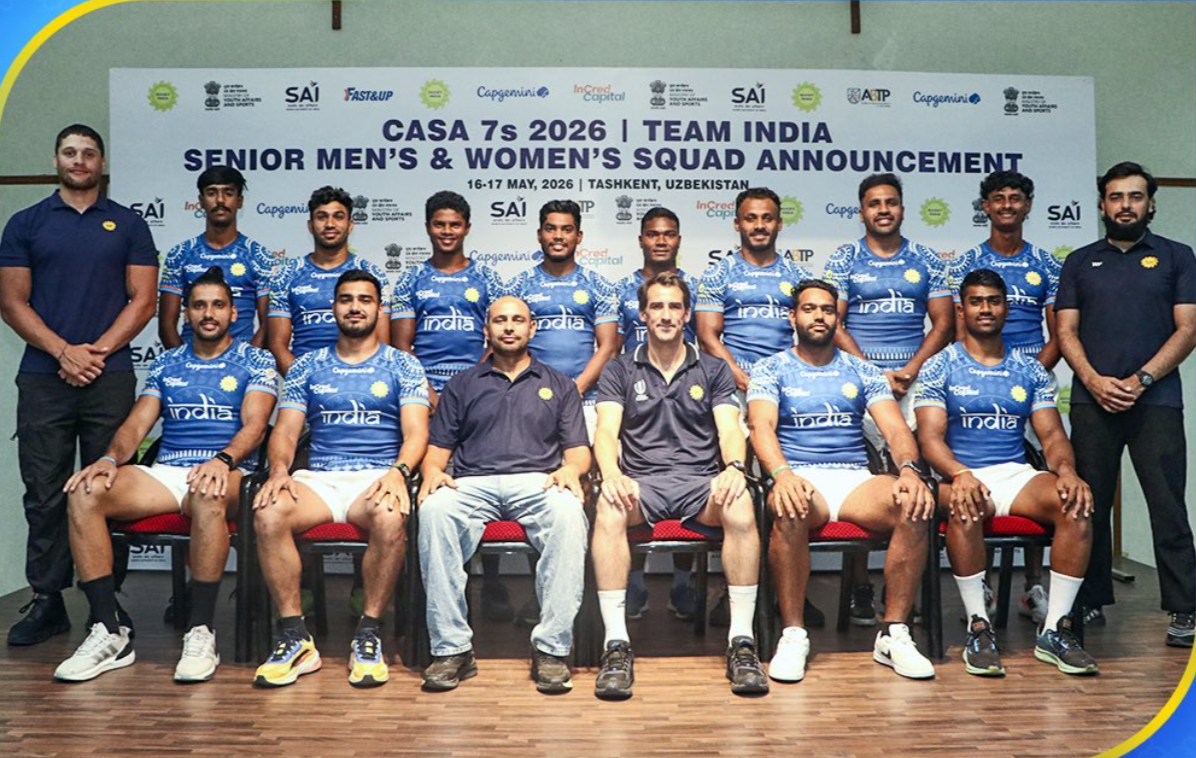
https://www.indiasportshub.com/articles/indian-men-s-rugby-team-set-for-casa-7s
Additionally, national tournaments and selection camps are now being integrated with performance analytics, including GPS tracking and video analysis. This data-driven approach is expected to improve selection accuracy and player monitoring.
One of the key observations in recent years has been the concentration of talent from specific regions, particularly Haryana and Odisha. While this has ensured a strong core, it also highlights the need to broaden the talent base. The current selection model focuses on a combination of performance metrics, fitness standards, and tactical suitability. Camps are designed to filter a larger group of players into a final squad capable of competing at the highest level.
Albaladejo’s role will be crucial in identifying players who fit his system, not just those with raw athletic ability. India has made steady progress in the Asia Rugby Sevens Trophy, finishing as runners-up in 2025. This marked a step forward but also underlined the gap between India and the continent’s top-tier teams. Bridging this gap requires consistency. It is not just about winning individual matches but maintaining performance across tournaments.
The new coaching setup, combined with improved domestic structures, aims to address this challenge. Despite the positive developments, there are clear challenges. Transitioning to a new coaching philosophy takes time, especially when players have been conditioned to a different style. There is also the issue of depth. High-level tournaments require rotation and squad resilience, something India is still developing.
Additionally, the integration of domestic and international systems needs to be seamless. Any disconnect could impact performance at crucial stages.
The appointment of Paul Albaladejo marks the beginning of a new phase for Indian rugby. It aligns with a broader vision to elevate the sport’s competitive standards and establish a clear pathway to global events. The success of this phase will depend on execution how effectively the team adapts to new systems, how well players respond to increased demands, and how consistently results are delivered.
With a structured roadmap, a growing professional ecosystem, and a coach with international experience, Indian rugby has the framework in place.
The next step is performance.
Comments (0)
to post comments, replies, and votes.
Loading comments…