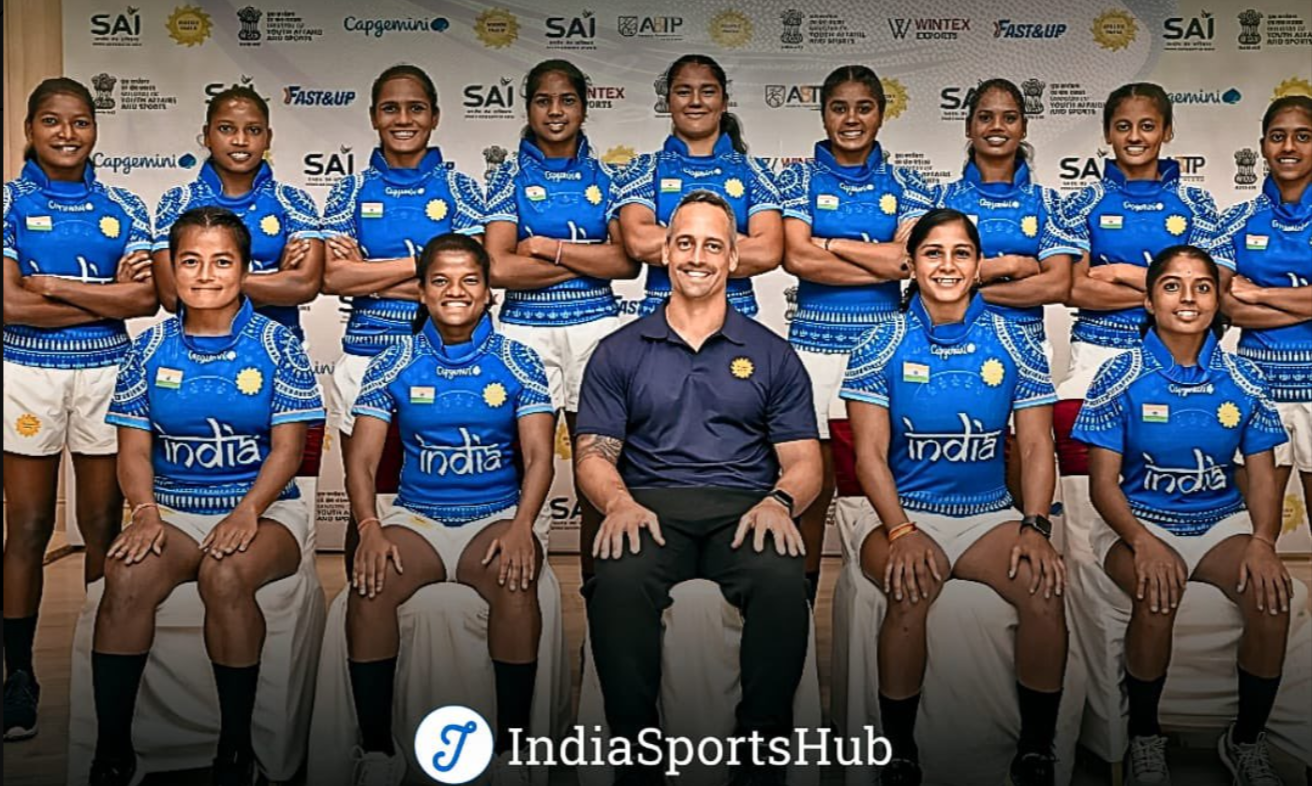
India name women’s squad for CASA 7s 2026
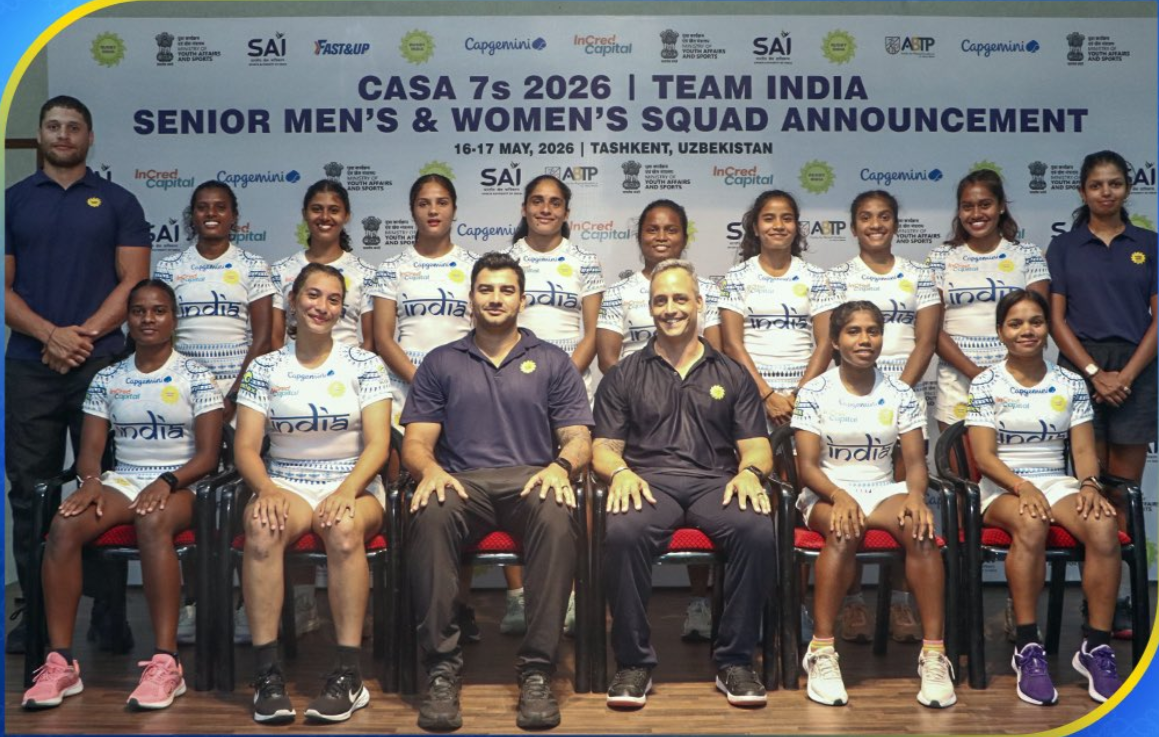
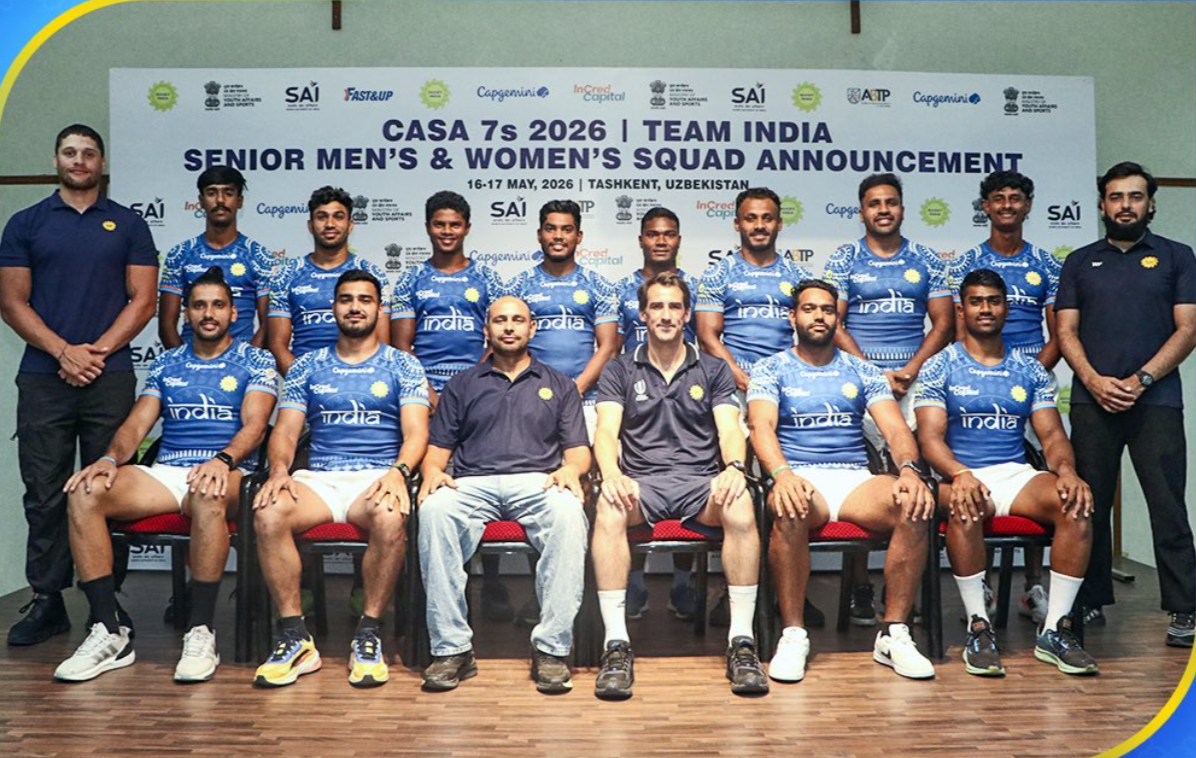
India has announced its senior women’s rugby squad for the inaugural CASA 7s 2026, scheduled to be held in Tashkent, Uzbekistan, on May 16–17.
The tournament marks an important step in expanding competitive opportunities for women’s rugby in the Central and South Asian region, with India among the six participating nations. This announcement comes as part of a broader push to strengthen regional competition structures under the CASA Rugby Alliance, which has been established to bridge the gap between domestic and continental rugby pathways.
The CASA Rugby Alliance, supported by Asia Rugby and World Rugby, aims to provide consistent competitive exposure to emerging rugby nations. For women’s rugby, this tournament holds added importance, as opportunities at the international level have traditionally been limited compared to the men’s circuit. The inaugural CASA 7s will feature six women’s teams India, Uzbekistan, Sri Lanka, Kazakhstan, Kyrgyzstan, and Mongolia. The format is expected to follow a standard sevens structure, with teams playing multiple short-format matches across two days.
For India, participation is not just about results but also about building a sustainable pipeline of players who can transition into higher-level competitions such as the Asian Games and World Rugby Sevens events.
Balanced Squad with Leadership Core
India’s women’s squad reflects a mix of experienced players and emerging talent, with Parbati Hansdah named captain and Chanel Crizzle appointed vice-captain. The leadership group is expected to play a key role in guiding a relatively young squad through the demands of a fast-paced tournament.
The team has been assembled with an emphasis on versatility, fitness, and adaptability all crucial traits in the sevens format, where matches are short and require quick decision-making. Players like Arati Murmu and Rima Oraon bring experience and physical presence, while younger names such as Tanushree Bhosale and Anshika offer pace and agility. The squad also includes athletes like Muskan Piploda and Lavanya Adusumalli, who have shown consistency at the domestic level.
The team will be led by head coach Paul Delport, who brings international experience and a structured approach to the Indian setup. With limited time before the tournament, the focus is expected to be on refining core skills breakdown efficiency, defensive alignment, and quick transitions from defence to attack.
Given the nature of sevens rugby, conditioning and recovery will be key factors. The coaching staff will likely prioritise rotation strategies to maintain intensity across multiple matches.
India will face a competitive field in Tashkent. Sri Lanka has traditionally been a strong side in the region, while Kazakhstan and Uzbekistan bring physicality and structured play. Mongolia and Kyrgyzstan, though relatively newer to the international circuit, are improving steadily and cannot be overlooked. The key challenge for India will be maintaining consistency across matches. In sevens rugby, small lapses can quickly translate into points for the opposition. Defensive organisation and discipline at the breakdown will be critical areas.
Strategic Importance for Indian Rugby
The CASA 7s represents more than just a tournament it is part of a larger strategy to create a structured pathway for rugby development in Asia. For Indian women’s rugby, this platform provides regular international exposure, which has been a limiting factor in the past. From a long-term perspective, consistent participation in such tournaments can help improve rankings, build experience, and prepare players for higher-level competitions. It also offers an opportunity to test combinations and identify key performers for future campaigns.
The inclusion of women’s teams in the inaugural edition underlines the growing emphasis on gender parity in the sport. For India, this is an opportunity to establish itself as a competitive force in the region.
As the team prepares to travel to Tashkent, the focus will be on execution and adaptability. The short tournament format leaves little room for error, and teams that can quickly adjust to match situations are likely to succeed. India’s squad has the potential to compete strongly, provided they can maintain discipline and convert scoring opportunities efficiently. The leadership group, combined with a balanced mix of players, will be central to their campaign.
The CASA 7s is expected to become a regular feature in the rugby calendar, and a strong showing here could set the tone for India’s future in regional competitions.
India Women’s Squad – CASA 7s 2026
Parbati Hansdah (Captain), Chanel Crizzle (Vice-Captain), Arati Murmu, Athira K P, Lavanya Adusumalli, Mahak, Muskan Piploda, Rima Oraon, Anshika, Suman Oraon, Sweety Kumari, Tanushree Bhosale.
Comments (0)
to post comments, replies, and votes.
Loading comments…