Indian men’s rugby team set for CASA 7s 2026

India has announced its senior men’s rugby squad for the inaugural CASA 7s 2026, set to be held in Tashkent, Uzbekistan, on May 16–17.
The tournament marks a significant step in the development of rugby across Central and South Asia, with India among the six participating men’s teams. The squad, featuring a mix of experienced campaigners and emerging players, reflects a focused approach as India prepares for a new competitive platform designed to strengthen regional rugby structures.
The CASA Rugby Alliance, backed by Asia Rugby and World Rugby, brings together 11 nations Afghanistan, Bangladesh, India, Iran, Kazakhstan, Kyrgyzstan, Mongolia, Nepal, Pakistan, Sri Lanka, and Uzbekistan. The objective is clear: create more frequent, structured competition within the region and build a pathway towards larger international events such as the Asian Games, Sevens Series, and ultimately the Rugby World Cup.
For India, participation in this inaugural edition is not just about results but also about integrating into a system that prioritises continuity, exposure, and development.
India’s Squad: Blend of Experience and Youth
India’s squad for the CASA 7s reflects a balanced composition, led by captain Shivam Shukla and vice-captain Mohit Khatri. The team includes:
Shivam Shukla (Captain), Mohit Khatri (Vice-Captain), Hitesh Dagar, David Munda, Devendra Padir, Vallabh Patil, Ganesh Majhi, Jugal Majhi, Amritpal Singh, Rajan Rawat, Akash Balmiki, Sumit Kumar Roy
The team will be coached by Paul Albaladejo, whose experience will be crucial in navigating a fast-paced sevens format that demands both tactical discipline and physical intensity. The inclusion of players like Ganesh Majhi and Vallabh Patil adds depth to the squad, while younger names such as Sumit Kumar Roy and Rajan Rawat represent the next generation of Indian rugby.
Tournament Structure and Competition
The CASA 7s will feature six men’s teams India, Uzbekistan, Sri Lanka, Mongolia, Kyrgyzstan, and Pakistan. Alongside the men’s competition, a parallel women’s tournament will also be held, highlighting the inclusive approach of the alliance.
The two-day tournament will follow the standard sevens format, with short, high-intensity matches requiring teams to adapt quickly and maintain consistency across multiple games. India will face a mix of familiar and emerging opponents. Sri Lanka remains a strong competitor within the region, while hosts Uzbekistan will look to capitalise on home advantage. Pakistan and Kazakhstan also bring physicality and structure, making the competition competitive across the board.
The CASA 7s comes at an important time for Indian rugby. While the sport continues to grow domestically, consistent international exposure has remained a challenge. This new sub-regional structure addresses that gap by offering more regular competition without the logistical and financial strain of long-distance tours.
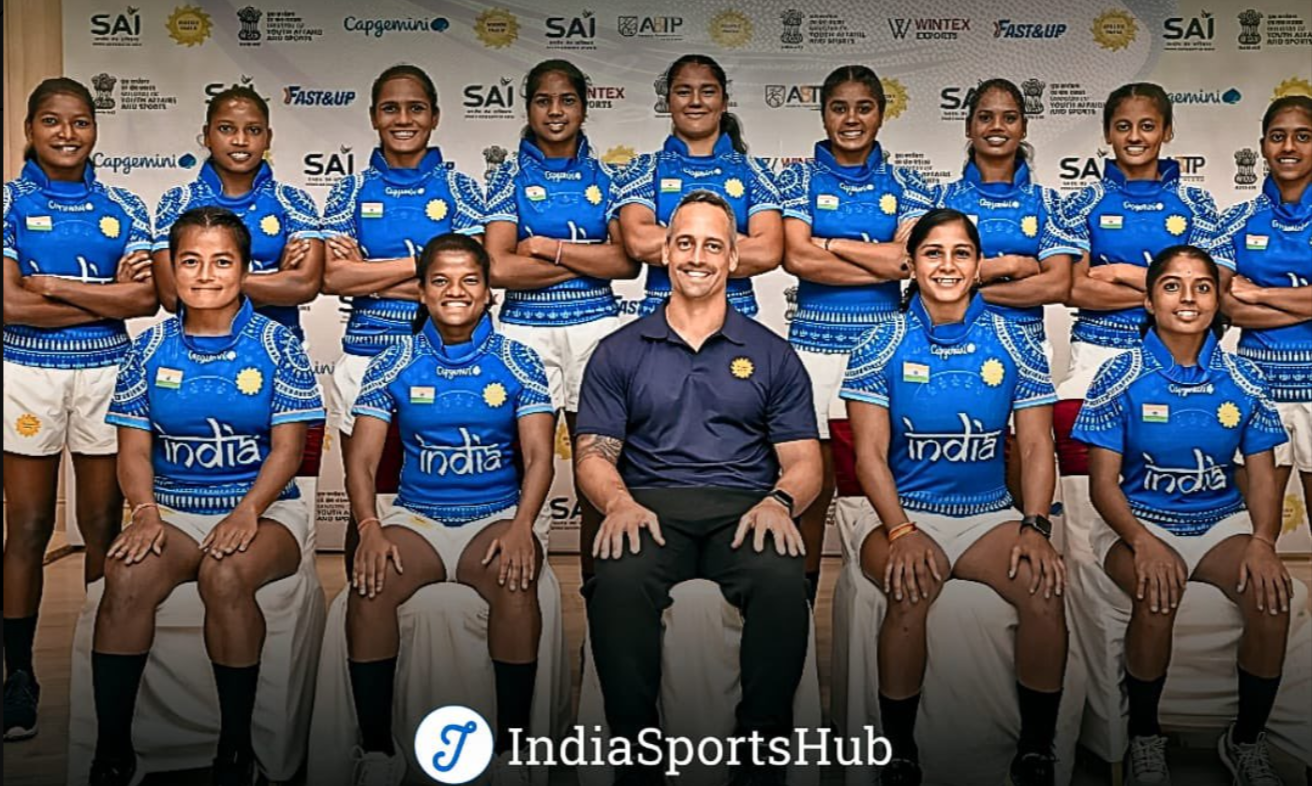
https://www.indiasportshub.com/articles/india-name-women-s-squad-for-casa-7s-2026
From a performance standpoint, the tournament will serve as a benchmark for India’s current standing in the region. It also provides an opportunity to test combinations, refine game strategies, and assess player readiness ahead of larger continental events.
For players, this is a chance to build international experience in a competitive environment, which is essential for long-term development.
Head coach Paul Albaladejo is expected to focus on core sevens principles speed in transition, efficient breakdown work, and defensive alignment. Given the short turnaround between matches, squad rotation and fitness levels will play a crucial role. India’s approach is likely to emphasise structured attacking patterns combined with disciplined defence. The ability to convert possession into points will be key in tightly contested matches.
The CASA 7s is positioned to become a recurring event in the regional calendar. Its long-term success will depend on sustained participation, competitive balance, and the ability to feed into higher-level competitions. For India, this tournament represents both an opportunity and a test. A strong performance could set the tone for future campaigns, while also reinforcing the country’s position within the evolving Asian rugby ecosystem.
As the team heads to Tashkent, the focus will be on execution, adaptability, and making a strong statement in this new chapter of regional rugby.
Comments (0)
to post comments, replies, and votes.
Loading comments…