India Women’s Hockey Team to Tour Australia Ahead of Nations Cup 2026
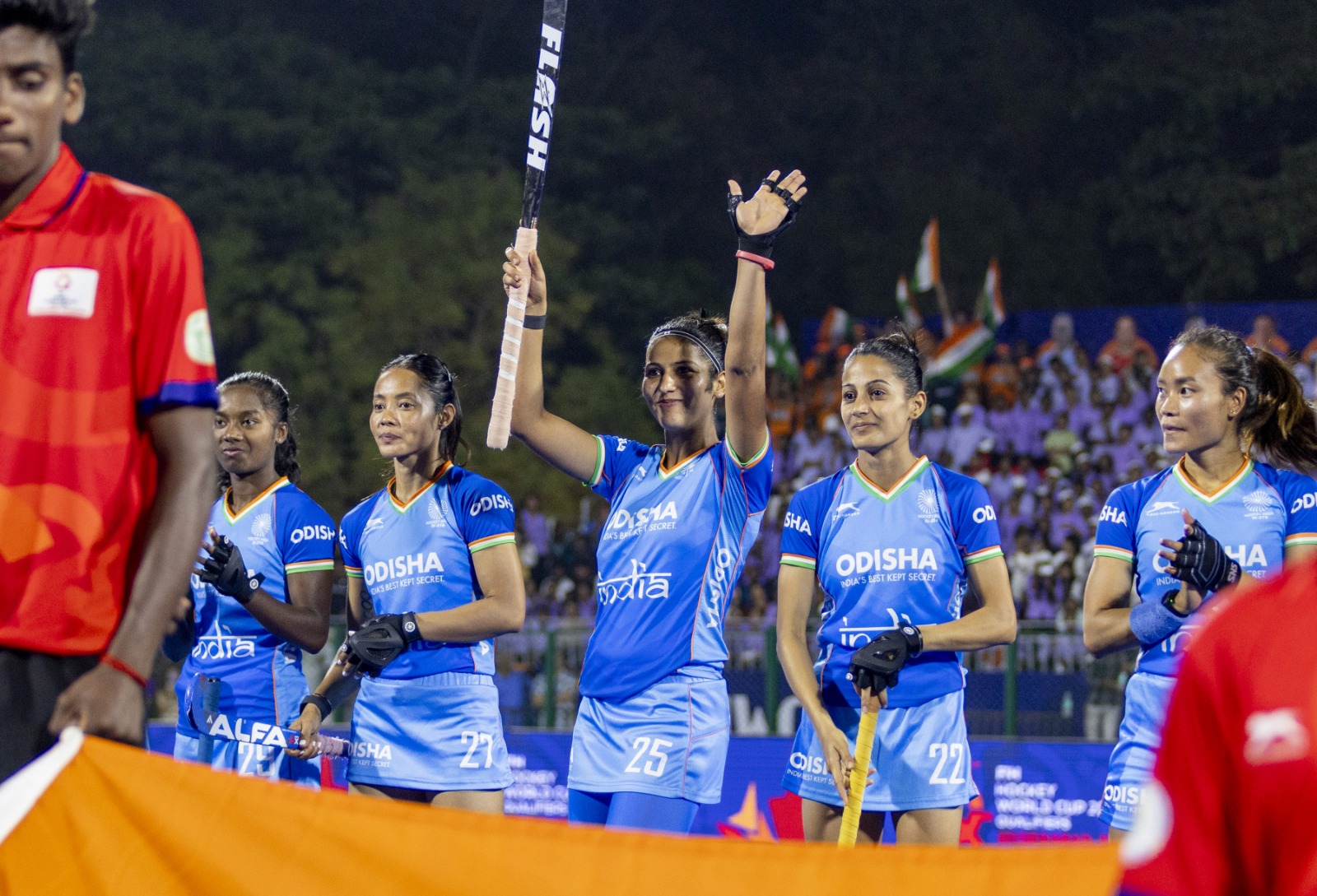
The Indian women’s hockey team is set to embark on a crucial preparatory tour to Australia as it builds towards the FIH Hockey Women's Nations Cup 2026 in Auckland.
Announced by Hockey India, the tour will run from May 21 to June 3, with four matches scheduled against Australia in Perth between May 26 and 30. This phase of preparation is strategically positioned within India’s international calendar, offering the team both competitive exposure and an opportunity to fine-tune key aspects of its game ahead of a high-stakes tournament.
India will play four matches at the Perth Hockey Stadium, with fixtures spread across five days. The first two matches are scheduled for May 26 and 27, followed by games on May 29 and 30. The scheduling allows for recovery, tactical adjustments, and rotation within the squad factors that are essential in a preparatory series rather than a condensed tournament format.
Following the Australia leg, the team will travel to New Zealand, where additional practice matches are planned before the Nations Cup begins on June 15.
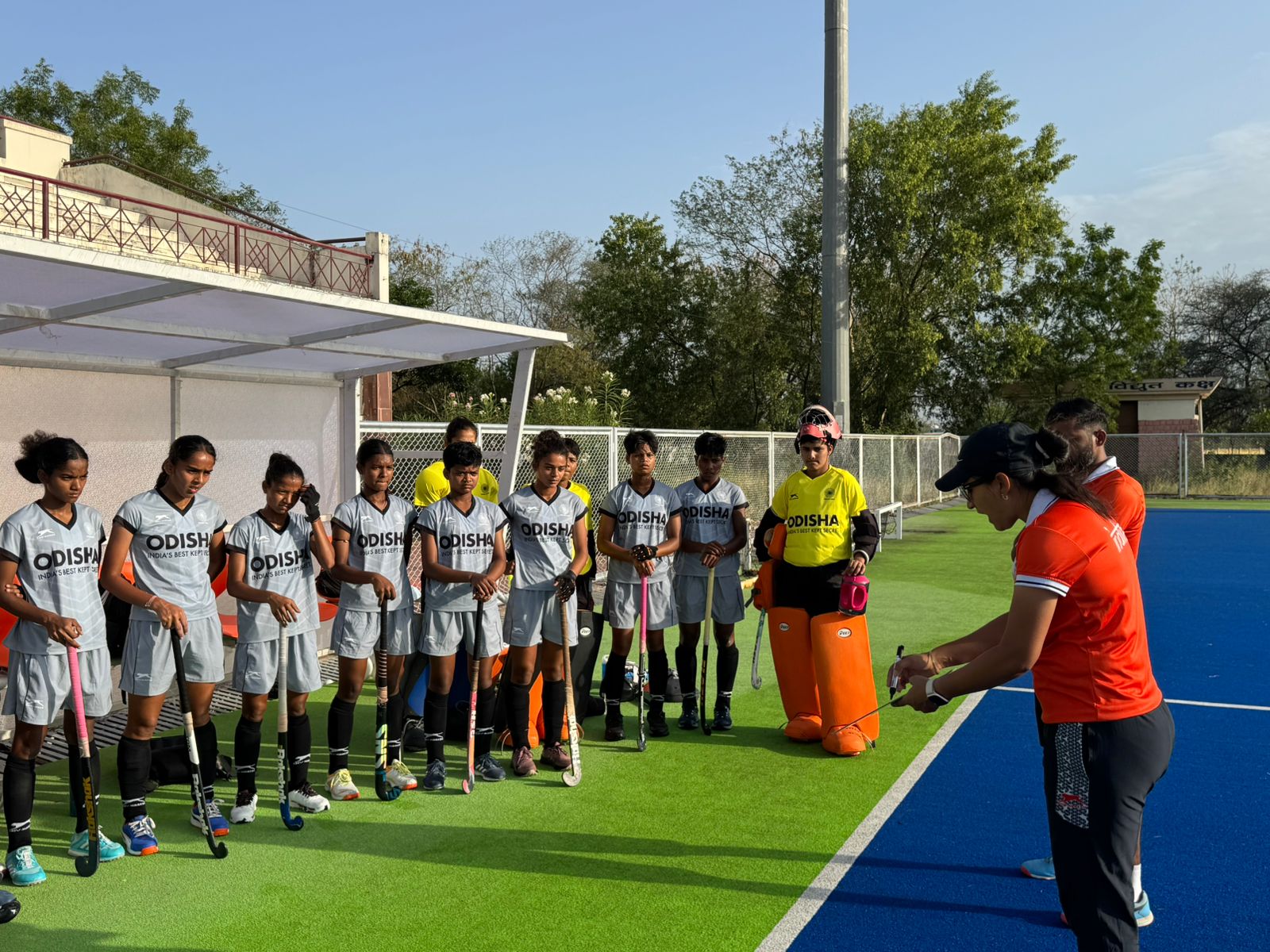
India heads into this tour on the back of a competitive outing in Argentina earlier this year. The team secured two wins in a four-match series, showing signs of resilience and tactical improvement against strong opposition. Those performances have provided a reference point for the coaching staff, particularly in assessing how the team responds under pressure. Since returning from Argentina, the squad has been in camp at SAI Bengaluru, focusing on improving execution in key areas such as circle conversions, defensive structure, and game management.
The Australia tour now serves as the next step in that progression. For head coach Sjoerd Marijne, the tour is less about results and more about evaluation.
“These matches will help us identify our shortcomings and also our improvements after our camps,” he said, highlighting the importance of benchmarking performance levels.
Australia, known for its structured and physically demanding style of play, provides an ideal test environment. Facing such opposition allows India to assess its readiness against top-tier teams, particularly in terms of pace, physicality, and decision-making. The objective is to replicate match scenarios that the team is likely to encounter in the Nations Cup, ensuring that tactical systems are tested under realistic conditions.
One of the key elements of this tour is acclimatisation. Rather than travelling directly to New Zealand, the team will use Australia as an intermediate step to adjust to similar weather conditions. Perth offers a climate closer to New Zealand’s winter conditions, allowing players to adapt gradually. Marijne emphasised this approach, noting that breaking the travel into phases will help players adjust more effectively and reduce the impact of long-haul fatigue.
This planning reflects a broader shift towards more scientific and structured preparation in Indian hockey.
In addition to match preparation, the tour will include a specialised drag-flick training program. Supported by Anandana, the Coca-Cola India Foundation, the team’s drag-flickers will undergo a focused training clinic under Dutch legend Taeke Taekema from May 26 to June 21. This extended program, spanning both Australia and New Zealand, aims to improve one of the most critical aspects of modern hockey penalty corner conversion.
For India, increasing efficiency in set-piece situations has been a consistent area of focus, and this initiative is expected to address that gap.
The Nations Cup Context
The FIH Hockey Women’s Nations Cup serves as a key competition for teams aiming to break into the top tier of international hockey. For India, it represents an opportunity not only to compete for the title but also to strengthen its position within the global rankings framework. Success in the tournament could have long-term implications, particularly in terms of qualification pathways and competitive exposure.
The upcoming tour highlights an important phase in the team’s development. While India has shown the ability to produce strong performances in phases, the next step is consistency sustaining intensity and execution across multiple matches and against varied opposition.
Tours like these play a crucial role in bridging that gap. They provide the environment to experiment, adapt, and refine without the immediate pressure of tournament elimination.
As the team prepares to depart for Australia, the focus will remain on process rather than outcomes. The four matches in Perth, combined with the subsequent training and games in New Zealand, will shape India’s readiness for the Nations Cup. For the coaching staff, this is a critical window to finalise combinations and assess player roles. For the players, it is an opportunity to translate training-ground improvements into match situations.
Ultimately, the success of this preparatory phase will be measured not just by results in Australia, but by how effectively India performs when the Nations Cup begins in Auckland.
Comments (0)
to post comments, replies, and votes.
Loading comments…





.avif)