
India Appoint Former World Champion Dave Cousins As Compound Archery Head Coach Ahead Of LA 2028
With compound archery set to make its long-awaited Olympic debut at the Los Angeles 2028 Games, India has made one of its biggest moves yet in preparation for that historic moment.
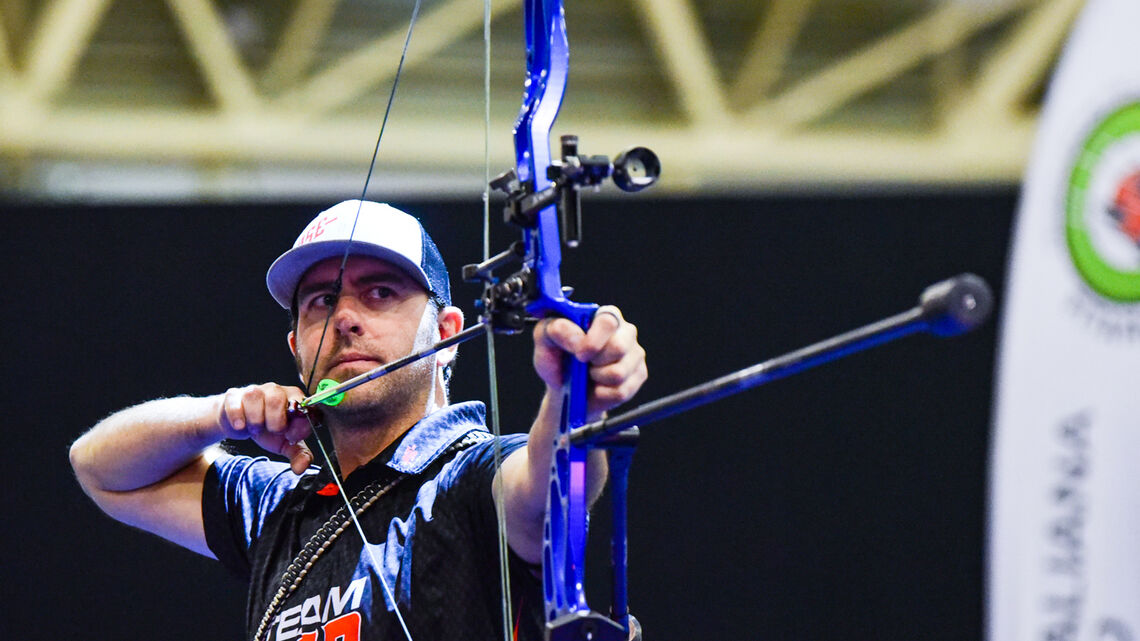
The Archery Association of India (AAI) has appointed former world champion Dave Cousins of the United States as the chief compound archery coach, signaling a clear intent to build an Olympic medal-winning program for the future.
The 49-year-old American, widely regarded as one of the greatest compound archers in history, is expected to join the Indian camp within the next two weeks ahead of World Cup Stage 3 in Antalya, Türkiye. His appointment comes at a critical time for Indian compound archery, which is entering a new phase after major squad reshuffles following national selection trials.
Cousins arrives with unmatched credentials in the compound discipline. He remains the only archer in history to have won every major World Archery championship format, including outdoor, indoor, field, 3D and World Games titles. Across a professional career spanning more than two decades, he established himself as one of the sport’s defining figures and one of the most technically respected athletes in world archery.
For India, however, this appointment is about far more than reputation.
The inclusion of compound archery at LA 2028 has dramatically altered the priorities of every major archery nation. For years, compound archers remained outside the Olympic structure despite India consistently being among the strongest countries in the discipline. Now, with the mixed team event officially added for Los Angeles, India sees a realistic opportunity to challenge for Olympic medals immediately.
That urgency explains why the federation moved quickly to secure a globally respected foreign expert.
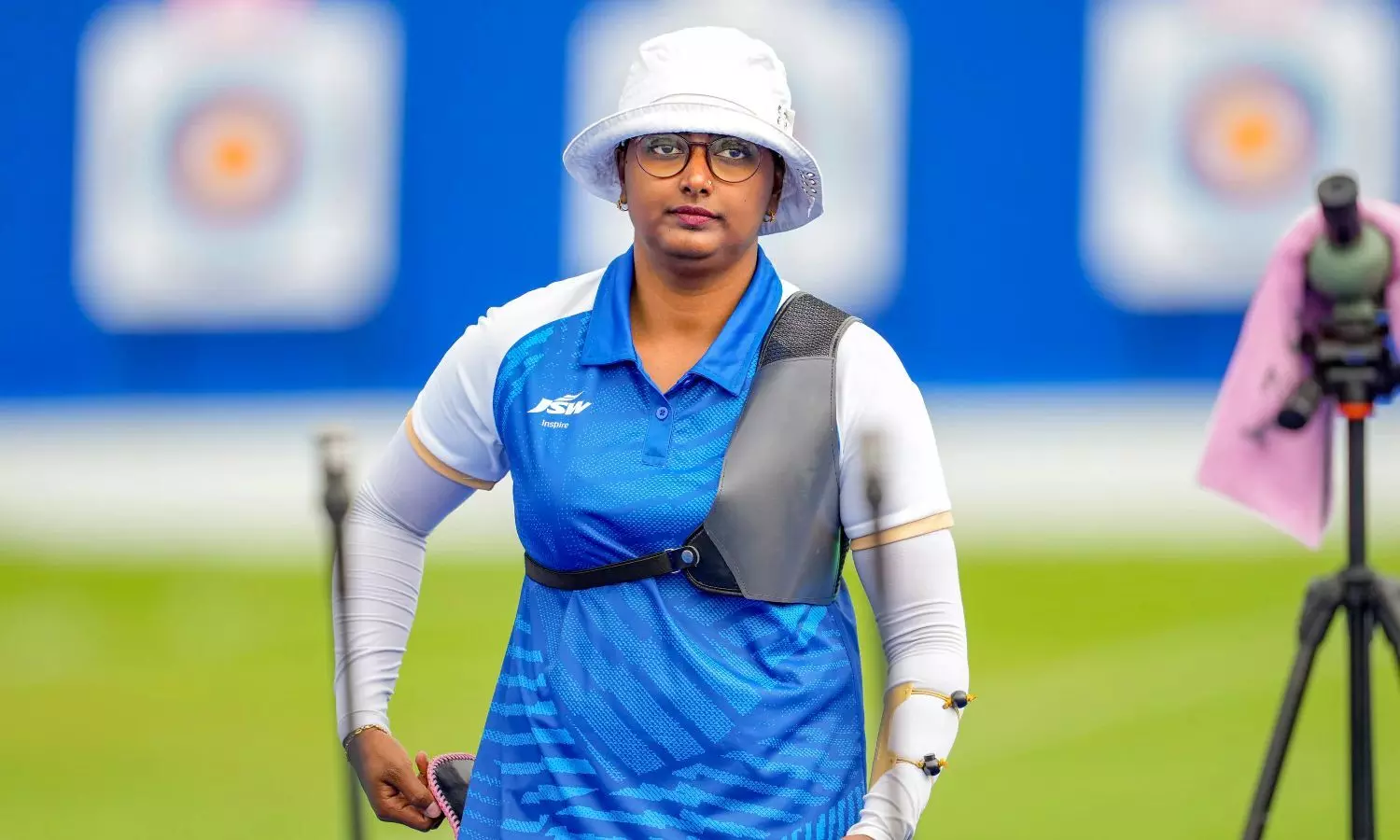
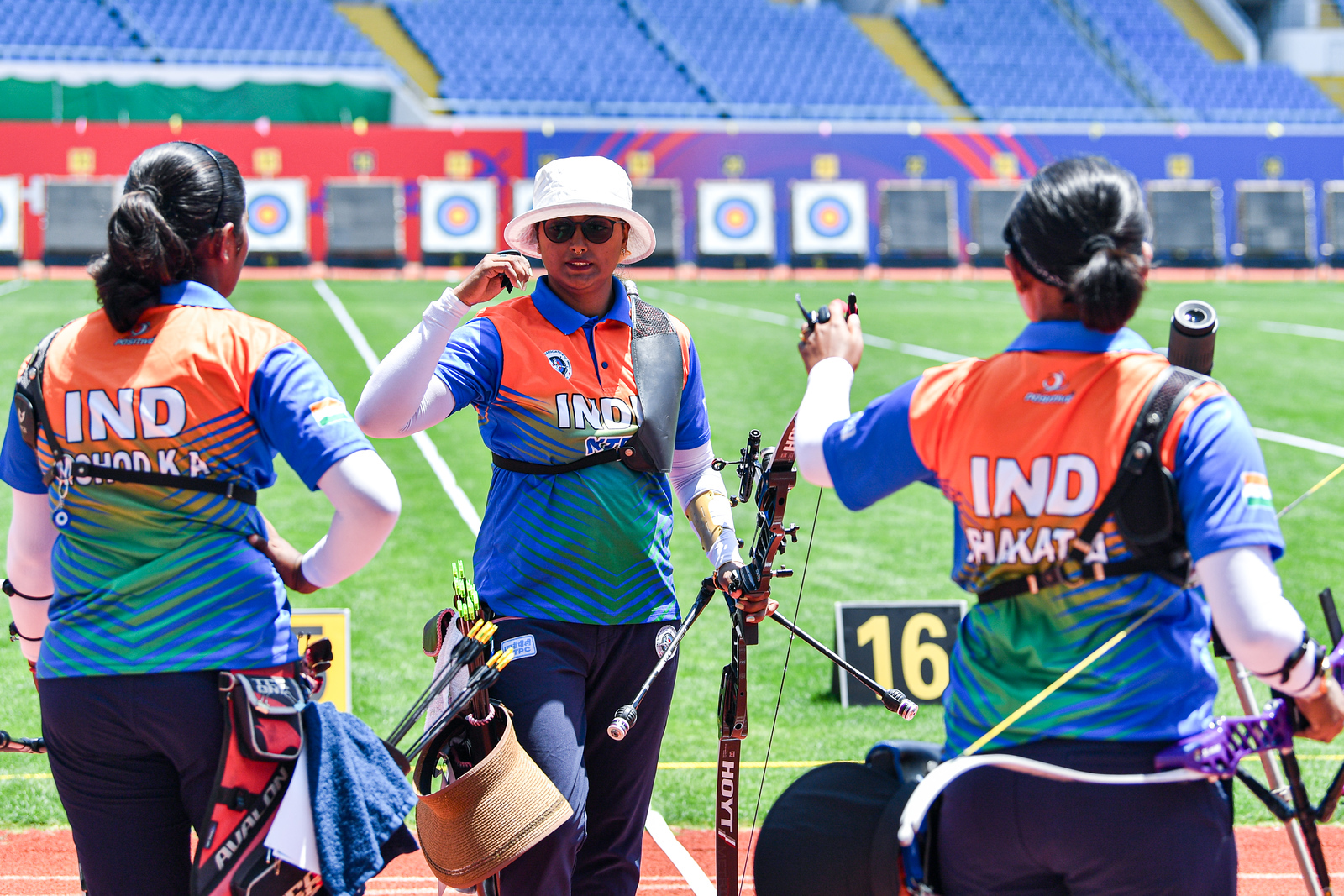
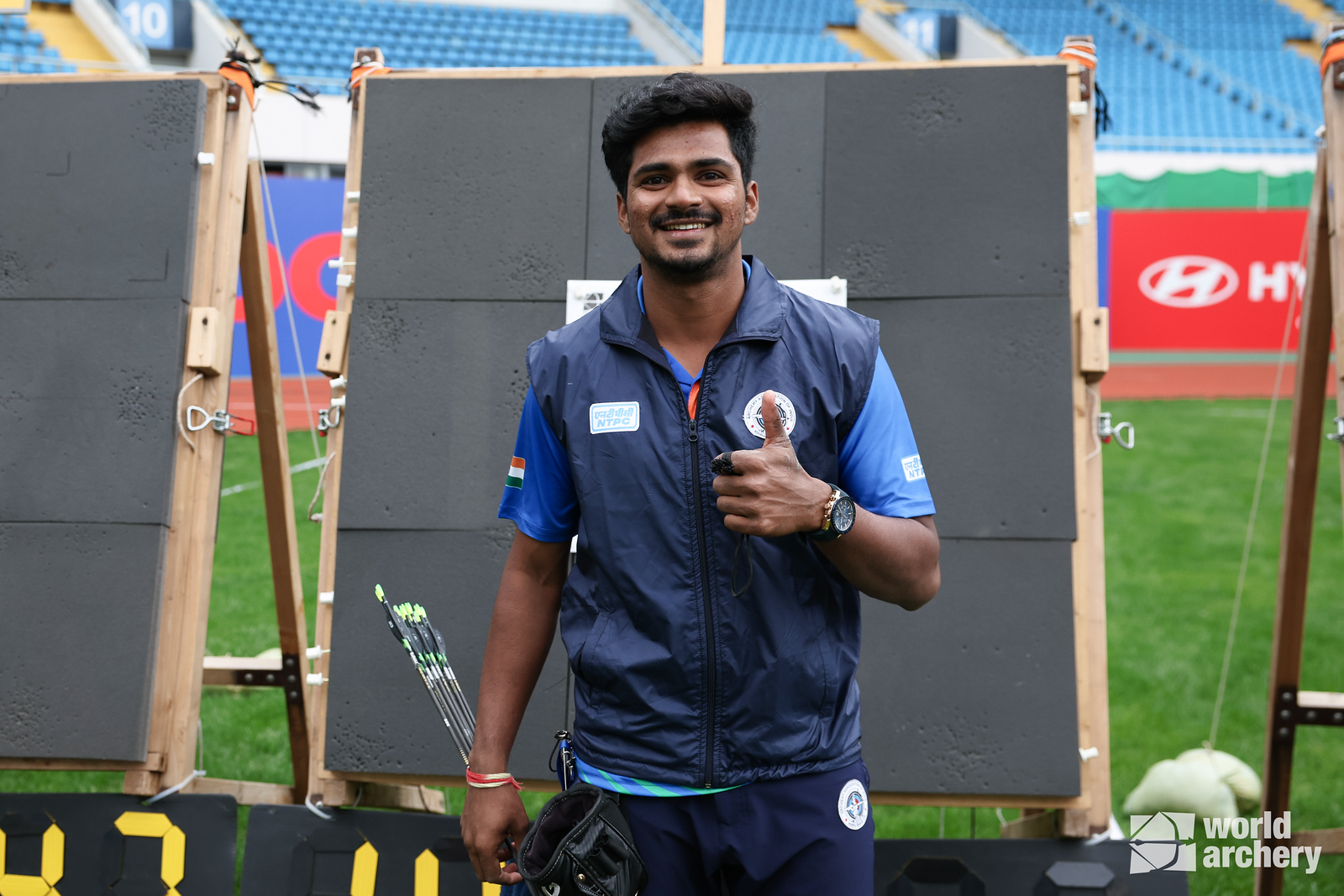
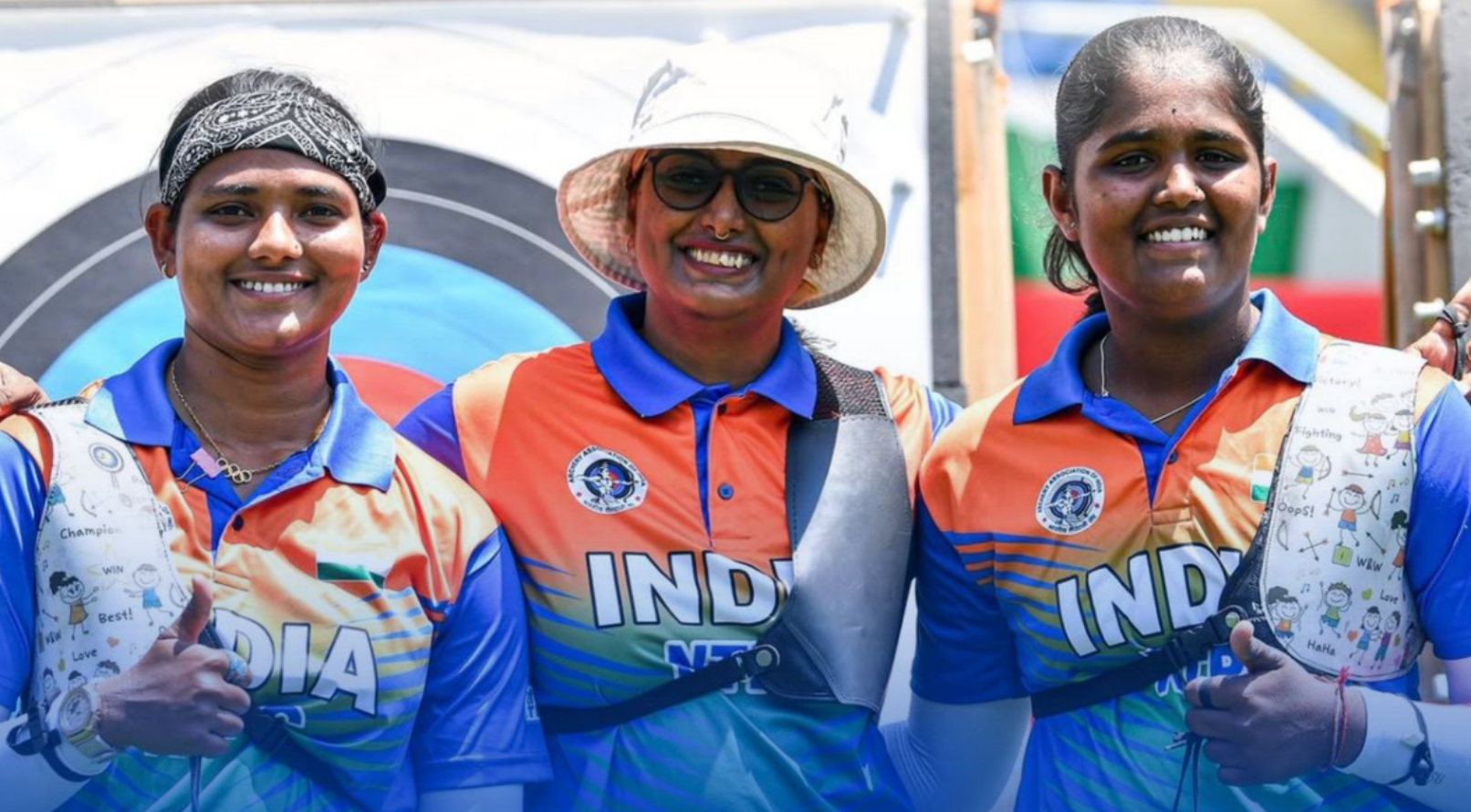
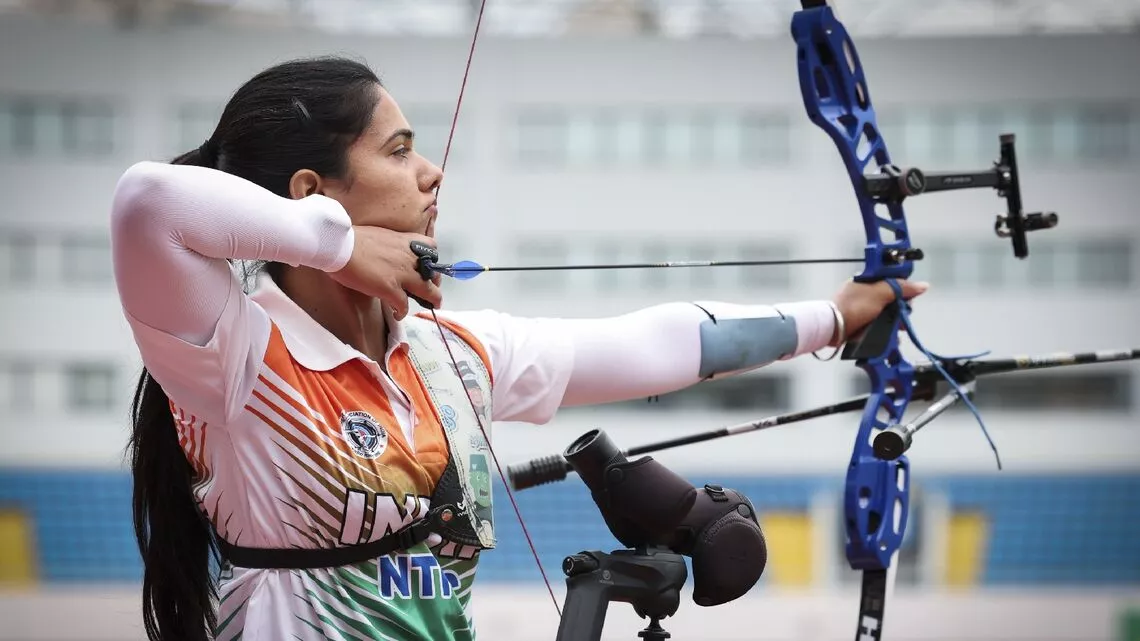
Cousins will take over a national program currently undergoing a major transition. While India remains one of the strongest compound nations globally, the recent national trials produced several surprises and left out many established stars from the upcoming Asian Games squad. Asian Games champions Ojas Deotale, Abhishek Verma, Aditi Swami, Parneet Kaur and Prathamesh Jawkar all failed to secure qualification spots. Among the experienced names, only Jyothi Surekha Vennam managed to retain her place in the Asian Games squad after topping the women’s trials.
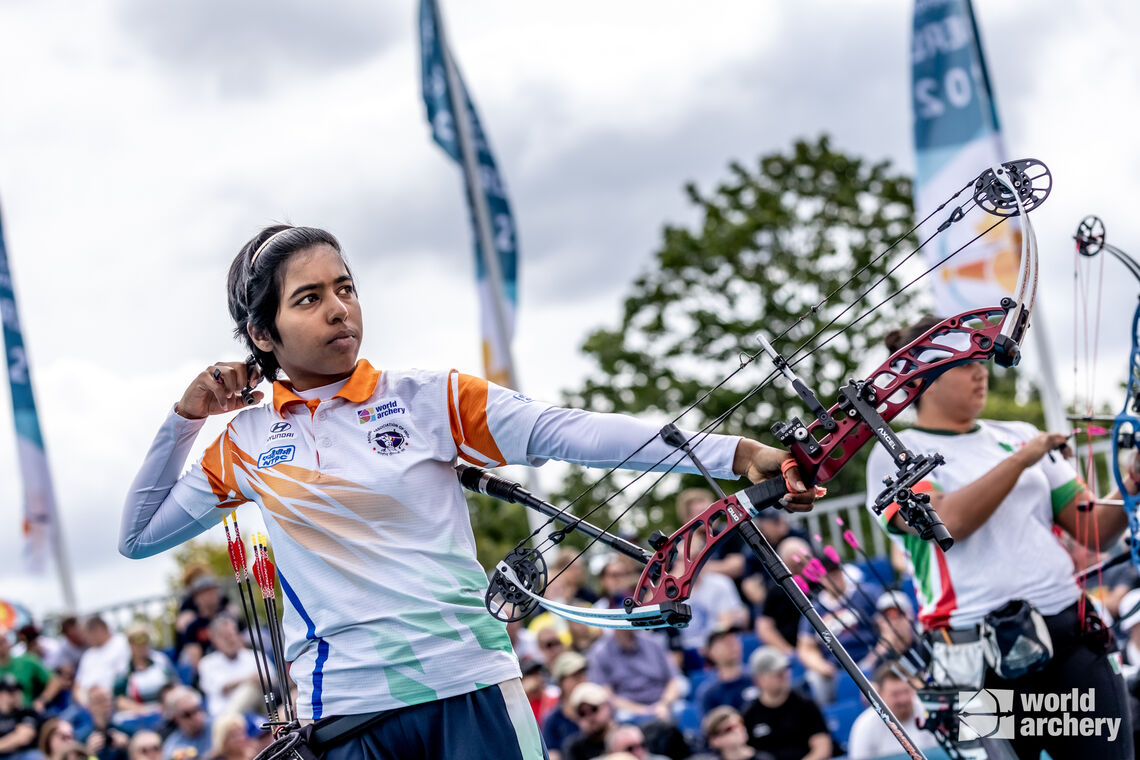
The new-look teams for the upcoming World Cups and Asian Games now feature several relatively inexperienced archers alongside a few proven performers. That makes Cousins’ role even more important.
India are no longer simply trying to maintain standards they are rebuilding while simultaneously preparing for the biggest Olympic cycle compound archery has ever seen.
The timing of the appointment also reflects the turbulence India faced earlier this year in its coaching setup. Italian coach Sergio Pagni, who previously guided India to a dominant compound campaign at the Hangzhou Asian Games, left the Indian system after being recruited full-time by South Korea. His departure created uncertainty within the national setup just months before crucial international events.
Cousins now becomes the centerpiece of India’s long-term high-performance strategy through LA 2028.
What makes his arrival particularly interesting is his technical philosophy. Throughout his career, Cousins became known not just for winning, but for his obsessive focus on biomechanical consistency and pressure execution. His coaching methods revolve around reducing technical variability, improving release precision and building repeatable matchplay execution under pressure.
Those qualities could prove crucial for India.
Indian compound archers have regularly dominated qualification rounds and produced world-class scores, but inconsistencies in knockout matches and pressure situations have occasionally hurt the team at major events. India’s coaches and administrators believe Cousins’ experience at the highest level can help solve those issues before the Olympic cycle intensifies.
The American’s first assignment will come quickly. India will head into World Cup Stage 3 in Antalya next month with revamped squads and heightened expectations. Following that, preparations will intensify for the 2026 Asian Games in Aichi-Nagoya, Japan, where India will again enter as one of the favourites in compound archery.
To support the transition, the federation has also planned extensive preparation camps. A seven-day camp involving personal coaches has already been scheduled to ensure smoother integration between national and private coaching systems. India will also hold a preparatory camp in Kurobe, Japan, ahead of the Asian Games to help archers acclimatise to local conditions.
The decision to involve personal coaches is particularly notable because Indian archery has increasingly relied on decentralized coaching structures in recent years. Cousins will therefore need to balance technical standardization while still working with athletes accustomed to different systems and methods.
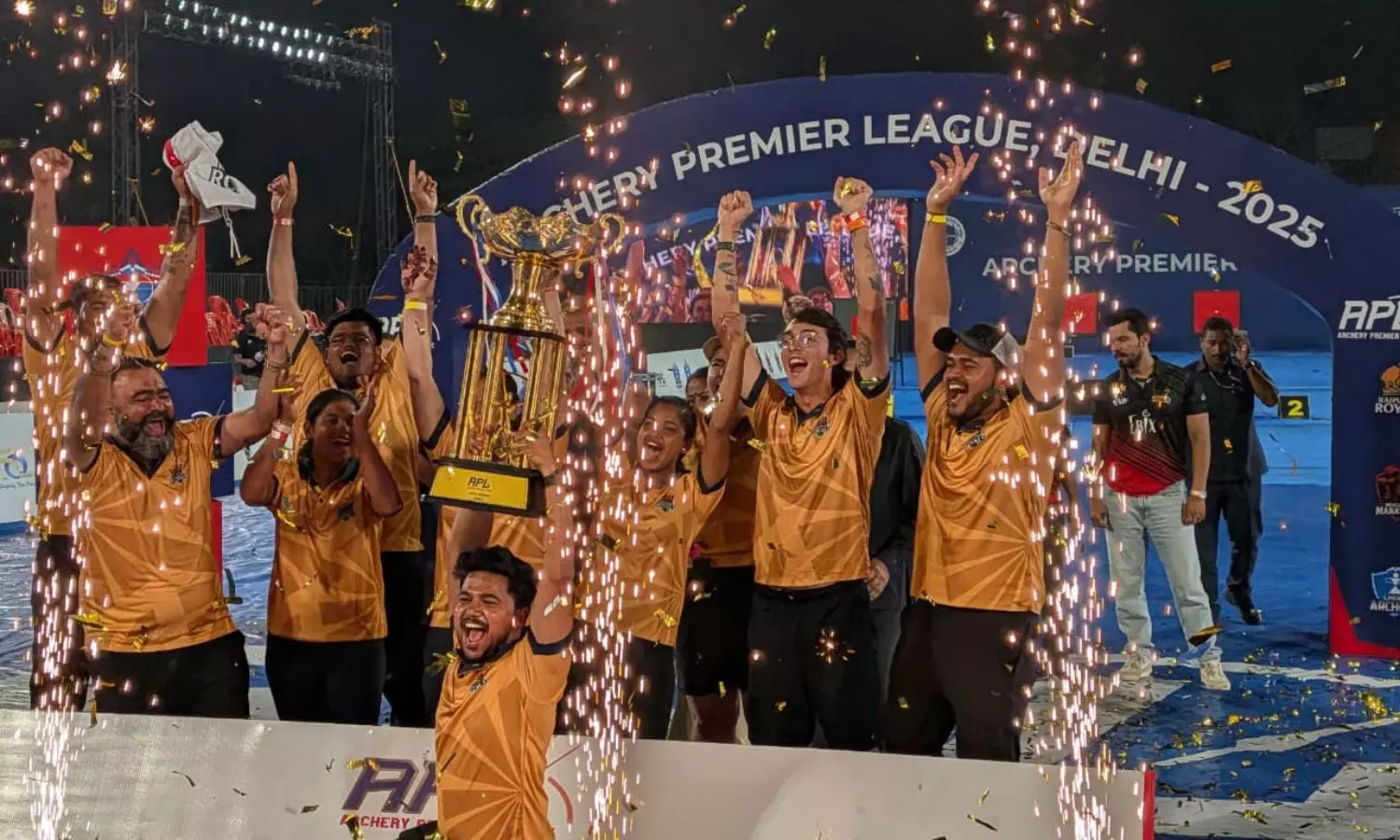
Despite the challenges, India’s timing may be ideal. The country already possesses enormous depth in compound archery, especially on the women’s side where archers like Jyothi Surekha have consistently challenged the world’s best. Younger athletes are also emerging rapidly through domestic systems and professional leagues like the Archery Premier League.
What India perhaps lacked until now was a stable long-term elite technical structure focused entirely on the Olympic objective. That is exactly what Dave Cousins has been brought in to provide.
For a nation that has long dominated compound archery outside the Olympics, LA 2028 represents an opportunity to finally translate that success onto the biggest sporting stage in the world.
Comments (0)
to post comments, replies, and votes.
Loading comments…