Archery World Cup: India Women’s Recurve Team Clinch Gold in Shanghai, Defeat China in Thrilling Final
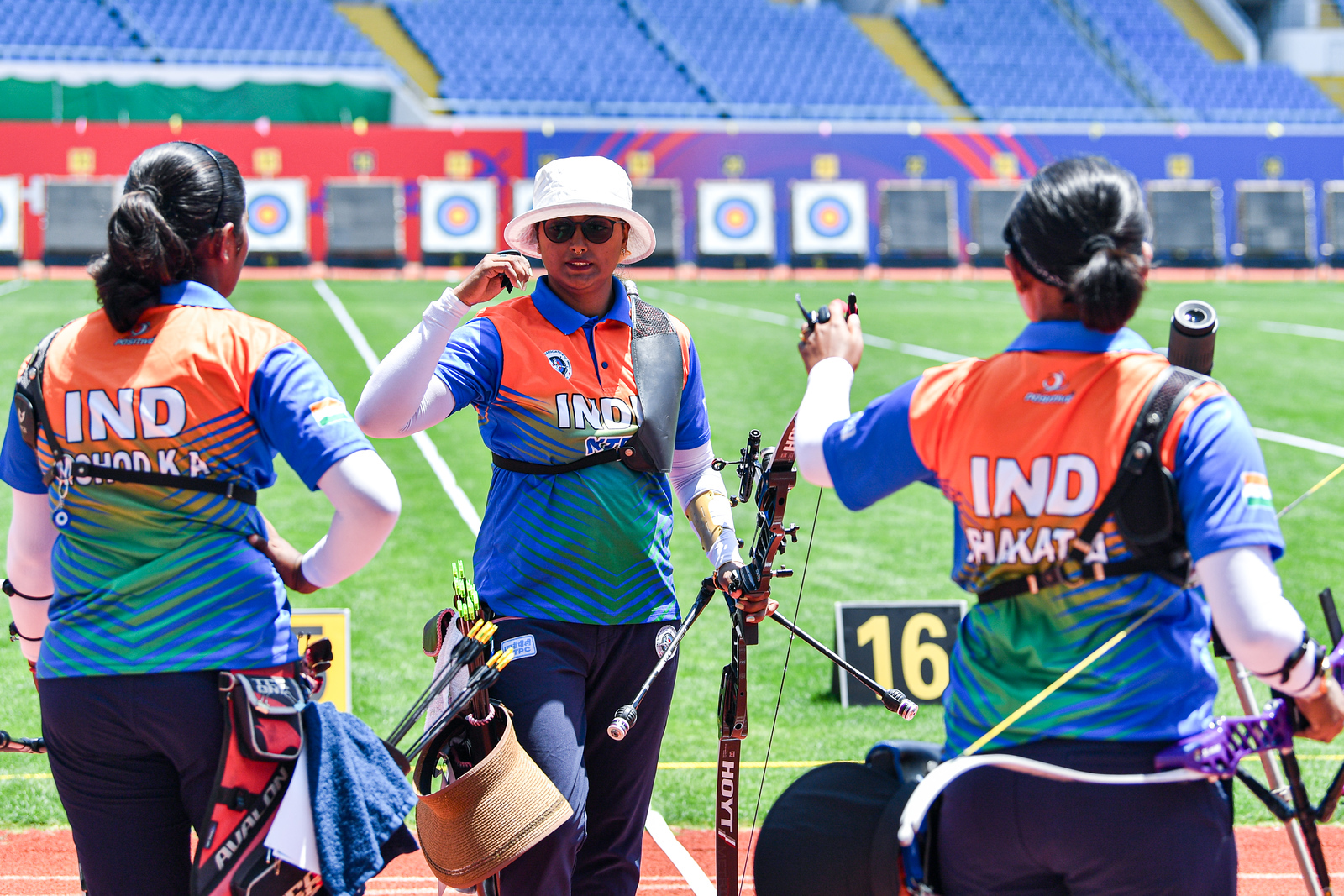
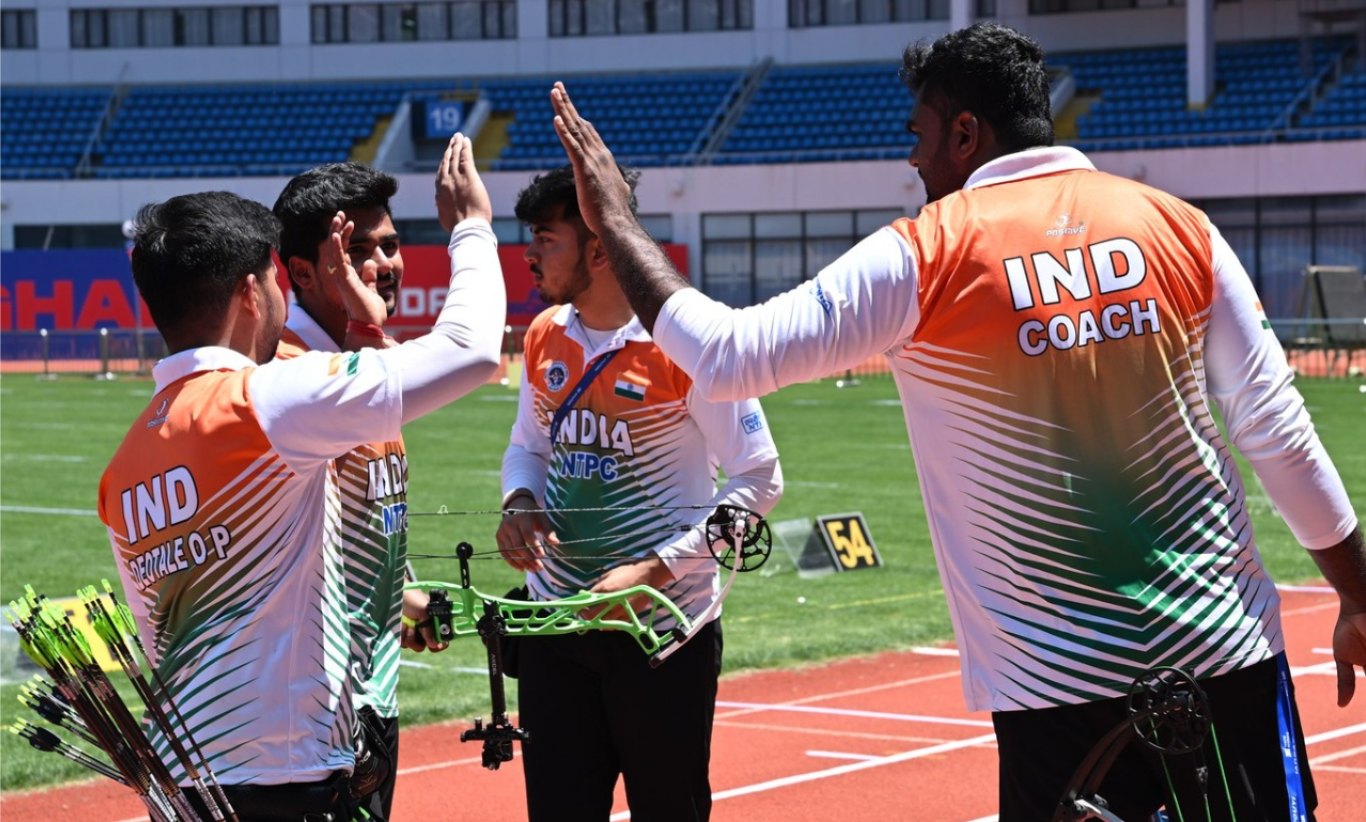
India’s women’s recurve team produced a composed and high-quality performance to win the gold medal at the Archery World Cup 2026 Stage 2 in Shanghai, defeating hosts China in a closely contested final.
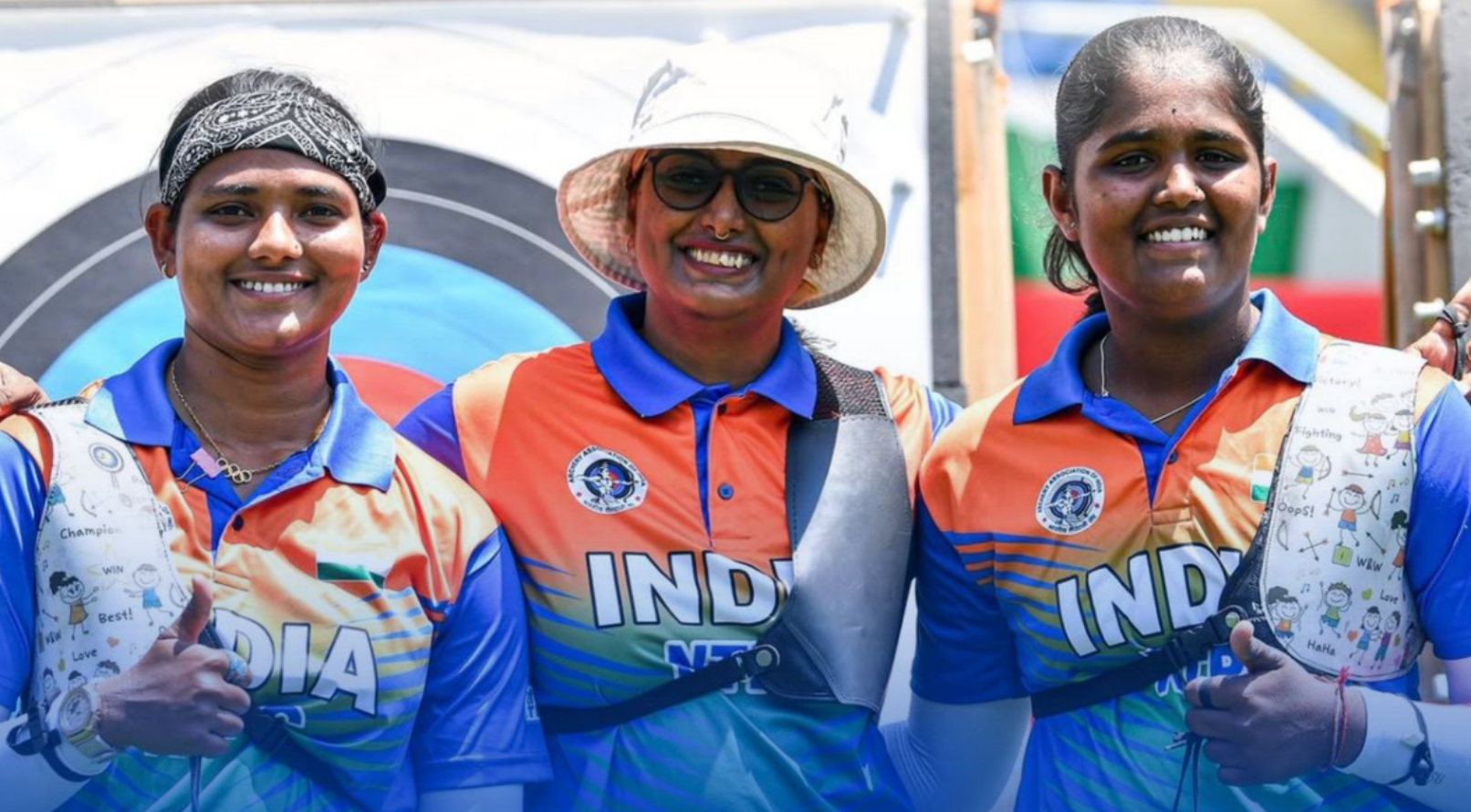
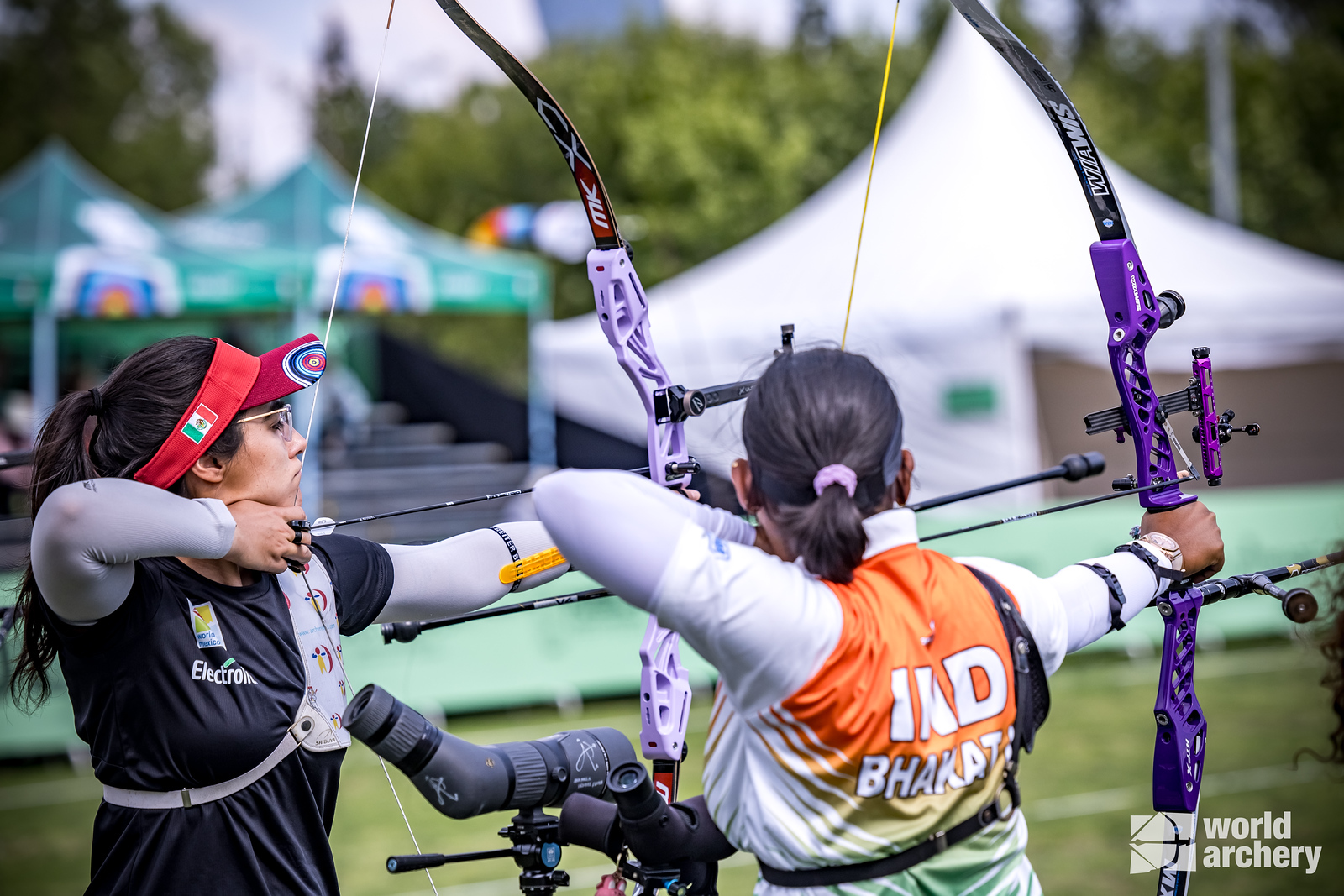
The trio of Deepika Kumari, Ankita Bhakat, and 17-year-old Kumkum Mohod held their nerve in a tight finish to secure one of India’s most significant team titles in recent years. The victory marks a major milestone for Indian recurve archery, particularly given the quality of opposition and the pressure of competing against China on home soil. It also caps off a campaign where India consistently delivered across rounds, including a historic semifinal win over South Korea.
The gold medal match itself was a high-scoring and evenly balanced contest. Both teams matched each other arrow for arrow across the ends, with margins remaining minimal throughout. India’s strength lay in their consistency rarely dropping below the nine-ring and capitalising on key moments where China faltered slightly under pressure.
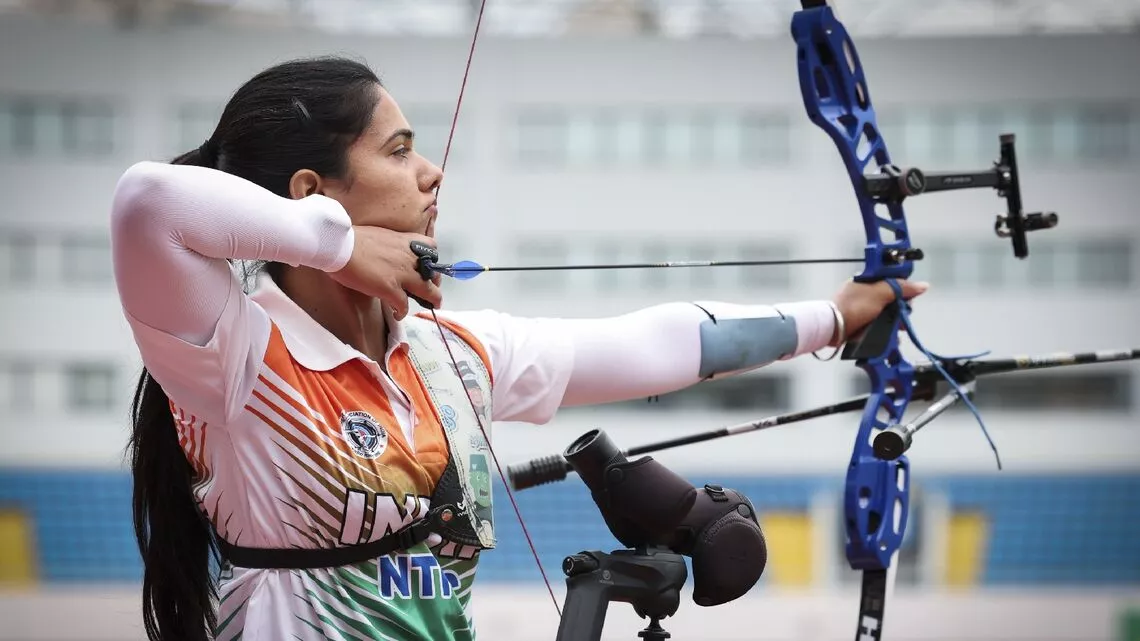
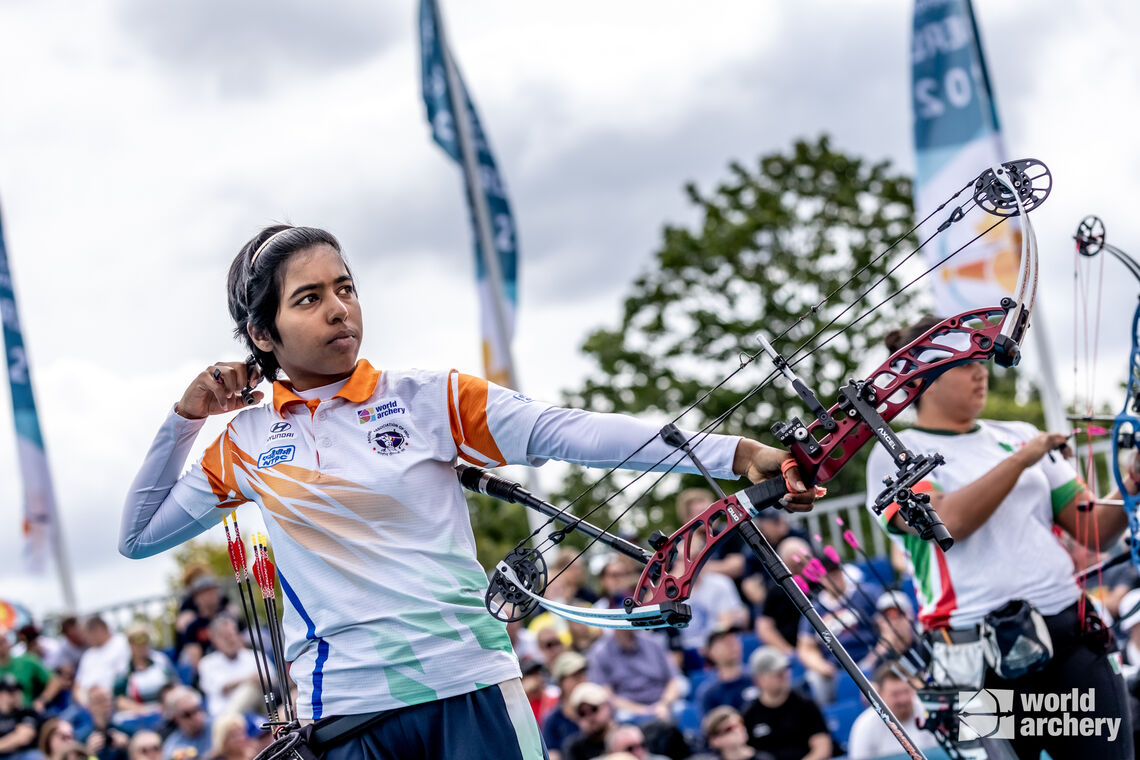
Deepika Kumari, the most experienced member of the trio, once again played a central role in anchoring the team. Her ability to deliver under pressure, particularly in crucial arrows, provided stability throughout the match. Ankita Bhakat complemented that with steady scoring, while Kumkum Mohod showed remarkable composure for her age, maintaining rhythm in a high-stakes final. The decisive phase came in the final ends, where India edged ahead through tighter grouping and fewer dropped points. The ability to close out the match under pressure highlighted a maturity that has often been questioned in Indian recurve teams at the global level.
This gold medal, however, was not built in a single match. India’s journey through the tournament reflected both resilience and progression.
In the Round of 16, the Indian team secured a 6-2 win over Uzbekistan, establishing early momentum in the competition. The quarterfinal against Vietnam proved far more challenging, going down to a shoot-off after a 5-4 tie. India held their nerve in the decider, winning 28-25 to advance.
The defining moment of their campaign came in the semifinals, where they defeated top-seeded South Korea 5-1. South Korea, widely regarded as the dominant force in world recurve archery, were outperformed by an Indian team that combined precision with tactical awareness. Scores of 58-55 and 58-56 in the opening and closing sets underlined India’s ability to maintain high scoring levels against elite opposition.
That semifinal result shifted the narrative heading into the final. Instead of being underdogs, India entered the gold medal match with confidence and belief. The Shanghai triumph also holds significance in the broader context of Indian recurve archery. While India has seen success in compound events in recent years, recurve particularly at the team level has faced challenges in consistently converting strong performances into titles on the World Cup circuit.
The last major phase of sustained success for Indian women’s recurve came in 2021, when Deepika Kumari led a historic run at the Paris World Cup Stage 3, winning three gold medals across individual, team, and mixed team events. The same year, India also secured team gold at the Guatemala City World Cup Stage 1. Since then, podium finishes have been intermittent, making the Shanghai gold a significant return to the top step. It also highlights the emergence of a new combination, particularly with the inclusion of Kumkum Mohod, who represents the next generation of Indian archers.
From a technical standpoint, India’s performance in Shanghai stood out for its consistency. The team maintained strong averages across ends, minimised low-value shots, and executed well in pressure situations particularly in the shoot-off against Vietnam and the closing stages of the final. Equally important was their mental approach. Facing South Korea in the semifinals and China in the final required not just technical execution but also composure and belief. India’s ability to handle those situations marks a positive shift in their competitive mindset.
Looking ahead, this result could have broader implications for Indian archery. With major international events and qualification cycles approaching, performances like these build confidence and provide a template for success against top-tier teams. For Deepika Kumari, the gold adds another chapter to an already distinguished career. For Ankita Bhakat, it reinforces her position as a consistent contributor at the international level. And for Kumkum Mohod, it signals the arrival of a young archer capable of performing on the biggest stages.
In Shanghai, India did more than just win a gold medal they delivered a statement performance, defeating two of the strongest teams in world archery and showcasing the depth and potential of their women’s recurve program.
Comments (0)
to post comments, replies, and votes.
Loading comments…