
From Occasional Upsets to a Pattern: India’s Rare Wins Over Korea Signal a Shift in Recurve World Archery
In the ecosystem of world archery, there exists a benchmark that has defined excellence for decades South Korea.
Their dominance in women’s recurve archery is not just historical; it is structural, systemic, and deeply ingrained. Olympic gold medals, World Championship titles, and an unmatched pipeline of elite talent have made Korea the gold standard. Within that context, every victory against Korea is not just a result it is a disruption.
For India’s women’s recurve team, such disruptions have been rare, but crucially, they are no longer isolated. The semi-final victory at the Archery World Cup Stage 2 in 2026 marks the fourth time India has defeated Korea in a major international team event, adding to a timeline that quietly tells a story of progression, belief, and narrowing margins. India’s first breakthrough came in 2010 at the Asian Grand Prix. At the time, Indian women’s archery was still evolving structurally, relying heavily on emerging talent and limited high-performance exposure. Yet, in that final, India defeated a Korean side a moment that carried more psychological weight than statistical significance. It showed that Korea could be beaten.
The real shift, however, came a year later at the 2011 World Championships in Turin. Facing the reigning champions in the semi-final, India delivered a composed and technically disciplined performance to win 216–212. This wasn’t just a win it secured Olympic qualification for London 2012 and, more importantly, established India as a legitimate contender on the global stage.
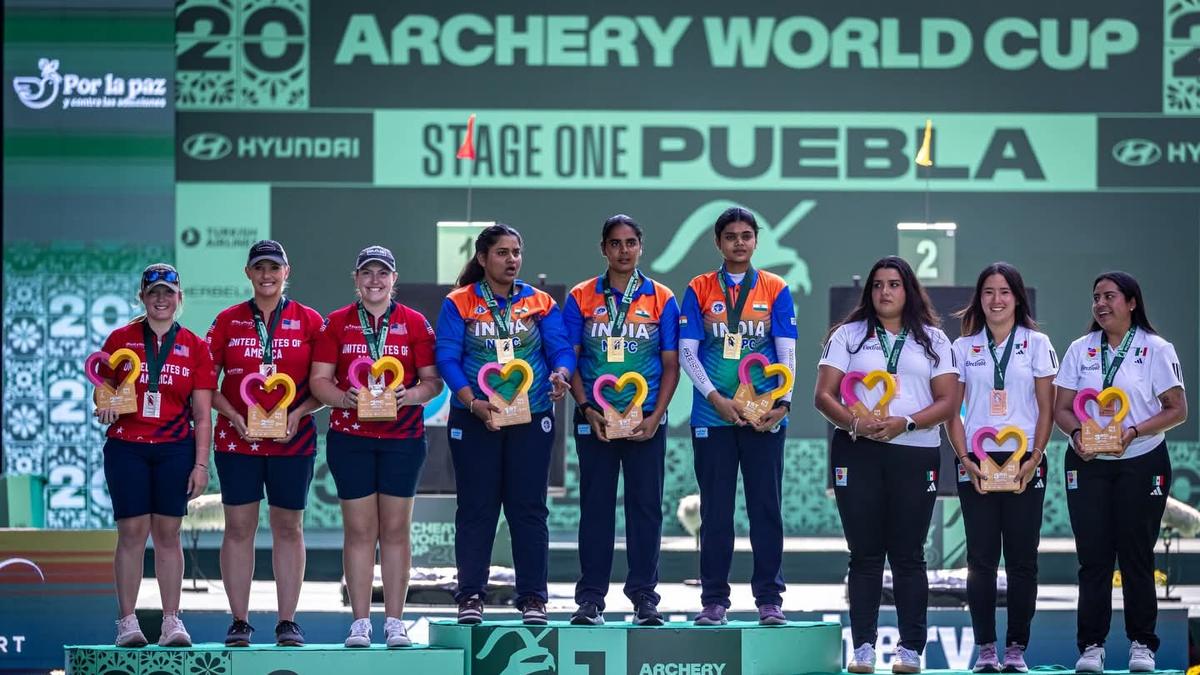
Two years later, in 2013, India went one step further. At the World Cup Stage 4 in Wroclaw, they defeated Korea in the final. This was a different kind of victory one built on composure under pressure. Korea, known for their near-perfect execution, faltered slightly in challenging conditions, and India capitalised. That ability to seize moments against the best in the world marked a significant tactical and psychological evolution.
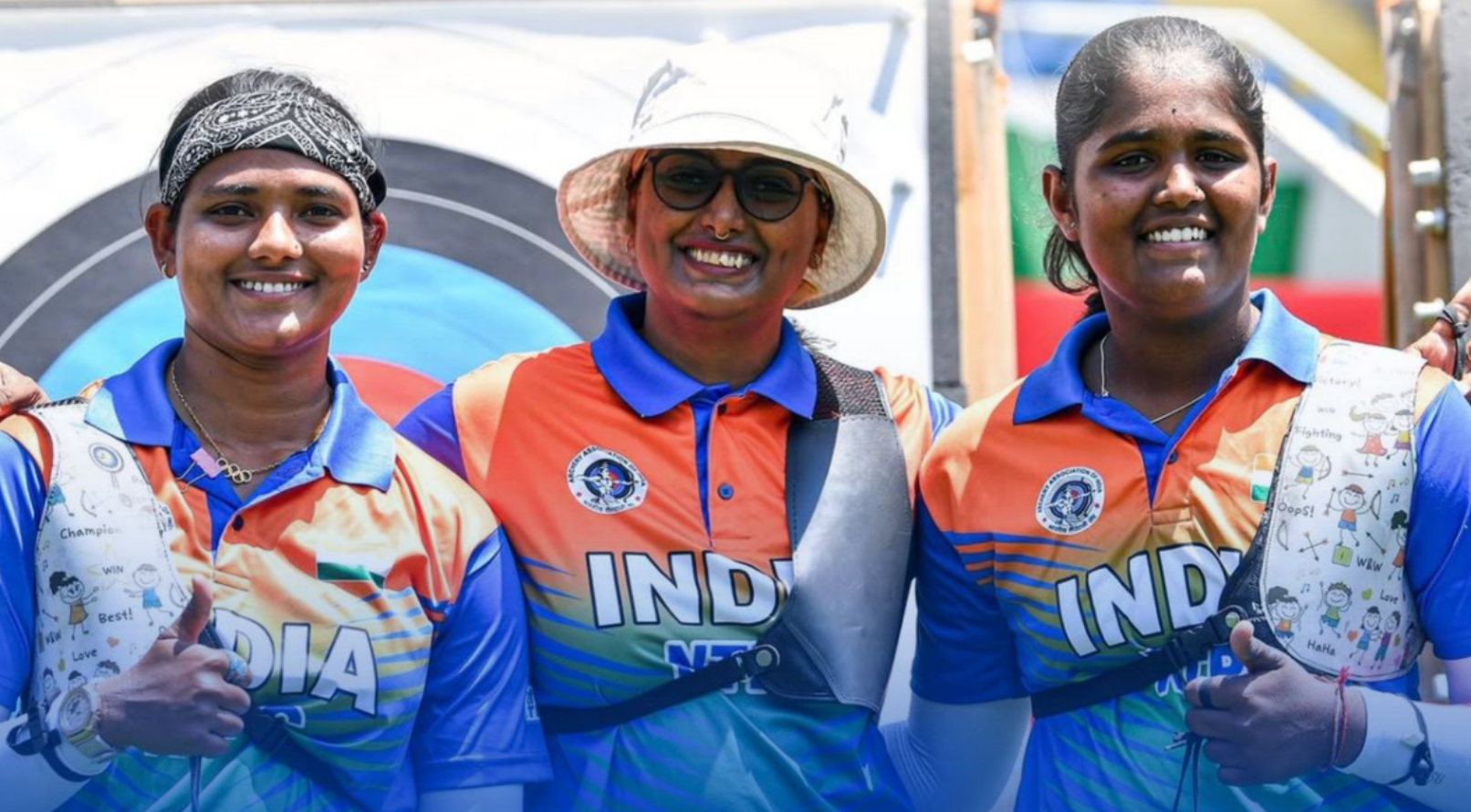
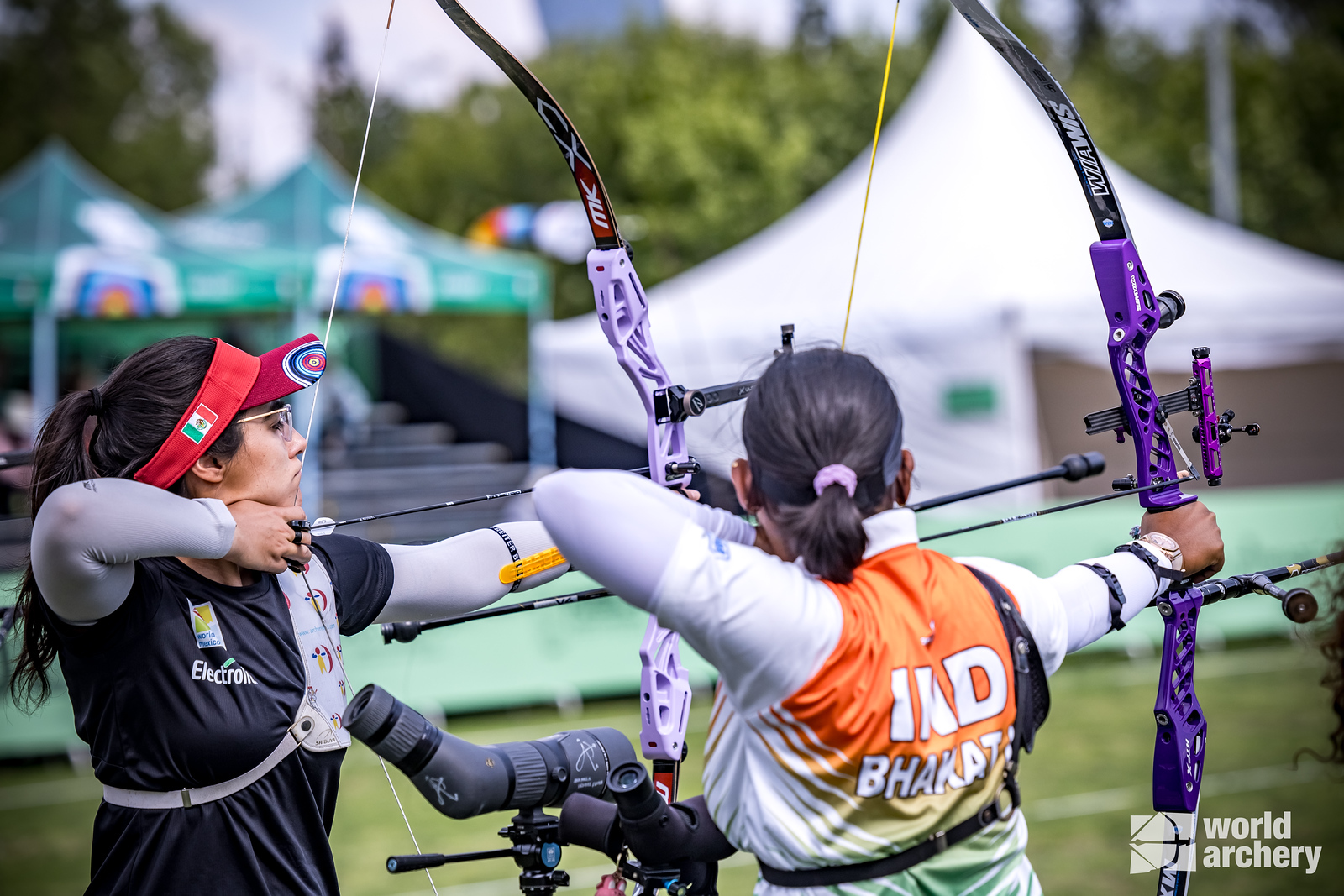
And then came 2026. At the World Cup Stage 2 in Shanghai, India didn’t just beat Korea they controlled the match. A 5–1 semi-final victory under the set system was arguably the most dominant Indian performance against Korea to date. The trio of Deepika Kumari, Ankita Bhakat, and Kumkum Mohod combined experience with youthful fearlessness, delivering high scoring consistency and composure in windy conditions.
What stood out was not just the result, but the manner of it. India dictated the pace, handled environmental variables better, and maintained scoring density that matched and at times exceeded their opponents. One of the defining aspects of India’s journey has been its transition from reliance on individual brilliance to building a competitive team structure. In the early years, much of India’s success revolved around the emergence of Deepika Kumari. Her rise from grassroots archery to World No. 1 symbolised the sport’s growth in India. But over time, the ecosystem has expanded academies, coaching systems, and international exposure have contributed to a broader talent pool.
The 2026 victory illustrates this shift clearly. While Deepika remains a central figure, the inclusion of Kumkum Mohod a teenager making only her second senior World Cup appearance signals a generational transition. Unlike earlier cohorts, this new generation does not carry the psychological burden of Korea’s dominance. They compete with them, not against their legacy. Technically, India has also evolved. The Korean system is built on rhythm, repetition, and mechanical precision. India, by contrast, has developed a more adaptive approach. Wind management, shot timing, and situational awareness have become strengths. In Shanghai, Indian archers were seen deliberately delaying releases to account for wind conditions a tactical nuance that proved decisive.
While four wins over 16 years may still appear sparse, the pattern matters more than the frequency. Each victory has come in a different context a Grand Prix final, a World Championship semi-final, a World Cup final, and now a World Cup semi-final under a new scoring system. This diversity of success indicates that India is not just capable of occasional upsets but is gradually learning to compete across formats and conditions. More importantly, the margin is shrinking. Earlier, India needed near-perfect performances combined with Korean errors to win. Today, they are capable of matching scoring averages, maintaining composure, and controlling matches. The 2026 semi-final was not about waiting for Korea to falter it was about India executing better.
This aligns with broader trends in global archery. The gap between Korea and the rest of the world, while still significant, is no longer insurmountable. Nations like India have begun to challenge that hierarchy consistently, especially in team formats where cohesion and strategy play a bigger role. The timing of the 2026 victory is particularly significant. With the Asian Games approaching and the Olympic cycle building towards Los Angeles 2028, these wins are not just milestones they are indicators of potential.
For India, the next step is consistency. Beating Korea once is a statement. Doing it repeatedly, across tournaments and under pressure, is what transforms a challenger into a contender. The infrastructure is improving, the talent pool is expanding, and the belief is growing.
The “Korean Wall” has not fallen but it has cracks now.
And India, slowly but surely, is learning how to find them.
Comments (0)
to post comments, replies, and votes.
Loading comments…
.avif)