AFC U17 Women’s Asian Cup: India on the Brink of History as Young Tigresses Storm Past Lebanon in U17 Asian Cup
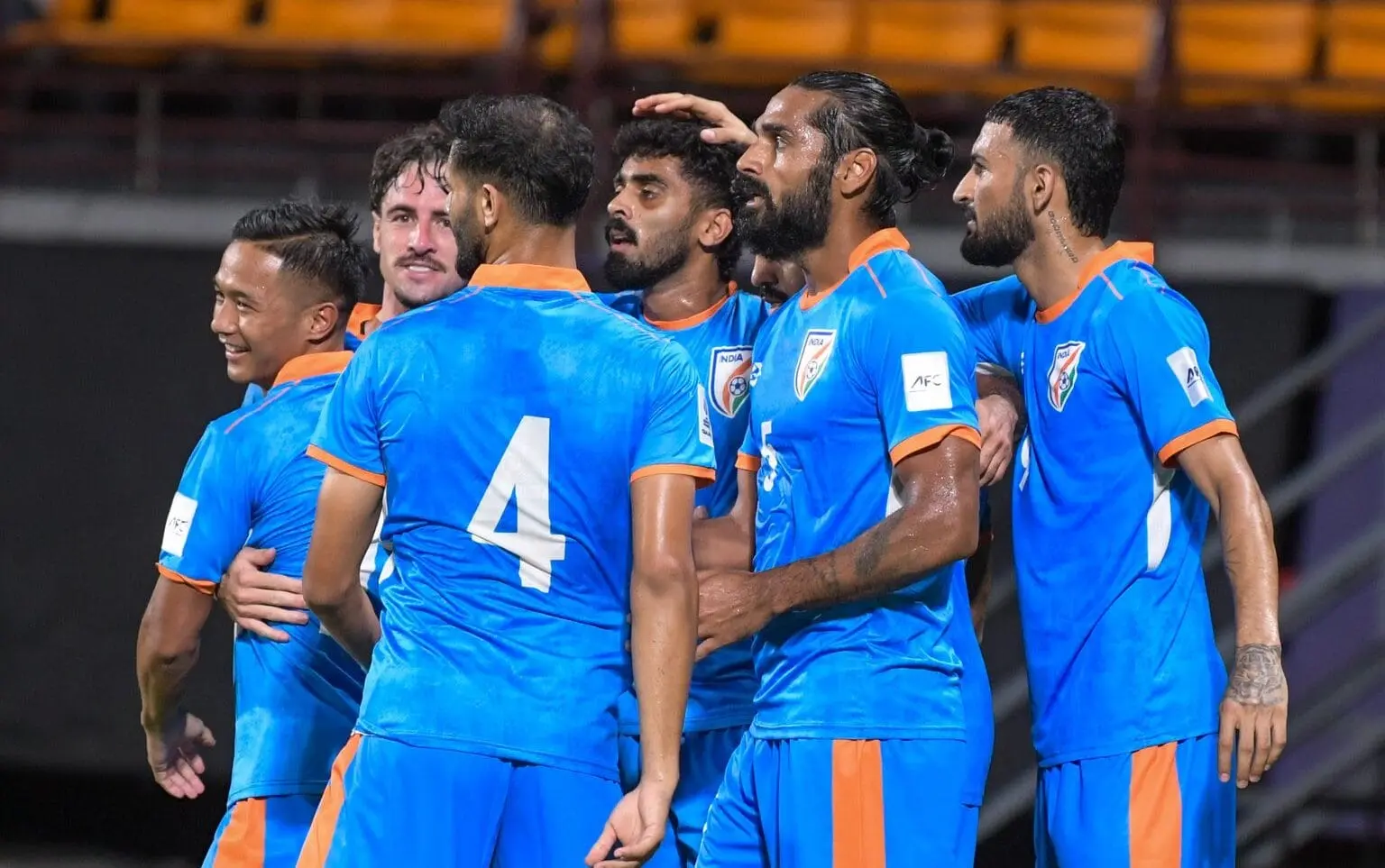
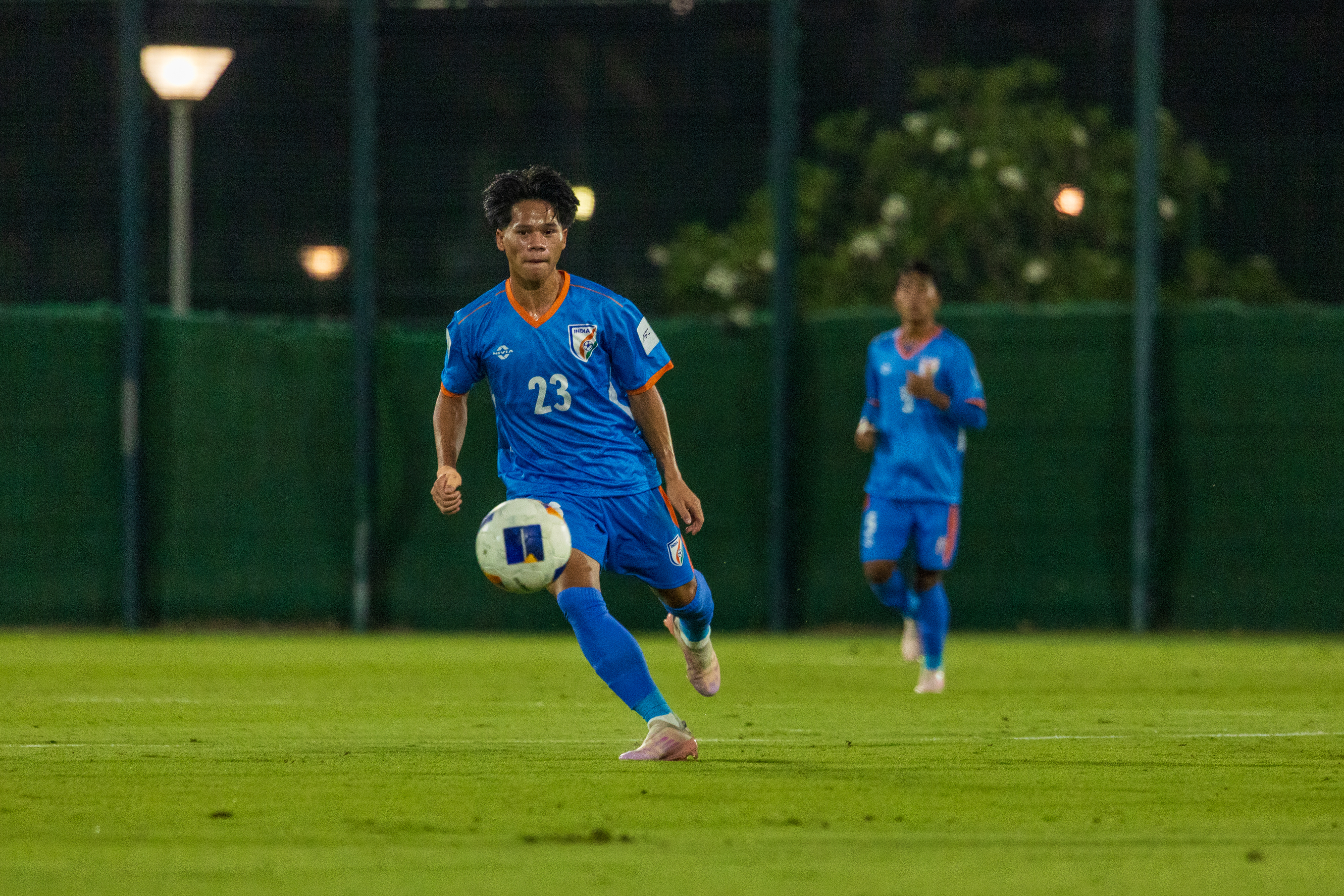
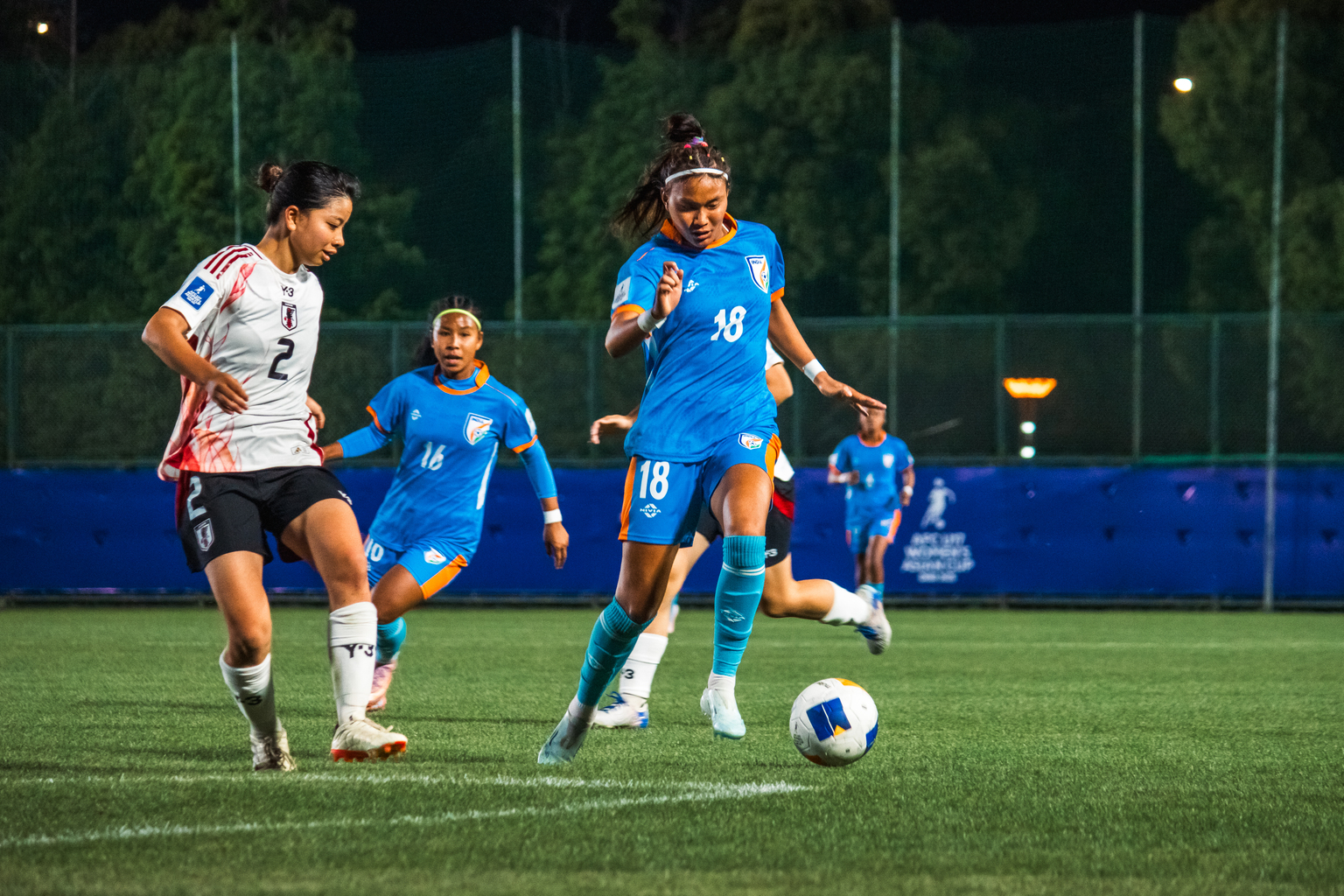
India’s U17 women’s team delivered one of their most complete performances in recent memory, defeating Lebanon 4-0 in their final Group B fixture at the AFC U17 Women’s Asian Cup 2026 in Suzhou.
The emphatic win not only kept their quarter-final hopes alive but also placed them firmly on the cusp of a historic qualification to the knockout stage. On a night where everything aligned intent, execution, and composure the Young Tigresses finally translated promise into performance. Goals from Pritika Barman, who scored twice, along with strikes from Alva Devi Senjam and Joya, ensured India recorded their first goals and first victory in the competition since 2005.
India entered the match knowing that only a win would keep their campaign alive. That urgency was evident from the opening whistle. With just one change to the lineup Anushka Kumari coming in for Pearl Fernandes the side showed immediate attacking intent. The breakthrough arrived early. In the seventh minute, Divyani Linda launched a precise long ball from the right flank. Pritika Barman controlled it with remarkable composure, shrugged off her marker, and unleashed a left-footed strike past goalkeeper Marie Joe Chebly. It was a goal that set the tone confident, direct, and decisive.
That early lead allowed India to dictate the tempo. Their pressing improved noticeably, forcing Lebanon into hurried clearances, while the midfield controlled transitions with greater discipline. India nearly doubled their lead soon after. Anushka Kumari found space inside the box but was denied by a sharp save. Pritika continued to be a constant threat, testing the Lebanese defence repeatedly with her movement and pace.
Control and Composure Through the Middle Phase
As the first half progressed, India’s dominance became more structured. Their ability to stretch Lebanon through the flanks created space centrally, while quick passing sequences ensured sustained pressure. The second goal, in the 36th minute, was a product of this growing control. Redima Devi Chingkhamayum threaded a well-weighted pass into the attacking third, finding Alva Devi Senjam. The forward displayed excellent awareness, gliding past her defender before calmly slotting the ball into the net. At 2-0, India carried both momentum and belief into the break something that had been missing in their opening fixtures.
India resumed the second half with the same intensity. Rather than sitting back to protect their lead, they continued to push forward, maintaining high pressing lines and controlling possession in advanced areas. Lebanon struggled to respond. Their defensive structure began to stretch under sustained pressure, and India’s attacking depth became increasingly evident. The third goal, in the 72nd minute, came from a moment of individual brilliance. Substitute Joya, introduced in the second half, received the ball on the left wing and took on the defence with confidence. Cutting inside past two players, she curled a precise right-footed effort into the far corner, effectively ending the contest.
The fourth goal, five minutes from time, capped a dominant performance. Pritika Barman completed her brace, driving forward from the right wing before finishing with composure inside the box. It was a fitting end to a performance where she consistently led India’s attacking charge.
Beyond the scoreline, what stood out was India’s tactical clarity. Against Lebanon, the team displayed better spacing, sharper decision-making, and improved execution in the final third. The wide areas were used effectively, with Divyani Linda and the forwards stretching the defence. The midfield maintained compactness, ensuring quick recoveries and transitions. Defensively, India were composed, limiting Lebanon’s chances and maintaining structure throughout. The substitutions also had a clear impact. Joya’s introduction added fresh energy, while the overall squad rotation ensured intensity was maintained until the final whistle.
The result places India in a strong position to qualify for the quarter-finals as one of the two best third-placed teams. The equation is now out of their hands but heavily in their favour. For India to miss out, Philippines would need to defeat Chinese Taipei by a 12-goal margin, while Chinese Taipei would require a 13-goal victory both highly improbable scenarios at this level. If results go as expected, India will secure a place in the knockout stage for the first time in over two decades, marking a significant milestone for the program.
This victory was more than just three points. It was a statement of growth, belief, and potential. After a difficult start to the tournament, the Young Tigresses responded with maturity and resilience. For a team that had not scored in the competition since 2005, putting four past Lebanon reflects both attacking evolution and improved confidence under pressure.
The performance of players like Pritika Barman, Alva Devi, and Joya highlights the emerging talent within Indian women’s football. Equally, the collective discipline shown across all phases of play points to a side that is learning quickly at the continental level.
As the tournament progresses, India now stand on the verge of history not just because of qualification, but because of how they have reached this point.
Comments (0)
to post comments, replies, and votes.
Loading comments…

.png)