Thomas Cup 2026: From 0–5 to 2–3: India’s Long Climb Towards China’s Badminton Stronghold

What began as a one-sided contest in 2018 has gradually transformed into a rivalry defined by fine margins. For Indian men’s badminton, the Thomas Cup clashes against China over the past eight years offer exactly that narrative.
In elite team sport, progress is rarely captured in a single result. It is revealed in patterns in narrowing margins, in longer rallies, in matches that stretch just a little further than before. From a 0–5 defeat in 2018 to a 2–3 loss in 2026, India’s journey is not just about improved scorelines. It reflects a deeper structural shift one that has brought them within touching distance of one of the sport’s most dominant nations.
In 2018, India entered their tie against China with hope but little expectation. The defeat was comprehensive, exposing gaps not just in depth but also in belief. China’s ability to dominate across all five rubbers particularly in doubles meant India were often chasing matches rather than dictating them. Even when individual players showed resistance, the team lacked the cohesion and finishing ability required at this level.
By 2021, that had begun to change. The overall result still favoured China, but India managed to claim a point a small but meaningful breakthrough. Matches became longer, more physical, and more competitive. Indian players were no longer overwhelmed; they were beginning to engage.
The real turning point, however, came in 2022. India’s historic Thomas Cup triumph that year, even without facing China, fundamentally altered the team’s internal mindset. For the first time, the Indian squad experienced what it meant to win consistently under pressure in a team format. The impact was immediate and lasting. When India faced China again in 2024, they were no longer outsiders trying to keep up. They were defending champions, capable of challenging on equal terms.
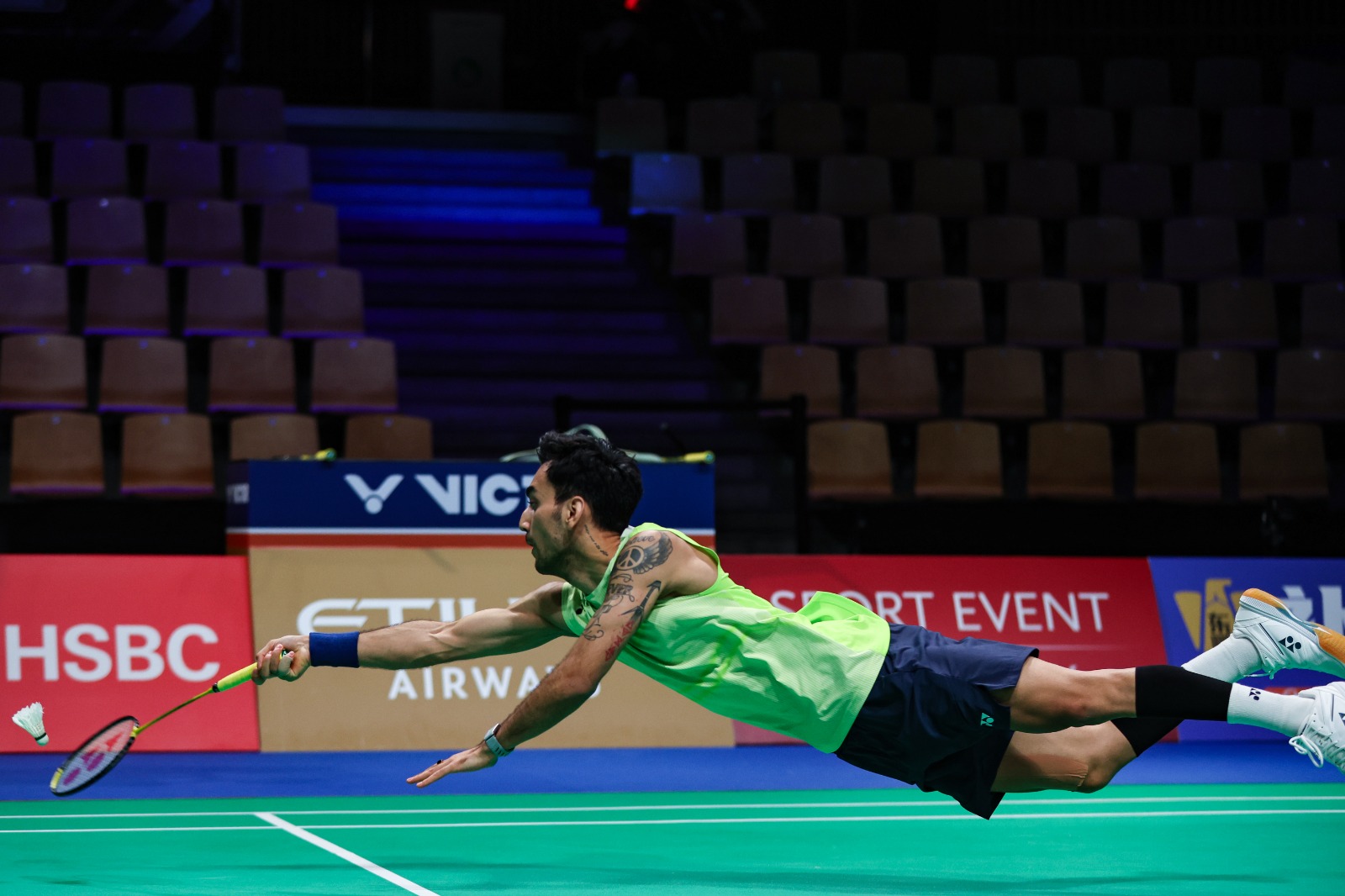
That tie in Chengdu, which ended 1–3, carried far more weight than the scoreline suggested. Lakshya Sen’s victory over Li Shifeng and the competitive nature of the doubles rubbers indicated a clear shift. India were not just competing they were beginning to match China tactically and physically.
Closing the Gap: Power, Depth and the New Identity
The 2026 Thomas Cup tie in Horsens represents the clearest evidence of India’s evolution. The 2–3 result was not a narrow escape for China it was a hard-fought contest decided deep into the tie, with momentum shifting multiple times. What stood out was not just the scoreline, but how India achieved it.
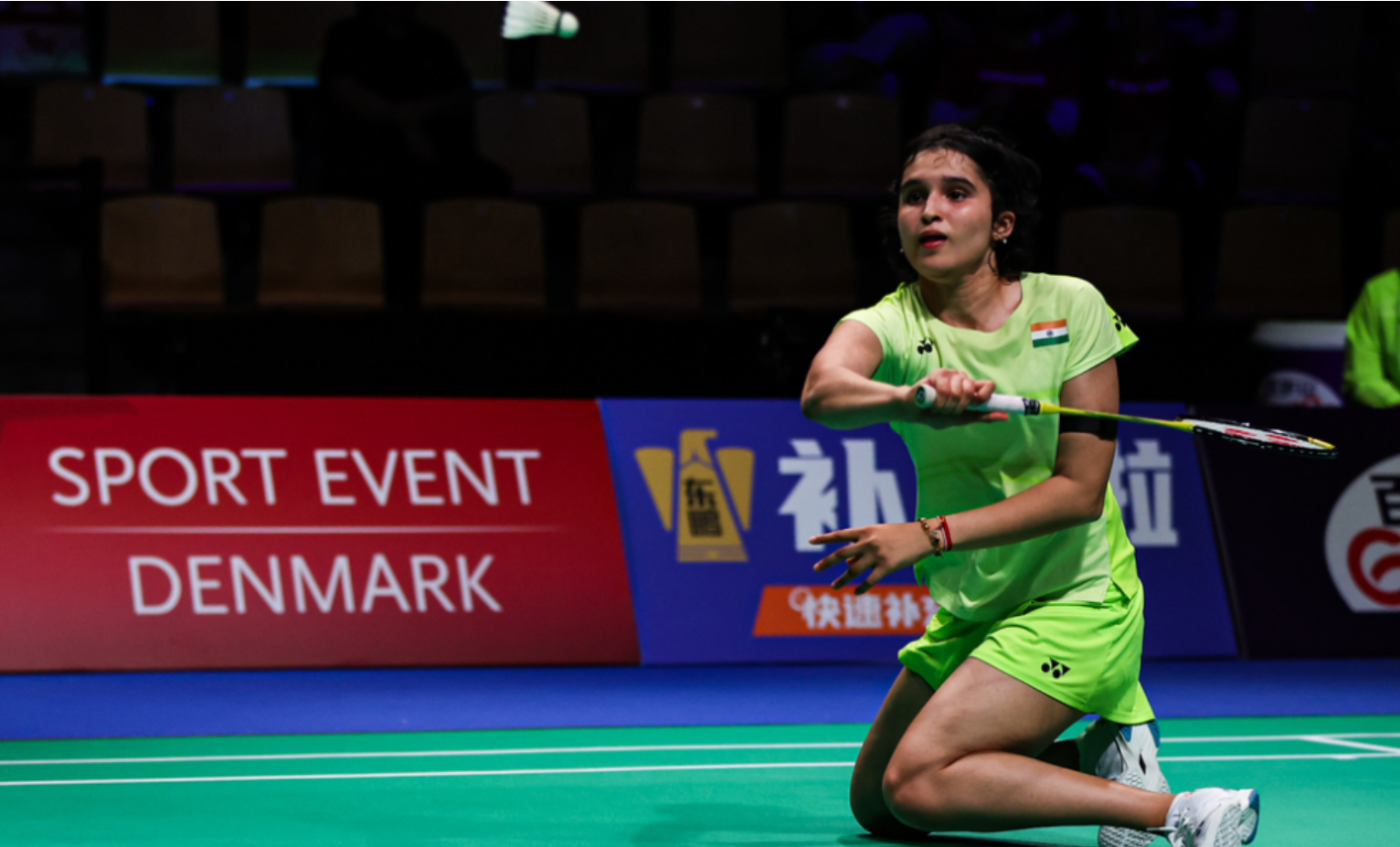
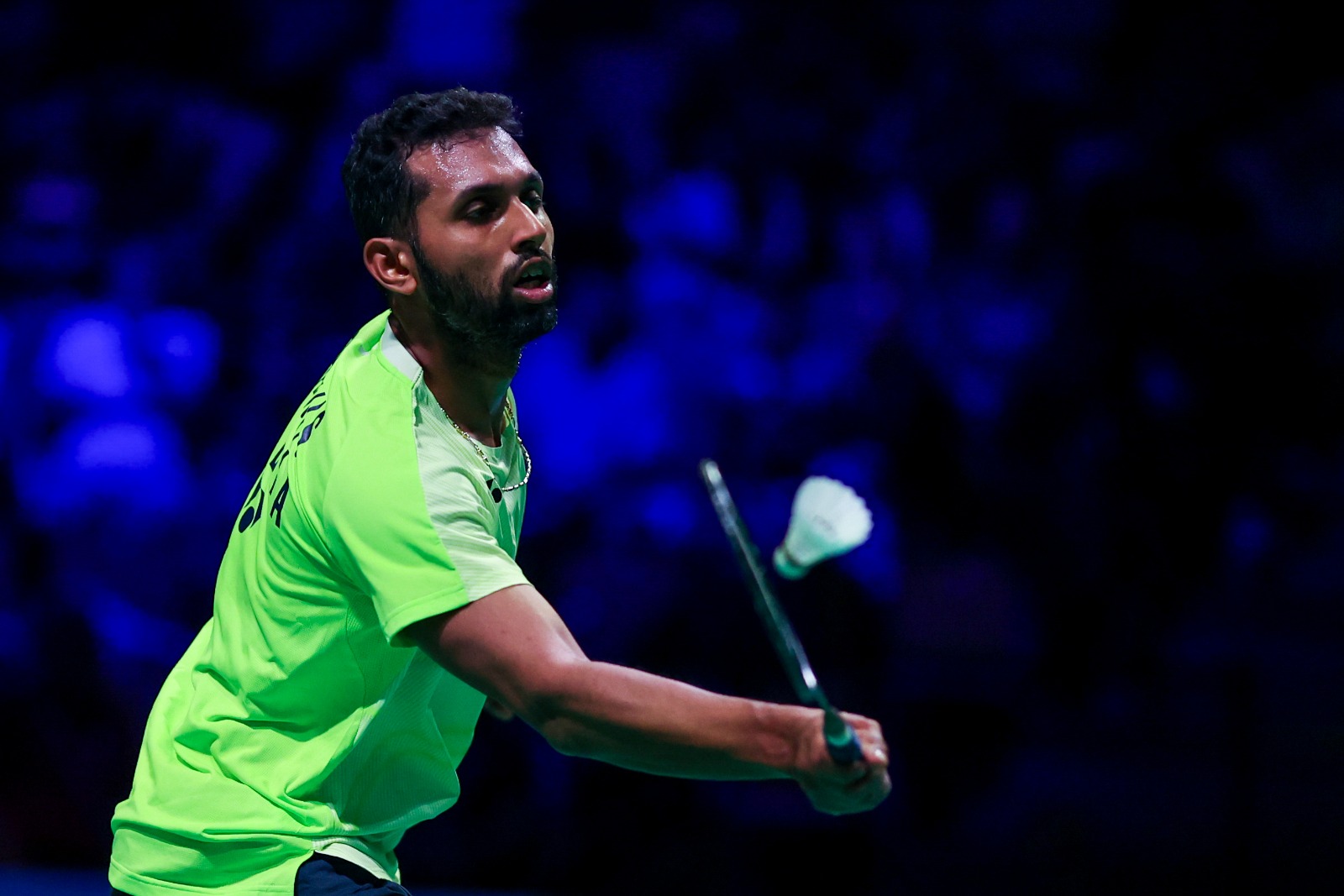
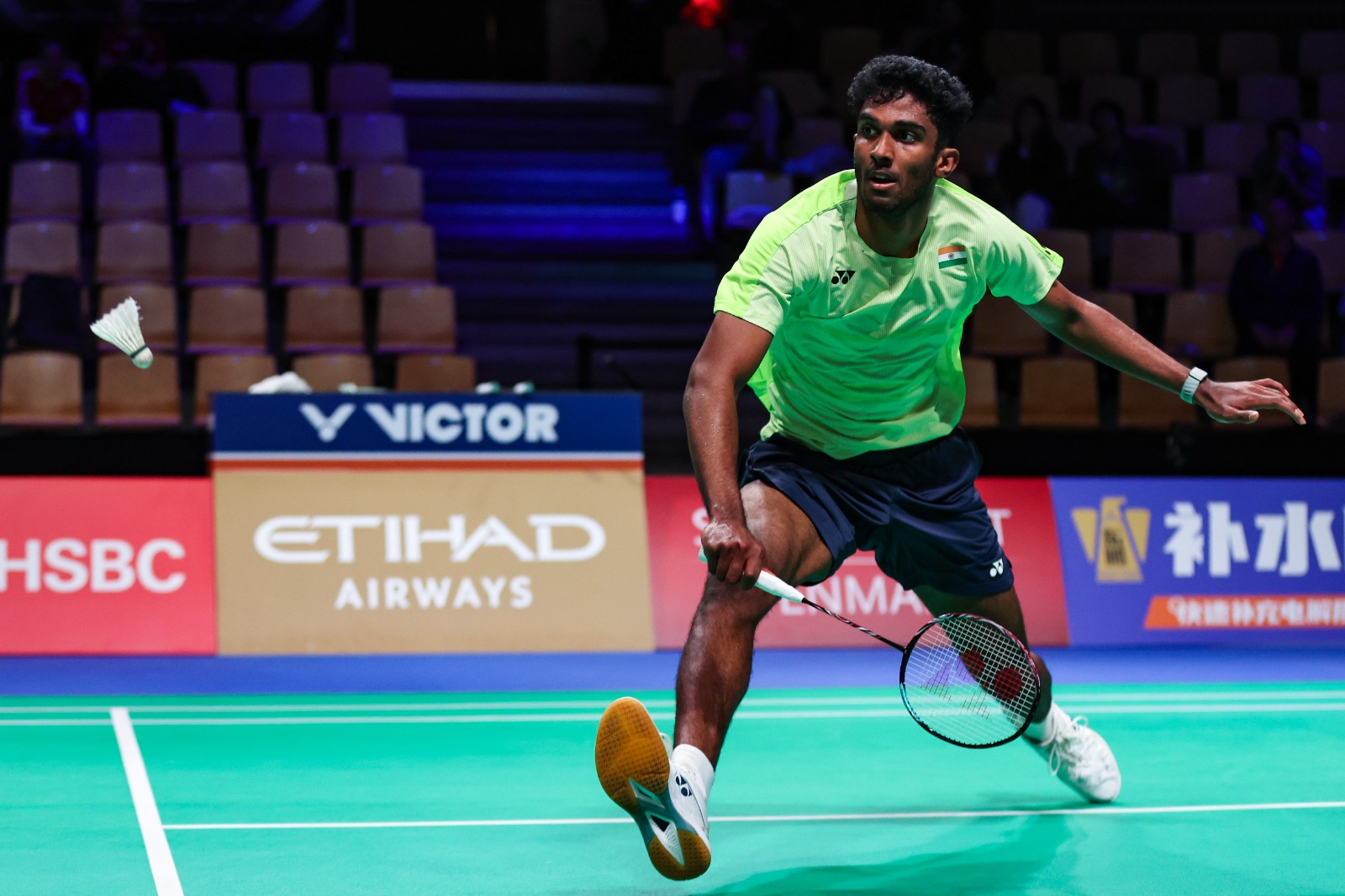
Ayush Shetty’s emergence as a reliable second singles option marked a significant development. His ability to recover from a game down and dominate phases of the match reflected a maturity that India had previously lacked in that slot. At the same time, HS Prannoy’s performance in the final rubber turning a deficit into a win underlined the depth and experience now present in the squad.
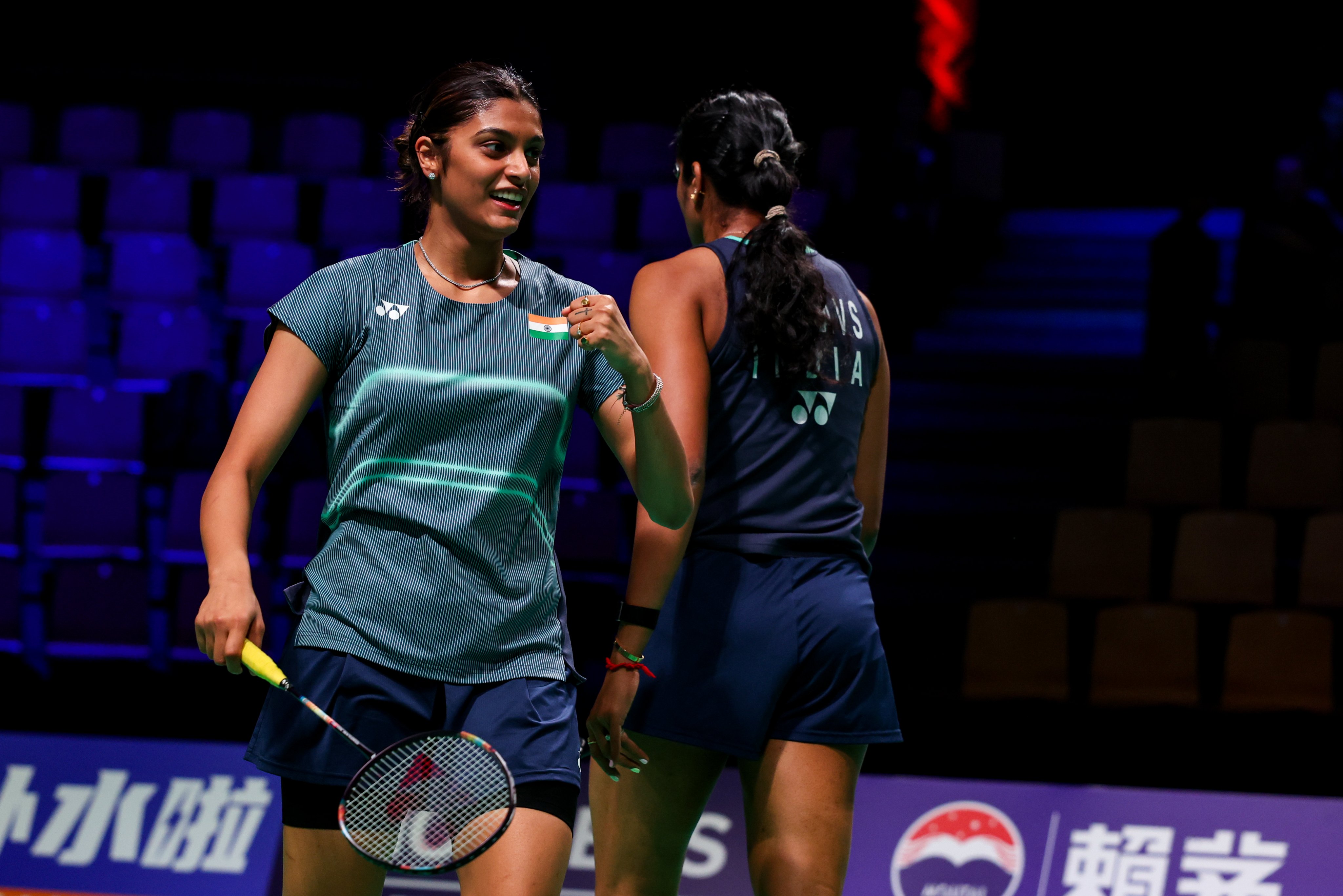
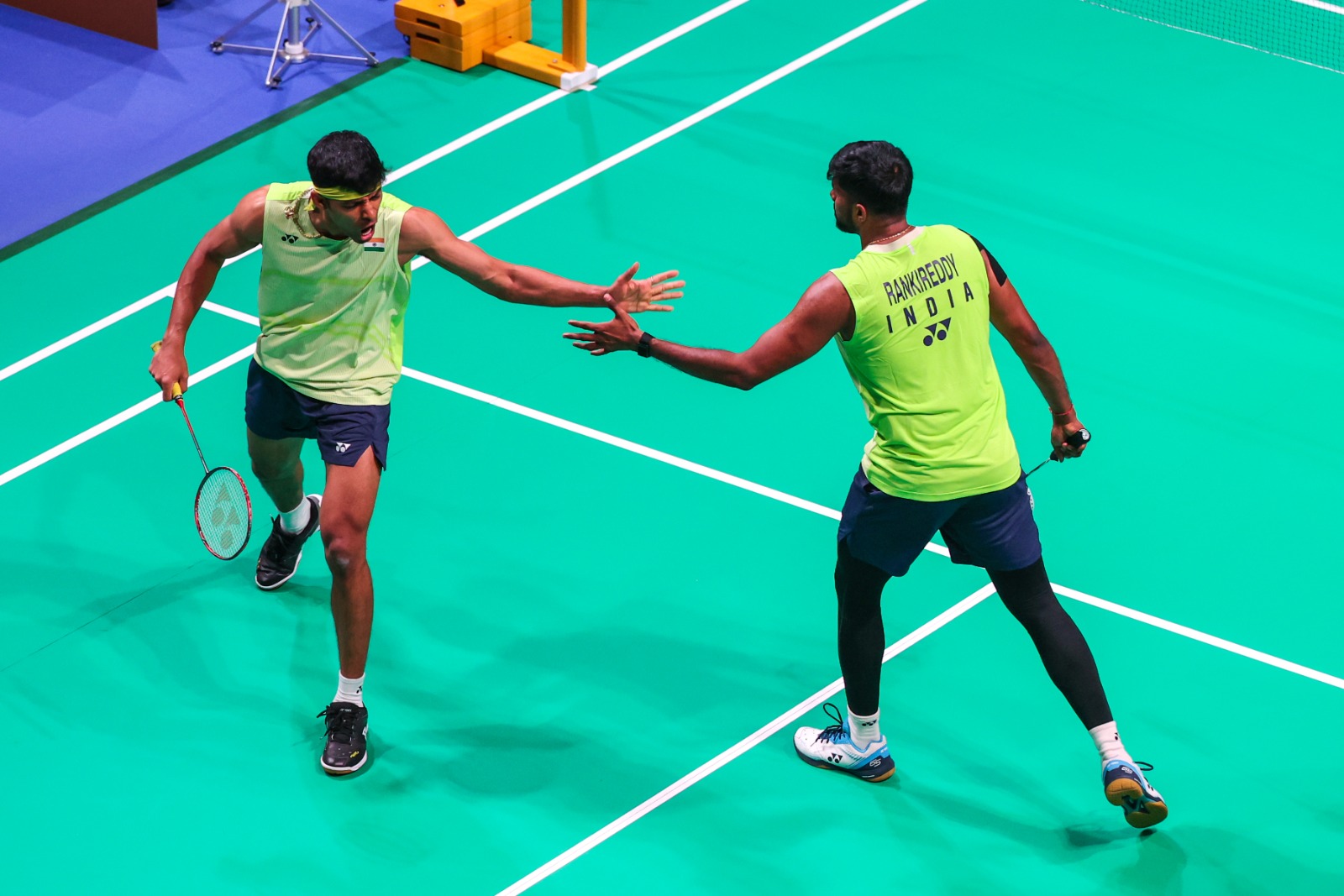
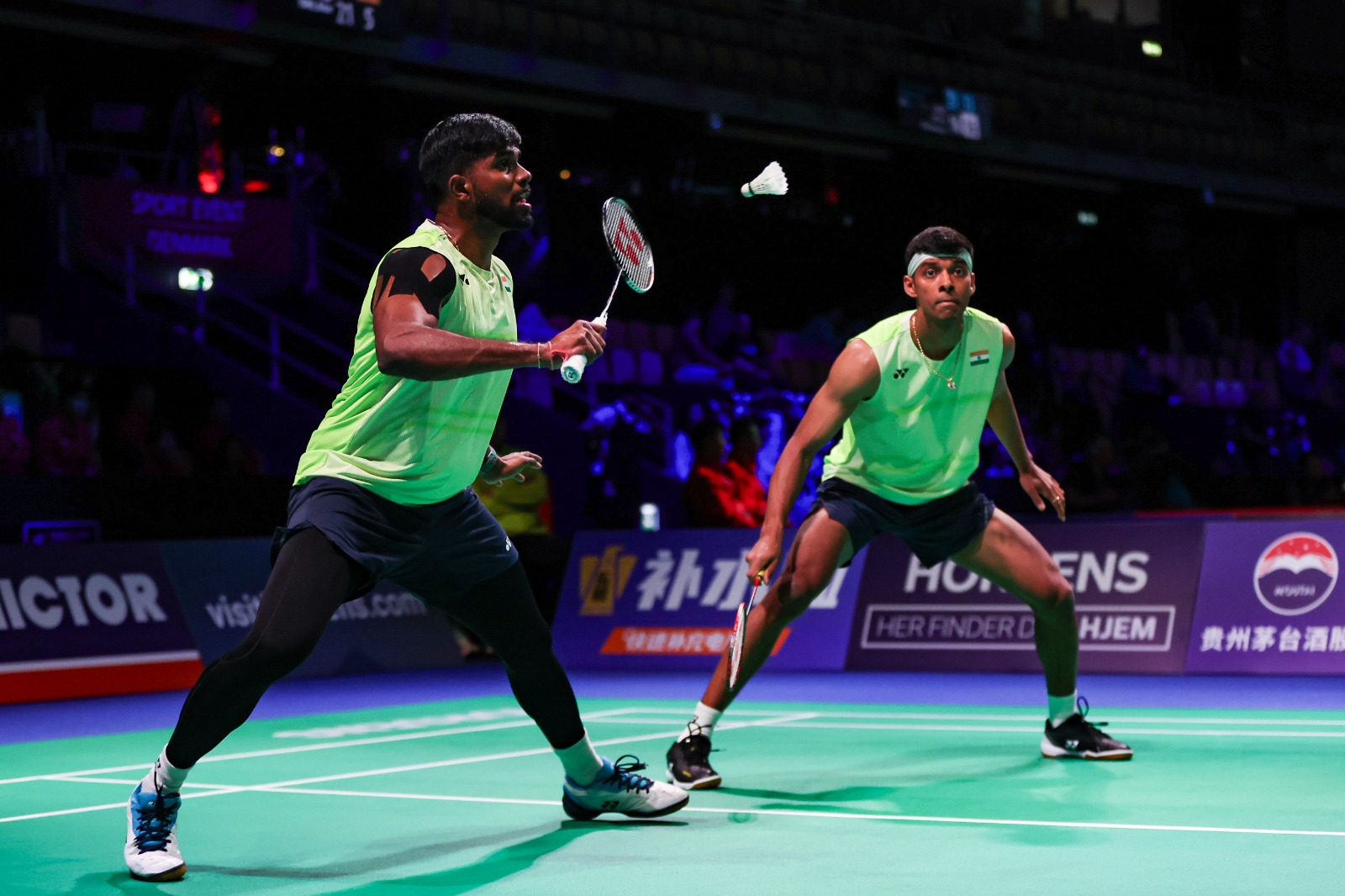
Perhaps the most telling indicator of change, however, came in doubles. Once considered India’s weakest link, it has now become a genuine strength. Satwiksairaj Rankireddy and Chirag Shetty pushed one of the world’s best Chinese pairs to a 26–24 decider, a match that could have easily tilted the other way. This ability to compete and nearly win in high-pressure doubles encounters has fundamentally altered India’s position in team events.
Technically, Indian badminton has also undergone a visible transformation. The traditional reliance on finesse and rally construction has been complemented by a more aggressive, power-driven approach. Players now generate greater pace, sustain higher physical intensity, and transition more effectively between defence and attack. This blend of power and control has allowed India to match China in areas where they were once outclassed.
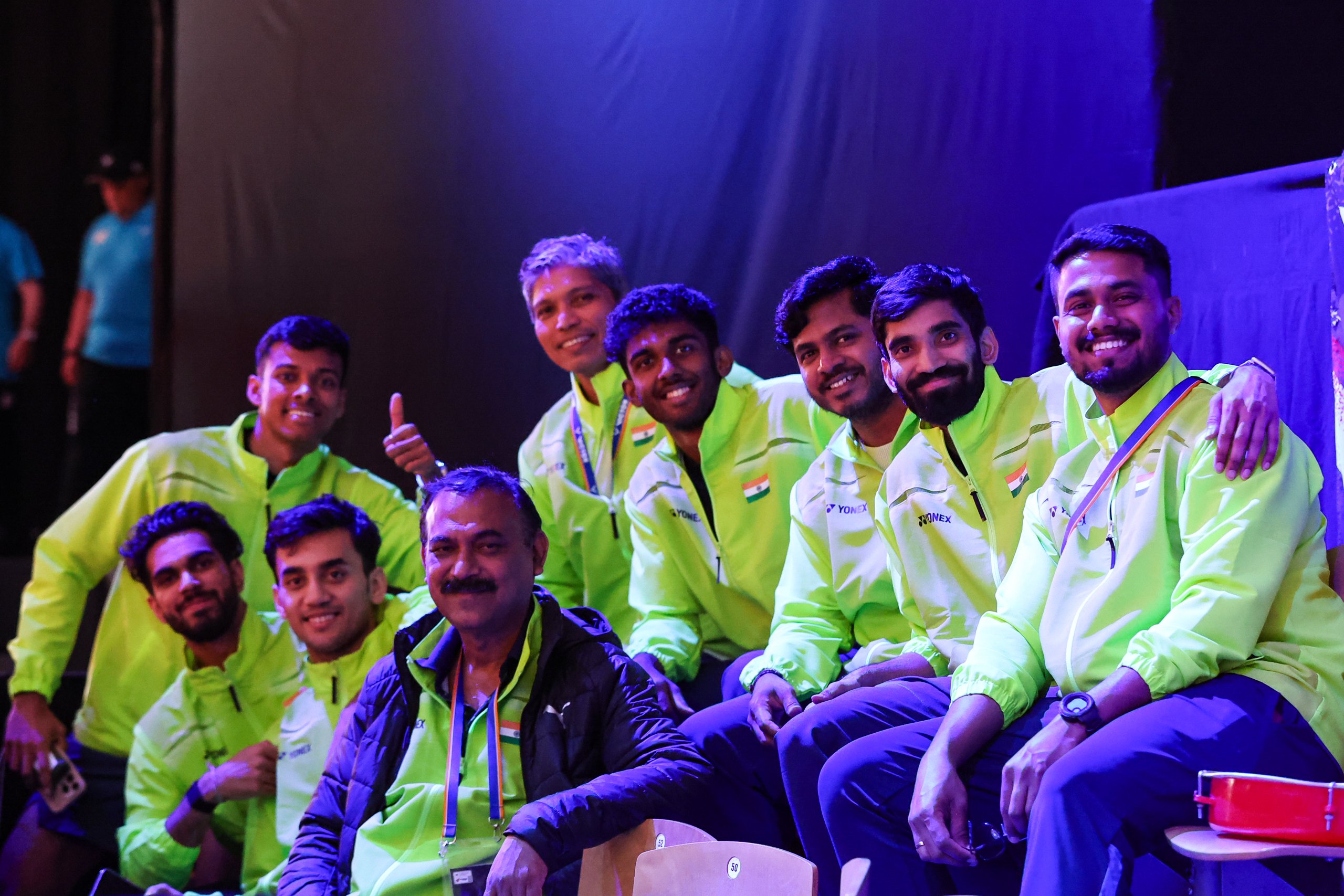
Yet, the final step remains. The difference between 2–3 and 3–2 is not just about skill it is about execution in decisive moments. China still hold the edge in closing tight matches and maintaining consistency across all five rubbers. What the last four Thomas Cup cycles show, however, is undeniable. India have moved from being participants to genuine contenders. They have built the depth, developed the systems, and, most importantly, cultivated the belief required to challenge the very best.
The result in 2026 may officially go down as another loss. But within that scoreline lies a different reality one where India are no longer chasing China, but steadily closing in on them.
Comments (0)
to post comments, replies, and votes.
Loading comments…