

Indian Football Suffers Massive AFC Blow as Super Cup Loses Asian Slot After Continental Failures

Indian football has suffered one of its biggest continental setbacks in recent years after the Asian Football Confederation (AFC) drastically reduced India’s club competition slots for the 2027–28 cycle.
The most significant blow is that the winner of the AIFF Super Cup will no longer receive any pathway into Asian club competitions. Instead, only the Indian Super League (ISL) champions will receive a solitary playoff berth in the third-tier AFC Challenge League qualifiers. For a football ecosystem that once aimed to establish itself among Asia’s emerging powers, the downgrade represents a harsh reality check. And according to AFC rankings and regulations, this collapse was entirely self-inflicted.
India have now fallen to 26th overall and 15th in the AFC West Region rankings, slipping below countries such as Kuwait, Tajikistan, Kyrgyzstan, and Lebanon. The AFC’s coefficient system rewards clubs based on continental performances across an eight-year rolling cycle. Wins, draws, and knockout-stage progress all contribute valuable ranking points.
Unfortunately for India, recent campaigns delivered almost nothing.
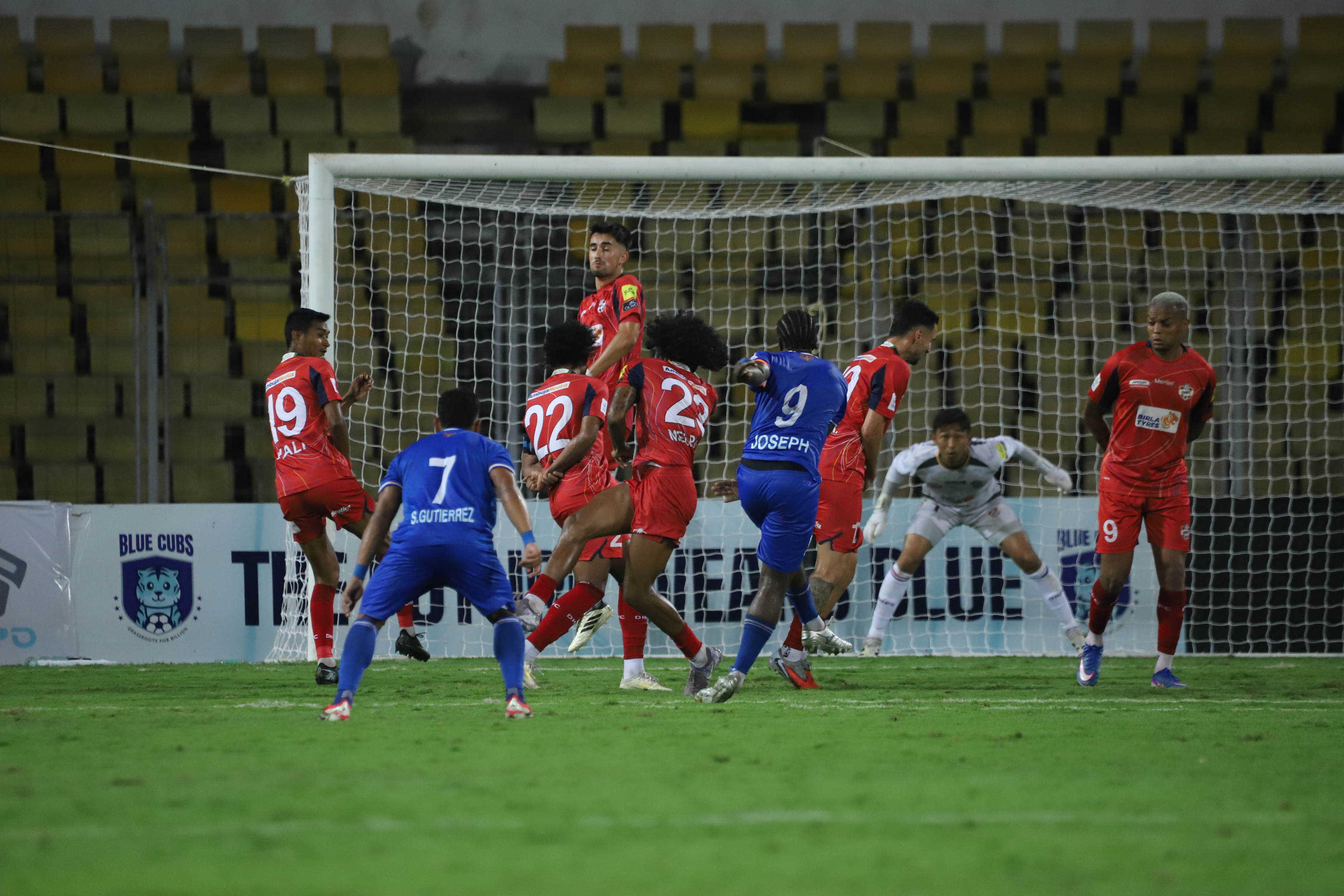
FC Goa’s disastrous 2025–26 AFC Champions League Two campaign proved particularly damaging. The Goan side lost all six group-stage matches, scored only three goals, conceded fourteen, and failed to collect a single point. Mumbai City FC had earlier endured a similarly humiliating AFC Champions League campaign, losing all six group-stage matches in 2023–24 with a goal difference of -16.
At continental level, Indian clubs have consistently looked physically slower, tactically underprepared, and defensively vulnerable against West Asian opposition.
However, poor performances alone were not the only reason for India’s ranking collapse. The biggest damage came from Mohun Bagan Super Giant’s consecutive withdrawals from AFC competitions involving travel to Iran. In 2024–25, Mohun Bagan refused to travel to face Tractor SC in Iran due to escalating geopolitical tensions in the region. The AFC rejected their request for postponement or venue relocation and subsequently treated the club as having withdrawn from the tournament entirely.
The consequences were severe.
All of Mohun Bagan’s results from that campaign were nullified, meaning India lost valuable coefficient points. Shockingly, the situation repeated itself again in 2025–26 when Mohun Bagan refused to travel to Isfahan for a fixture against Sepahan SC.
Indian football’s administrative instability also contributed heavily to the downgrade. The 2025–26 ISL season itself was severely disrupted due to legal disputes surrounding the AIFF constitution and delays involving commercial agreements between the federation and Football Sports Development Limited (FSDL). As a result, the ISL season was compressed into a shortened single-leg format where clubs played only 13 league matches.
This created another major problem. AFC regulations require domestic leagues to run for at least eight months & ensure clubs play a minimum of 24 competitive matches
India failed both criteria. The AIFF reportedly requested a special exemption from the AFC, but the request was rejected. Consequently, India’s direct continental slots were downgraded into indirect playoff berths even before the latest ranking collapse was finalized.
The removal of the Super Cup’s continental slot significantly reduces the competitive value of the tournament. Previously, the Super Cup provided clubs outside the ISL title race a realistic route into Asia. Now, that pathway has disappeared completely. This also creates broader financial and sporting consequences.
Without regular Asian participation, Indian clubs risk becoming even more isolated from the continent’s elite football structure.
Perhaps the most worrying aspect is the widening competitive gap between India and the rest of Asia. Countries like Uzbekistan, Jordan, Bahrain, and Tajikistan continue to outperform Indian clubs despite operating with significantly smaller football economies. Meanwhile, Saudi Arabian clubs, backed by massive investment and elite infrastructure, have pushed the standard of Asian club football even higher.
The AFC downgrade should serve as a major warning sign for Indian football stakeholders. The obsession with short-term marketing narratives around the ISL has often masked deeper structural weaknesses. Continental football, however, exposes those weaknesses brutally.
If Indian football wants to rebuild its standing, the priorities are now obvious stabilise the domestic calendar, ensure AFC regulatory compliance, improve squad quality and tactical preparation, develop stronger youth systems & handle geopolitical and administrative challenges professionally
Because right now, Indian football is no longer climbing the Asian ladder.
It is sliding backwards.
Comments (0)
to post comments, replies, and votes.
Loading comments…


.jpg)
.jpg)