
India Set New National Record in Mixed 4x100m Relay at World Athletics Relays 2026
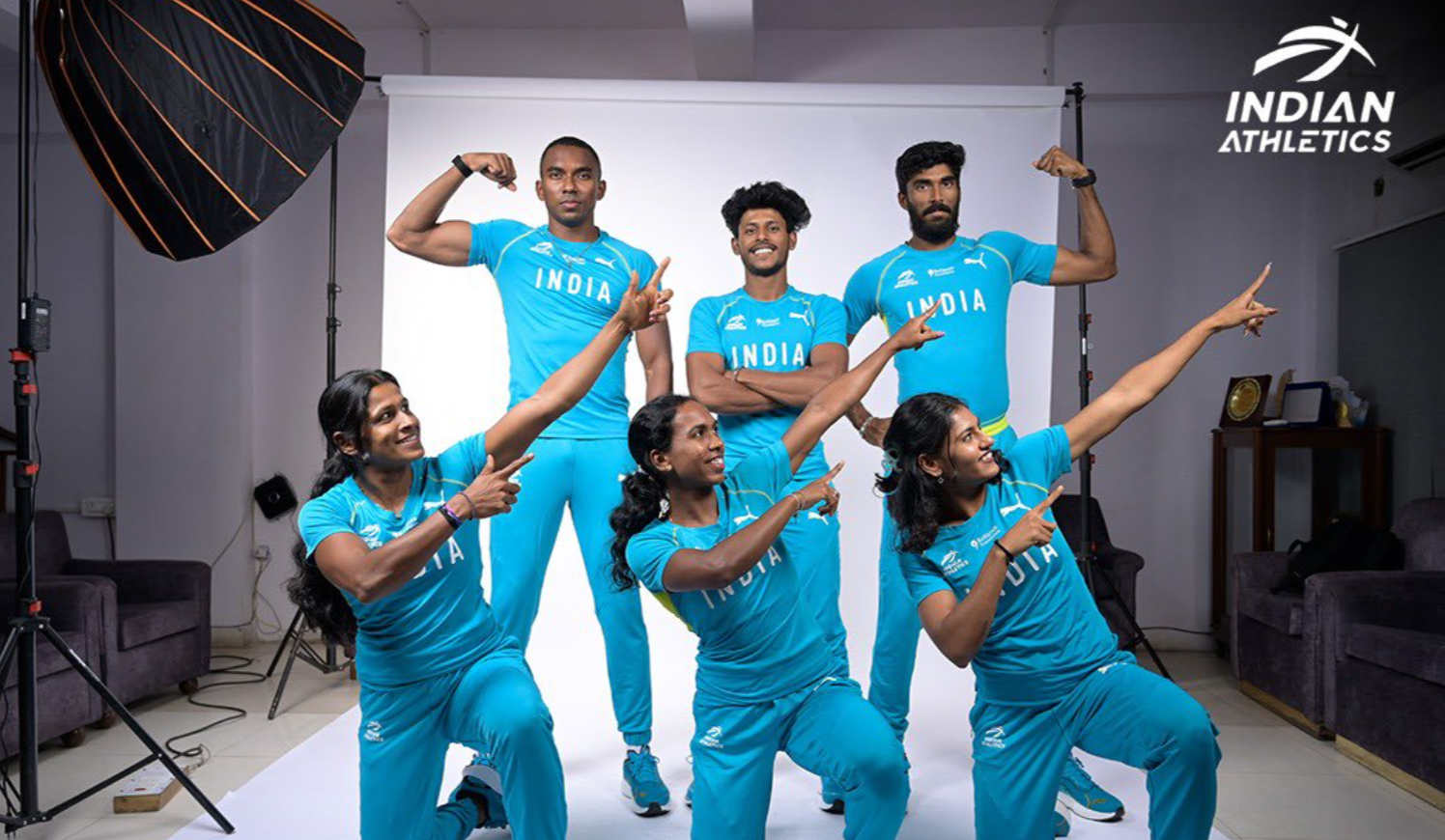
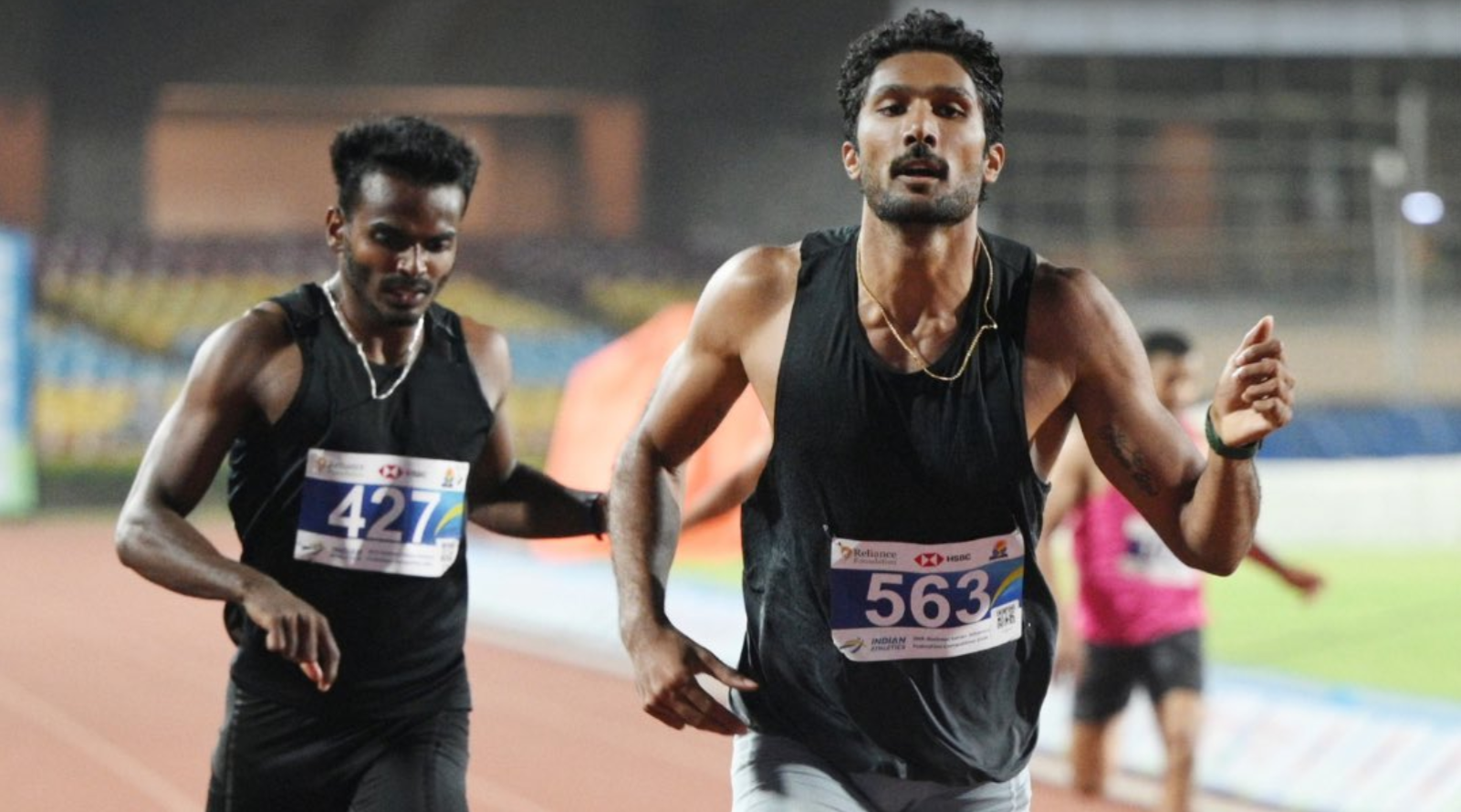
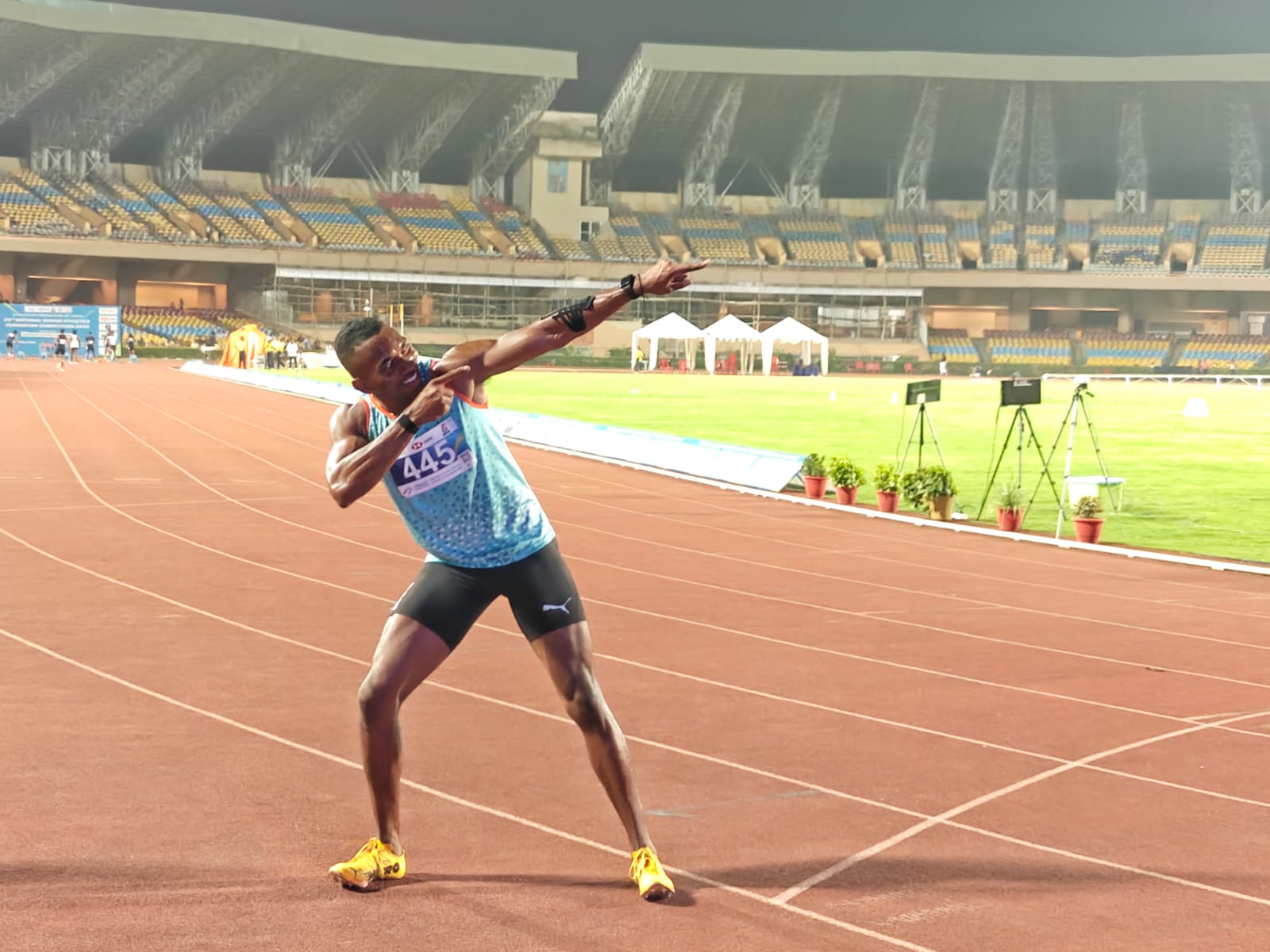
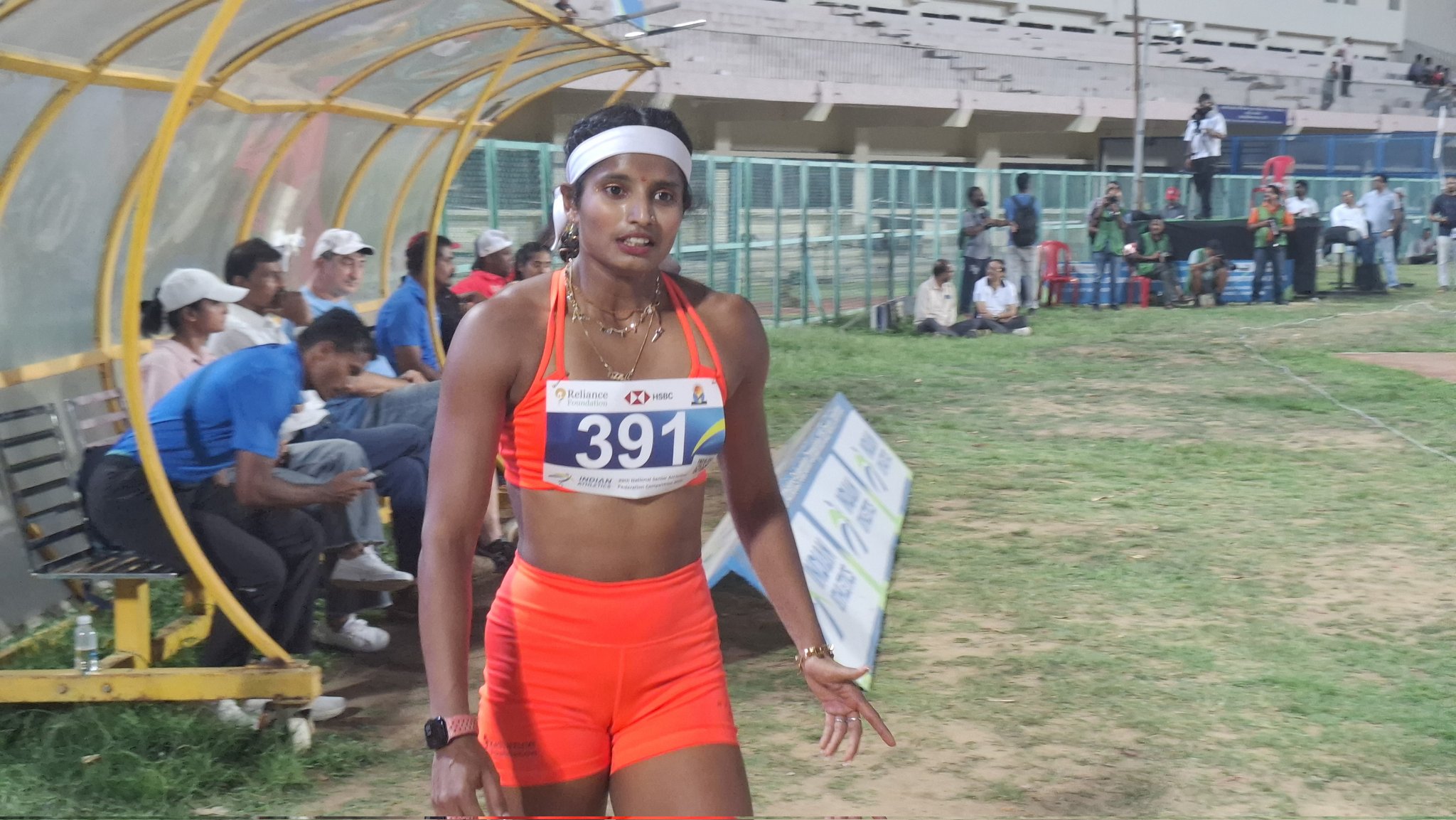
India’s mixed 4x100m relay team delivered one of the standout moments of the country’s campaign at the World Athletics Relays 2026 in Gaborone by setting a new national record in the event, clocking 41.35 seconds on Day 2 of the competition.
The quartet of Ragul Kumar, Nithya Gandhe, Animesh Kujur and SS Sneha finished sixth in their repechage heat, but the timing itself carried significant importance for Indian athletics. The performance improved India’s previous best in the event by nearly a full second, underlining the rapid development of the country’s sprint relay program in newer relay disciplines.
At a championships that otherwise brought frustration for India through baton drops, disqualifications and injury setbacks, the mixed 4x100m relay team provided a genuine positive. The event itself is still relatively new at the international level and has quickly emerged as one of the most exciting additions to global relay competitions. Featuring two men and two women in alternating order, the race demands not only speed but also extremely precise baton exchanges between athletes with differing stride patterns and acceleration profiles.
For India, the race represented both a challenge and an opportunity.
The country entered the championships with limited experience in the mixed sprint relay format, but the quartet adapted impressively against elite international competition. More importantly, they managed to execute clean baton exchanges something that proved difficult for several other Indian relay teams during the two-day competition. Ragul Kumar started the race steadily, keeping India competitive during the opening leg before handing over to Nithya Gandhe. Nithya maintained momentum through the second leg and ensured India remained within touching distance of stronger sprinting nations.
The biggest highlight of the race came during the third leg from Animesh Kujur.
The young sprinter produced a brilliant run around the curve, aggressively attacking the stagger and significantly closing the gap on teams ahead. His speed and composure during the crucial bend gave India valuable momentum entering the final exchange. SS Sneha then anchored the team home strongly to complete the race in 41.35 seconds.
While the timing was not enough to secure qualification for the World Championships, it marked a major step forward for Indian sprint relays. Considering the relative lack of experience in the event and limited preparation time together, the performance demonstrated clear potential for future development. Importantly, the record came on a day when Indian athletics badly needed something positive.
The men’s 4x400m relay team, India’s biggest qualification hope, failed to finish after Amoj Jacob suffered a cramp during the second leg. The men’s 4x100m team was disqualified once again for an exchange-zone violation, while the women’s 4x100m team dropped the baton during the opening exchange. Against that backdrop, the mixed 4x100m performance stood out as a reminder that Indian sprinting still possesses exciting raw talent capable of competing internationally.
The performance also highlighted the growing importance of relay specialization. Historically, India’s success in relay events has been concentrated almost entirely in the 4x400m disciplines, particularly in the men’s and mixed relays. Sprint relays, however, have traditionally lagged behind because of technical inconsistencies, especially baton exchanges.
But the mixed 4x100m relay showed encouraging signs. The baton changes were significantly cleaner, the running order appeared balanced and the athletes looked increasingly comfortable under pressure against world-class opposition. With more dedicated relay camps and technical preparation, there is clear room for further improvement. Animesh Kujur’s performance, in particular, reinforced why he is regarded as one of India’s most promising sprinters. His aggressive third leg brought energy to the race and demonstrated the type of sprinting ability India will need heading into the 2026 Asian Games and beyond.
The event also offered Indian athletics valuable international exposure in a format likely to become increasingly prominent globally over the coming years.
At the same championships, Jamaica created history by becoming the first nation to run under 40 seconds in the mixed 4x100m relay, clocking a stunning 39.99 seconds to break the world record. Competing in an environment where global sprinting standards continue to rise rapidly provides Indian athletes with important learning opportunities.
For India, the focus now shifts toward building consistency. The raw speed within the sprint squads is clearly improving, but technical execution remains the biggest challenge. The national record in the mixed 4x100m relay proves that progress is happening, but sustained success at the Asian and global level will require cleaner exchanges, better race management and more exposure at elite competitions.
Still, amid a difficult overall campaign in Gaborone, the mixed 4x100m relay team gave Indian athletics a genuine reason for optimism.
A new national record on the world stage may not have brought medals or qualification, but it showed that Indian sprint relays are gradually moving in the right direction.
Comments (0)
to post comments, replies, and votes.
Loading comments…