China Secures FIFA World Cup 2026 Broadcast Rights While India Still Waits for Deal
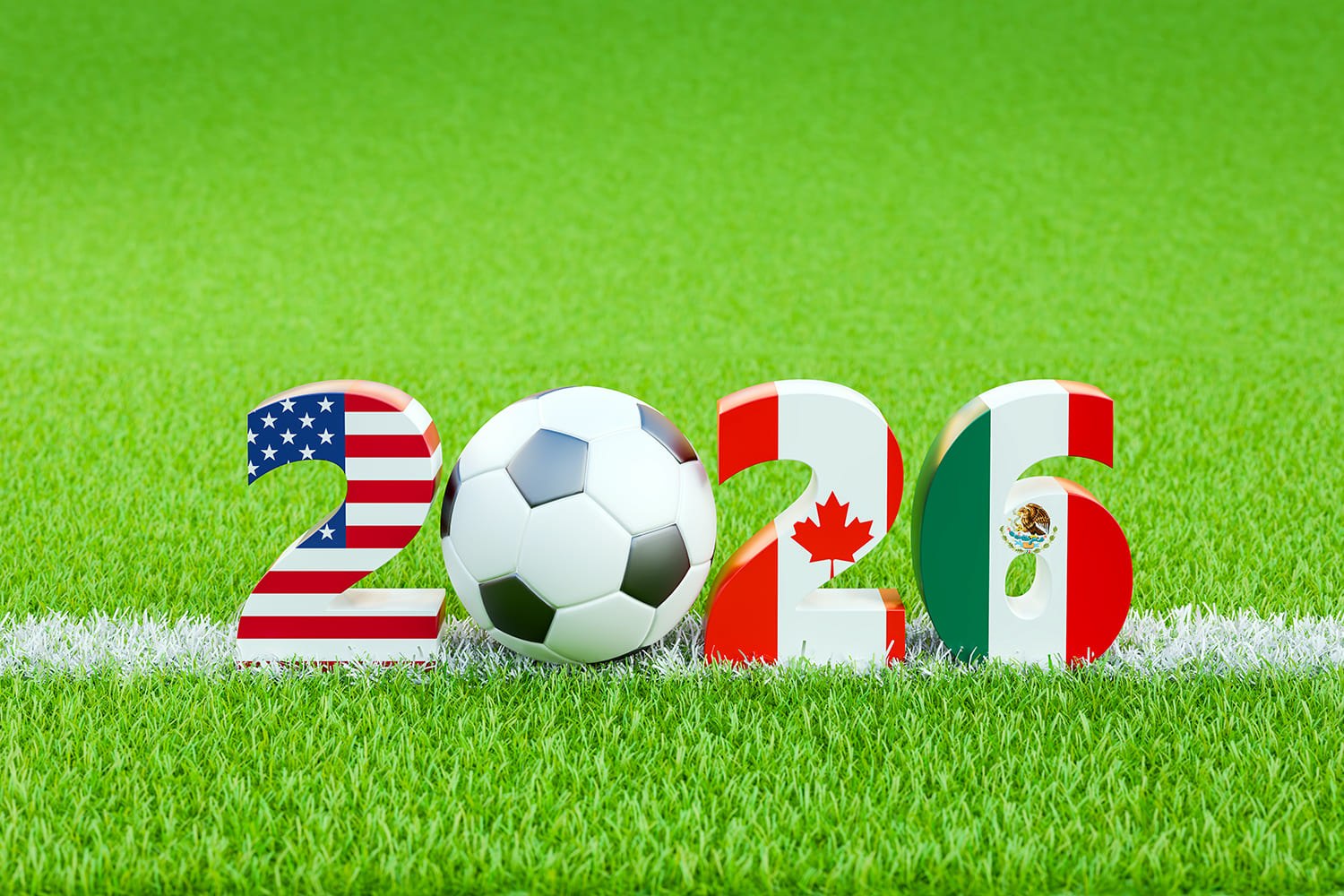
FIFA has officially finalised a broadcasting agreement with China Media Group (CMG) for the FIFA World Cup 2026 and several future FIFA tournaments, ending months of negotiations that reportedly saw the governing body dramatically reduce its initial valuation demands.
The agreement gives CMG broadcast rights in China for the FIFA World Cup 2026, FIFA World Cup 2030, FIFA Women’s World Cup 2027, and FIFA Women’s World Cup 2031. However, while China has now secured its deal, uncertainty continues in India, where no official broadcaster for the 2026 FIFA World Cup has yet been confirmed despite the tournament being only weeks away.
The China deal has attracted significant attention due to the reported scale of FIFA’s original asking price. According to multiple reports, FIFA initially sought between $250 million and $300 million for the Chinese rights package. However, negotiations reportedly became difficult as broadcasters pushed back against the valuation.
The asking price is believed to have gradually dropped from around $150 million to $120 million before eventually settling near the $60 million mark.
The final agreement reflects a broader reality facing sports broadcasting markets globally: even premium properties like the FIFA World Cup are now facing tougher commercial negotiations amid changing television economics and digital consumption patterns. For FIFA, the reduction represents a significant compromise considering China remains one of the largest football audiences in the world.
Despite not qualifying consistently for the tournament itself, China continues to be one of FIFA’s most valuable global markets. During the 2022 FIFA World Cup in Qatar, China reportedly generated around 550 million viewers, accounting for nearly 17.7 percent of the tournament’s total global television reach. The country also contributed almost half of FIFA’s global digital and social media viewing hours during the event Those numbers explain why securing a Chinese broadcaster remained critical for FIFA despite the eventual reduction in rights fees.
The agreement with CMG ensures FIFA maintains visibility and commercial stability in one of football’s biggest consumer markets heading into the expanded 48-team World Cup in North America.
While China’s deal is now complete, India remains without an official broadcast partner for football’s biggest tournament. The situation has become increasingly notable given the size of the Indian sports market and the growing popularity of international football in the country. Reports suggest FIFA initially demanded close to $100 million for the Indian rights package. However, broadcasters are believed to have valued the deal significantly lower, with offers reportedly closer to the $20 million range.
The gap between FIFA’s expectations and broadcaster valuations has delayed any formal agreement. Several factors appear to be influencing the Indian market hesitation.
Late-Night Timings Impact Indian Market
One of the major commercial challenges for the FIFA World Cup 2026 in India is scheduling. With the tournament being hosted across the United States, Canada, and Mexico, many matches will be played late at night or in the early morning hours according to Indian Standard Time. That creates uncertainty around television ratings and advertiser value compared to previous editions held in more favourable time zones for Asian audiences.
Broadcasters also remain cautious about large rights investments amid rising competition from digital streaming platforms and changing viewing habits. Unlike cricket, which guarantees massive domestic advertising returns in India, football broadcasting still operates within tighter commercial margins despite a passionate fanbase.
At present, no official confirmation has emerged regarding which Indian network could eventually secure the rights. Potential contenders are believed to include JioHotstar, Sony Sports Network, and possibly DD Sports if a government-supported arrangement becomes necessary closer to the tournament.
Given the scale of the event, most observers still expect a deal to eventually materialise before kickoff. However, the delay itself highlights how complicated sports media negotiations have become even for premium global properties.
The 2026 FIFA World Cup will be the largest in history, featuring 48 teams and 104 matches across North America. For FIFA, the expanded format is designed to increase global reach, commercial opportunities, and audience engagement. But it also increases the pressure on securing major broadcasting markets efficiently.
India, despite not being a traditional football powerhouse, represents one of the world’s fastest-growing digital sports audiences. The 2022 FIFA World Cup reportedly attracted around 84 million viewers from India a number significantly lower than China’s figures but still commercially substantial.
That audience potential makes the absence of a confirmed broadcaster particularly striking.
The contrasting situations in China and India also reflect broader shifts within global sports broadcasting. Rights valuations that once grew rapidly are now facing greater scrutiny from networks balancing rising costs, fragmented audiences, and evolving digital consumption trends. Even FIFA, arguably the most powerful football brand globally, has been forced to adjust expectations during negotiations. For football fans in India, however, the immediate concern remains straightforward: ensuring access to the 2026 FIFA World Cup once the tournament begins.
With the countdown already underway, attention now shifts toward whether FIFA and Indian broadcasters can finally bridge the financial gap before kickoff arrives.
Comments (0)
to post comments, replies, and votes.
Loading comments…

.jpg)