
Ashmita Chaliha’s Malaysia Masters Run Ends In Quarterfinals After Fighting Display Against Line Kjaersfeldt
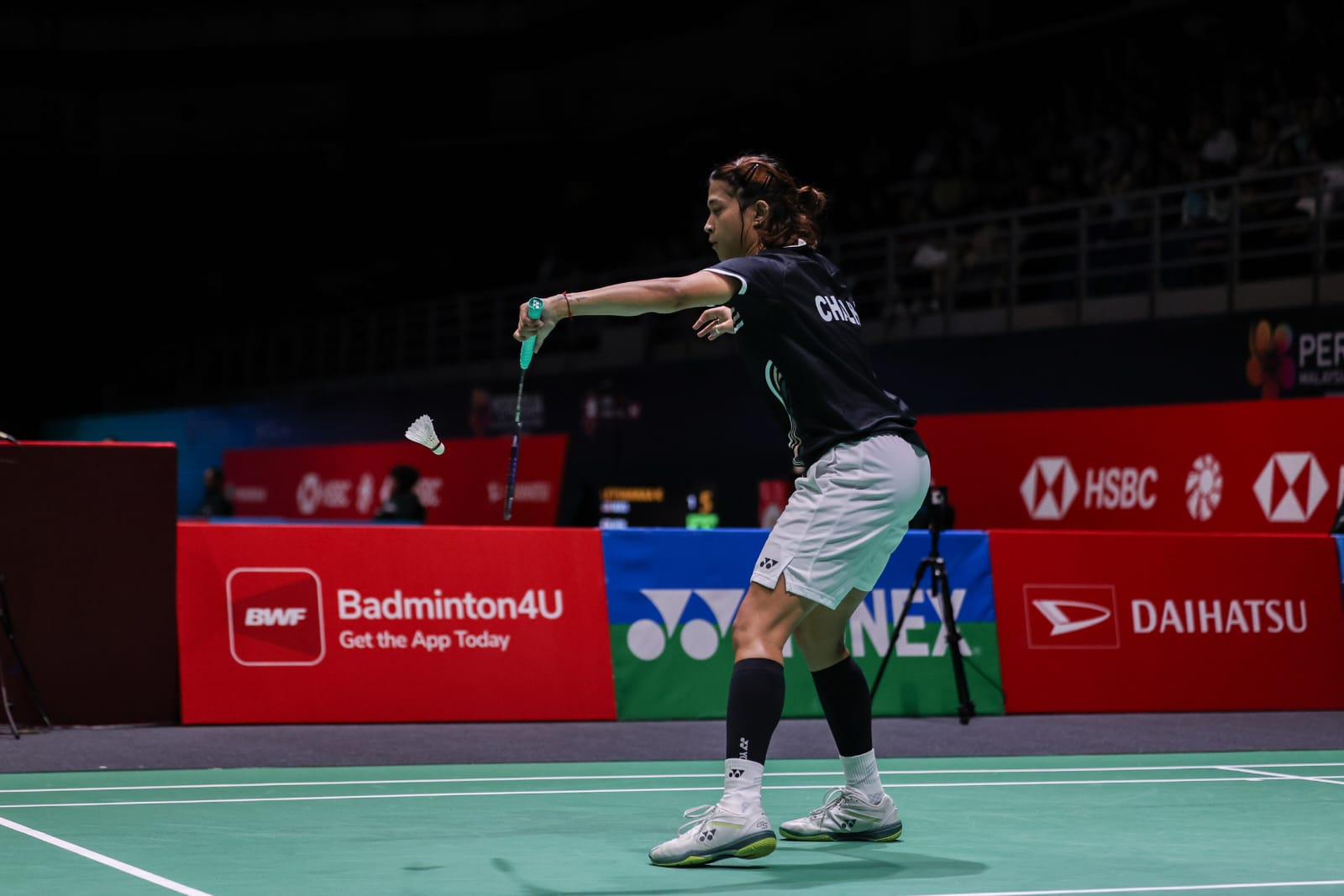
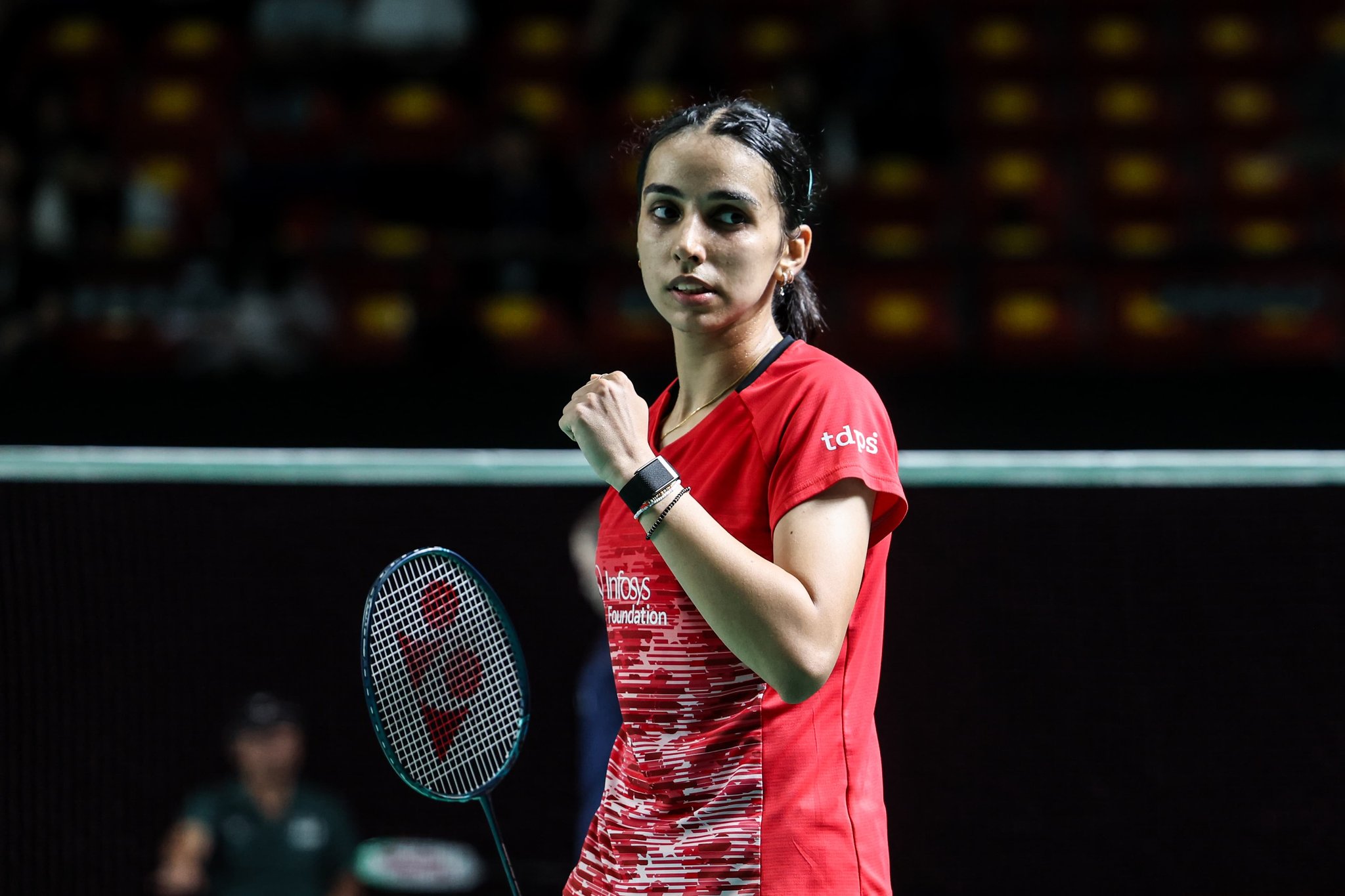
India’s campaign at the Malaysia Masters 2026 came to an end on Friday after Ashmita Chaliha suffered a hard-fought three-game defeat against Denmark’s eighth seed Line Højmark Kjaersfeldt in the women’s singles quarterfinals.
The Indian shuttler, who had entered the tournament through the qualifying rounds, went down 23-21, 18-21, 11-21 in a contest that lasted over an hour at the Axiata Arena in Kuala Lumpur.
Despite the defeat, Ashmita leaves Malaysia with plenty of positives after producing one of the best runs of her recent career at a major BWF World Tour event. Her quarterfinal finish marked the third Super 500 quarterfinal appearance of her career and underlined her growing consistency on the international circuit.
More importantly, the 2026 Malaysia Masters showcased signs that the left-handed Indian is gradually rediscovering the confidence and rhythm that once made her one of the country’s most promising women’s singles players.
Coming into the tournament, expectations surrounding Ashmita were relatively modest.
India’s women’s singles challenge had already been weakened by the absence of several senior names, and the spotlight largely remained on players like Lakshya Sen and HS Prannoy in the men’s draw. However, Ashmita quietly built momentum from the qualifying rounds and soon emerged as one of India’s biggest success stories of the week. Her breakthrough moment came in the round of 16 when she stunned Malaysia’s Goh Jin Wei in straight games. Ashmita dominated the home favourite 21-13, 21-16 in just 27 minutes, producing one of the cleanest attacking performances of the tournament by any Indian player.
That victory set up a quarterfinal clash against World No. 23 Line Kjaersfeldt a player who had already defeated two Indians during the tournament, including Malvika Bansod.
Ashmita started the match fearlessly.
The opening game quickly turned into a battle of patience and control, with both players engaging in long rallies from the baseline. Ashmita used her left-handed angles effectively while also showing excellent court coverage against the experienced Dane. The first game remained neck-and-neck throughout, but the Indian displayed remarkable composure during the closing stages. Under pressure at 21-all, Ashmita held her nerve brilliantly to take the game 23-21 and move within touching distance of the semifinals.
At that stage, India looked firmly alive in the tournament.
Ashmita even carried momentum into the second game and led 11-9 at the mid-game interval. Her defensive retrievals frustrated Kjaersfeldt repeatedly, while her sharp cross-court winners continued creating openings. But gradually, the momentum began shifting.
Kjaersfeldt increased the pace of rallies and started attacking more aggressively from the forecourt. The Dane also improved her shot placement significantly, forcing Ashmita deeper behind the baseline and reducing the Indian’s ability to dictate exchanges.
The turning point arrived late in the second game. After staying level for most of the contest, Ashmita lost control during a crucial stretch where Kjaersfeldt won several consecutive points to take the game 21-18 and force a decider. From there, the match changed completely.
The Danish player entered the third game with confidence and immediately established control through faster attacking exchanges. Ashmita, who had spent significant physical energy during the opening two games, struggled to maintain the same intensity.
Kjaersfeldt raced ahead early in the decider and never allowed the Indian an opportunity to recover. Ashmita’s movement slowed slightly, her lifts became shorter and the Dane capitalised ruthlessly to close out the game 21-11. With that, India’s challenge at the Malaysia Masters officially ended.
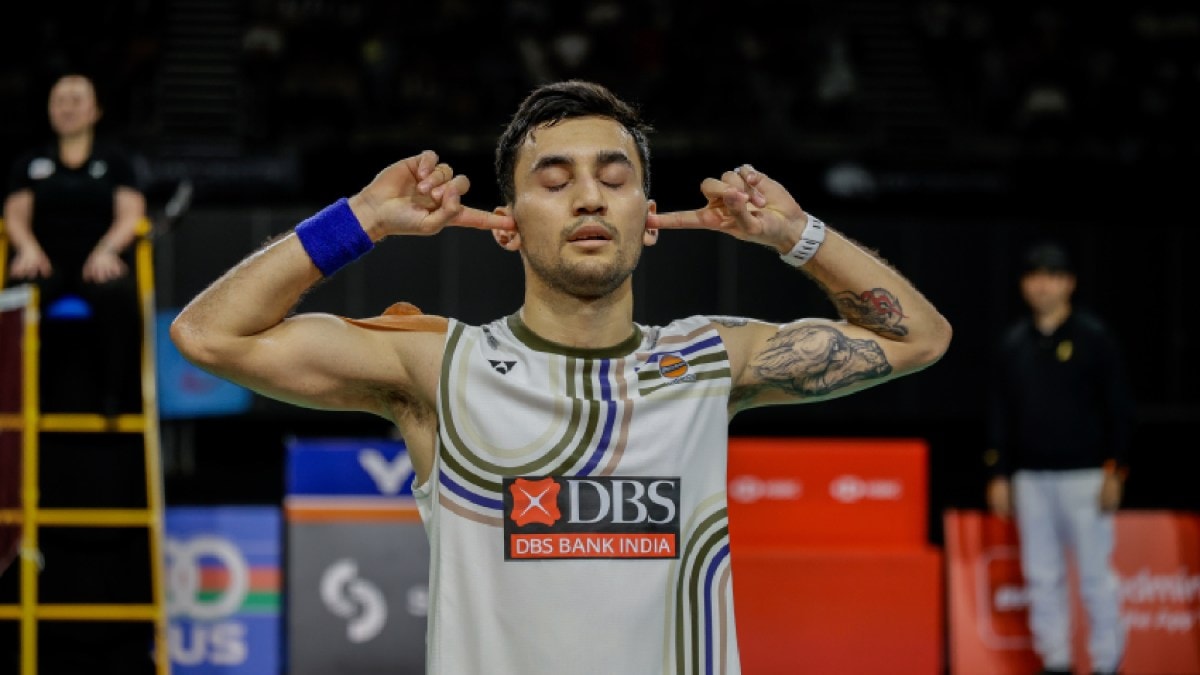
The result was disappointing, particularly because Ashmita had looked capable of producing a major upset after winning the opening game. Yet the broader picture remains encouraging for Indian badminton. India had entered the singles draws with 11 representatives seven women and four men but most leading names exited early. Lakshya Sen suffered a straight-games defeat against rising Indonesian talent Mohd Zaki Ubaidillah, while HS Prannoy narrowly lost a dramatic three-game battle against Japan’s Kodai Naraoka.
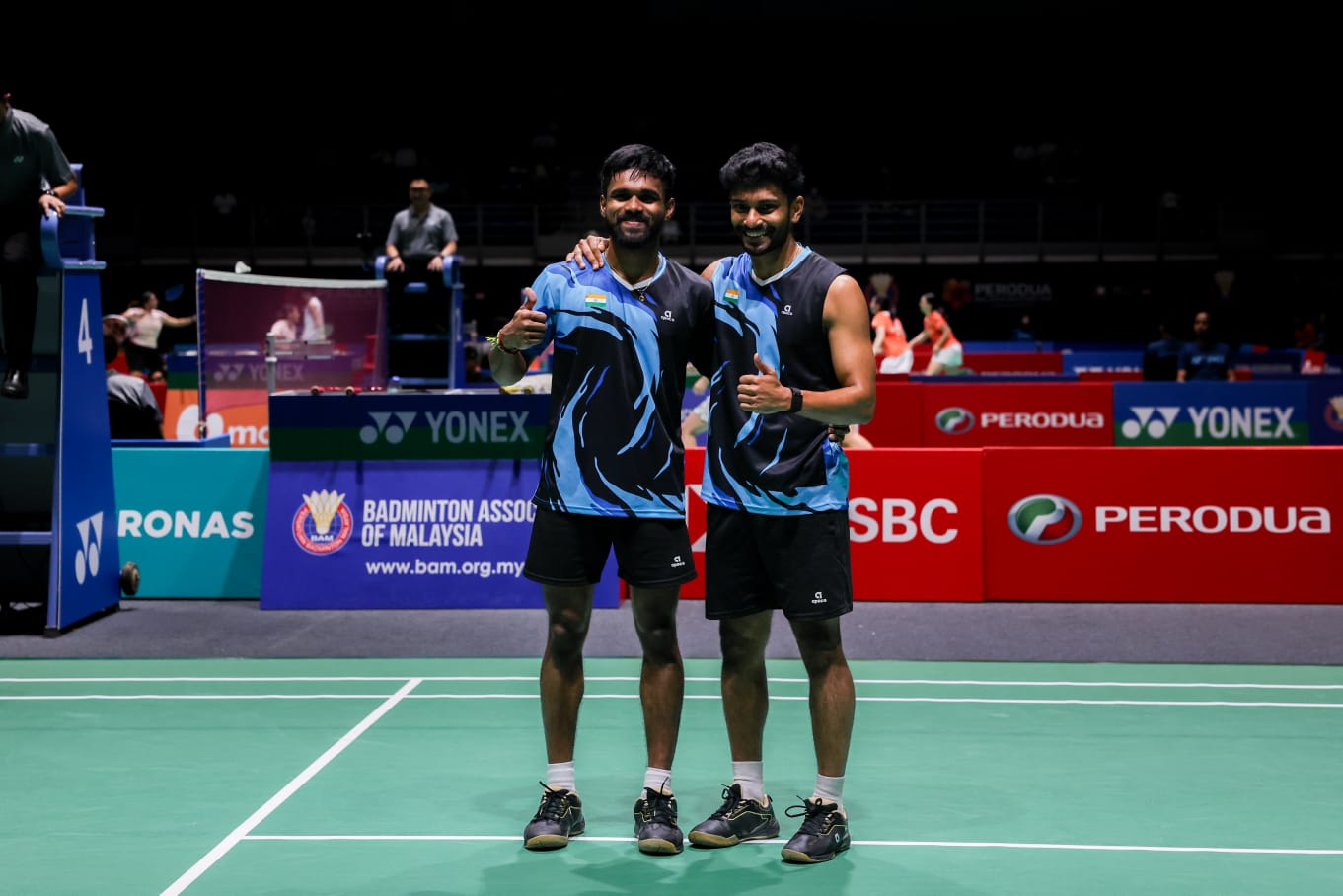
Youngsters such as Devika Sihag and Sathwik Kanapuram-Radhika Sharma impressed during the week, but Ashmita ultimately emerged as India’s last remaining hope.
Her run therefore carries additional importance. For a player who has struggled with inconsistency and injuries over the last few seasons, this tournament felt like a reminder of her potential. She defeated quality opposition, handled pressure situations well and showed improved physical sharpness throughout the week. The left-hander’s ability to control long rallies and vary pace was particularly impressive in Kuala Lumpur. Against both Goh Jin Wei and Kjaersfeldt, Ashmita demonstrated tactical maturity that has sometimes been missing from her game previously.
While the semifinal spot narrowly escaped her, the tournament could still prove a major confidence boost heading into the remainder of the season.
India’s women’s singles department has been searching for depth behind PV Sindhu for several years. Performances like this from Ashmita Chaliha suggest there may still be reason for optimism.
And although the Malaysia Masters campaign ended in the quarterfinals, Ashmita leaves Kuala Lumpur having reminded Indian badminton that she remains capable of competing strongly on the big stage.
Comments (0)
to post comments, replies, and votes.
Loading comments…