AFC U17 Women’s Asian Cup 2026: Young Tigresses Stand on the Brink of History Ahead of China Quarter-final Clash
.jpeg)
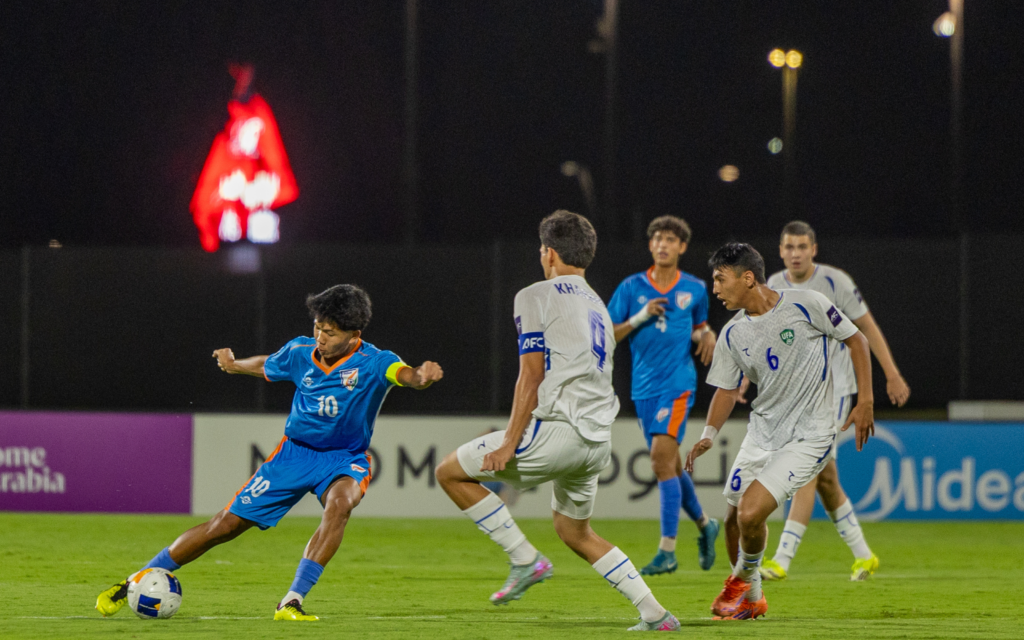
India’s U17 women’s football team finds itself on the verge of a historic breakthrough as they prepare to face hosts China in the quarter-finals of the AFC U17 Women’s Asian Cup 2026 in Suzhou.
With a place in the FIFA U17 Women’s World Cup Morocco 2026 at stake, the match represents one of the most significant moments in Indian women’s football history. For the first time, an Indian women’s team is just one win away from qualifying for a FIFA World Cup on merit. While India has previously participated in youth World Cups as hosts, this campaign presents an opportunity to earn qualification through performance an achievement that would mark a major milestone for the sport in the country.
The Young Tigresses have already rewritten history by reaching the knockout stage of the tournament, following a commanding 4-0 victory over Lebanon in their final group-stage match. This achievement alone is significant, as it marks the first time an Indian women’s team has reached the knockout stage of an Asian Cup competition since 2004. However, the focus within the camp has quickly shifted beyond that milestone. For head coach Pamela Conti and her players, the objective remains clear—secure qualification for the World Cup.
“We are approaching this match in the same way we approached the entire tournament, with excitement and the desire to win,” Conti said ahead of the clash.
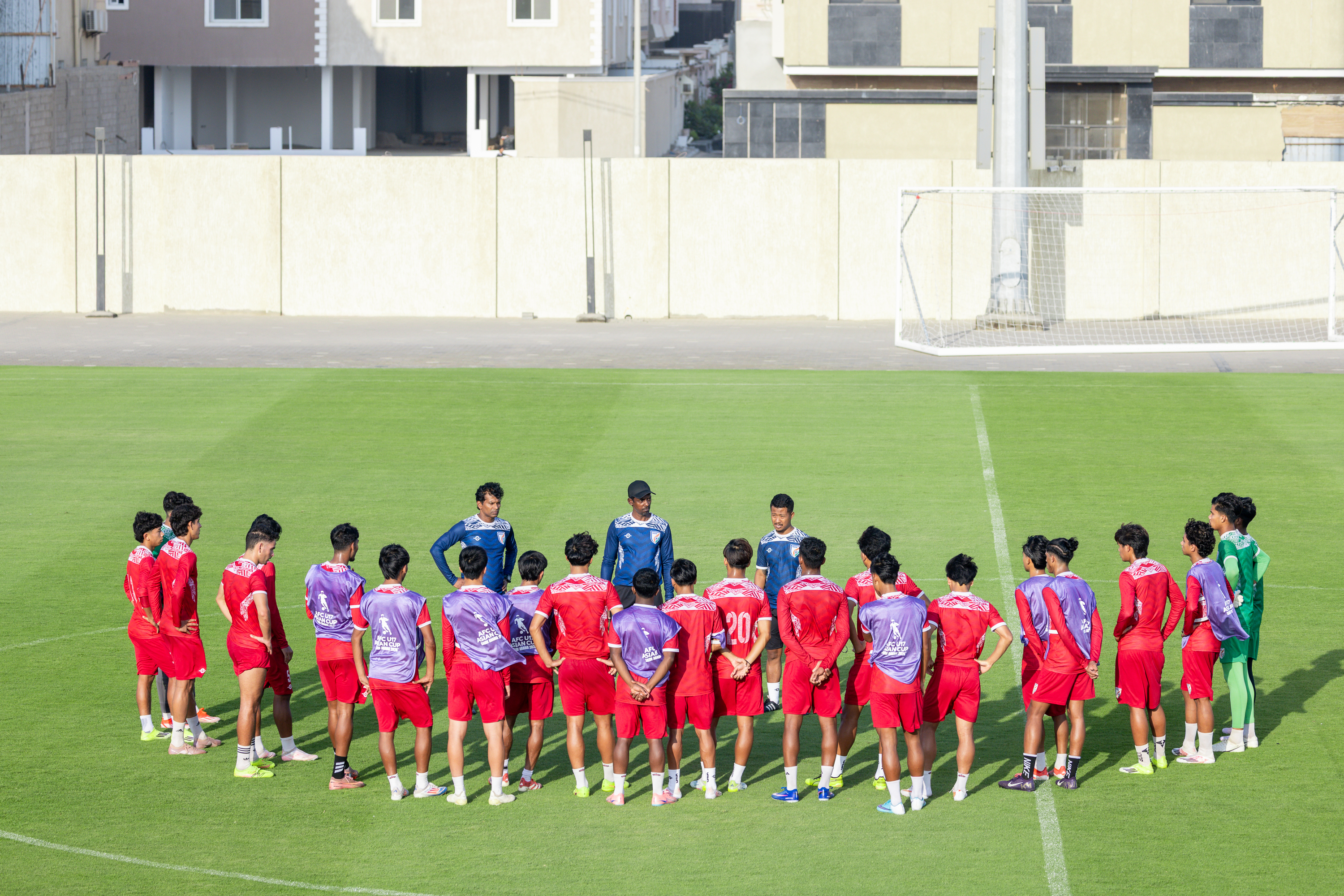
India’s journey in Suzhou has, until now, been relatively contained within a familiar environment. The team has trained and played at the Suzhou Taihu Football Sports Centre, where all facilities are located within walking distance of their hotel. This setup allowed the players to settle into a routine, fostering a sense of comfort and cohesion.
The quarter-final, however, presents a different challenge. The match will be played at the Suzhou Sports Centre Stadium, a significantly larger venue with a capacity of 35,000 spectators. For a young team, adapting to such an atmosphere especially against the host nation adds another layer of complexity.
Midfielder Bonifilia Shullai acknowledged the scale of the occasion but emphasised the team’s readiness.
“We know the crowd will be loud and there will be many fans supporting their home team. But we are proud of how far we have come and want to continue performing at the same level,” she said.
China enter the match as one of the strongest teams in the tournament. They topped their group with three emphatic wins, scoring 15 goals without conceding. Their performances against Myanmar, Vietnam, and Thailand underline their attacking strength and defensive organisation.
Conti highlighted the key challenges posed by the hosts.
“They are physically strong, have one of the tallest squads, and attack in numbers. We need to be very focused defensively,” she noted. From a tactical standpoint, India will need to maintain compact defensive shape and manage transitions effectively. China’s ability to exploit space and deliver in the final third makes defensive discipline critical. At the same time, India’s own attacking moments will need to be executed with precision, given the limited opportunities likely against a strong opponent.
The format of the knockout stage adds further intensity to the contest. With no extra time to be played, any draw after 90 minutes will lead directly to a penalty shootout. This increases the importance of both game management and mental composure, particularly in the closing stages.
Centre-back Abhista Basnett, who has played a leadership role within the squad, stressed the importance of staying focused on the immediate task.
“We are very happy to be in the quarter-finals, but our job is not done yet. There is still one more game between us and our dream,” she said. Her words reflect the mindset within the team acknowledging the achievement of reaching this stage while remaining grounded in the objective ahead. Beyond tactics and preparation, the emotional and psychological aspects of the campaign have been equally significant. The team’s journey from preparatory camps to qualifiers and now the continental stage has fostered a strong sense of unity.
“This journey has brought us together like a family. We understand each other well, and that bond is one of the biggest strengths we have gained,” Abhista added.
For Conti, the match carries importance beyond the immediate result. She views it as an opportunity for the players to grow, both as footballers and individuals. “Matches like these help players develop. They must enjoy the experience, because these are moments that stay with you,” she said.
The broader significance of the fixture lies in what it represents for Indian women’s football. Qualification for the U17 World Cup would not only validate years of investment in youth development but also provide a platform for future growth. It would serve as a benchmark for what is possible and inspire the next generation of players. As India prepares to take the field against China, the challenge is clear. The hosts bring experience, physicality, and home support. But the Young Tigresses bring belief, cohesion, and a campaign that has already exceeded expectations.
One match now separates them from history.
In Suzhou, under the lights and in front of a packed stadium, India’s U17 women’s team will aim to take that final step transforming promise into achievement and turning a dream into reality.
Comments (0)
to post comments, replies, and votes.
Loading comments…
 (1).jpg)

.jpg)

.jpg)