AFC U17 Asian Cup: India U17 Regroup After Australia Setback, Eye High-Stakes Clash Against Uzbekistan
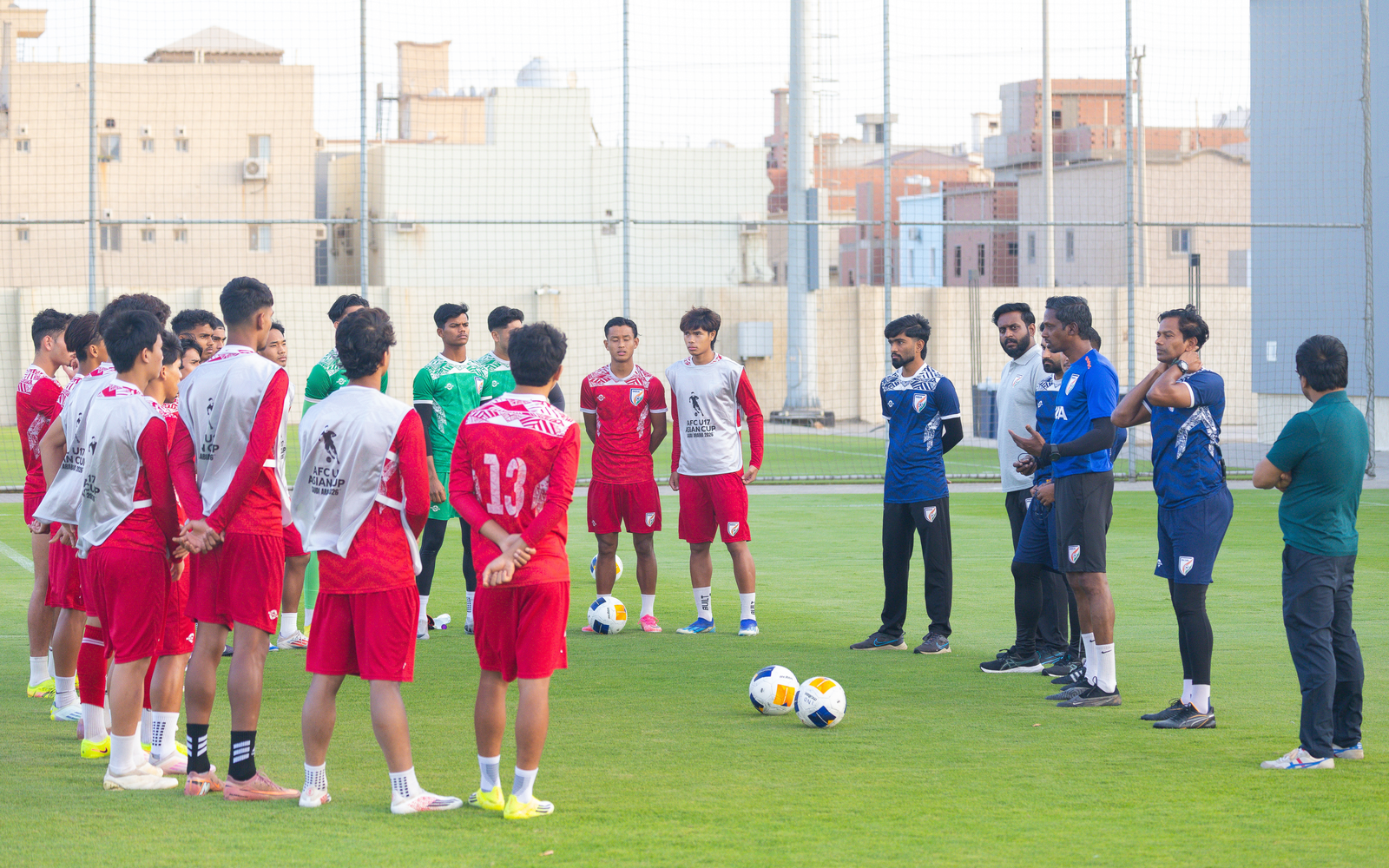
India’s U17 men’s team finds itself at a defining crossroads in the AFC U17 Asian Cup Saudi Arabia 2026, as the Blue Colts prepare for a must-win encounter against defending champions Uzbekistan on May 10 in Jeddah.
A heavy 0–4 defeat against Australia in their opening fixture has left India with little margin for error, but within the camp, the mood remains focused rather than deflated. The tournament dynamics have been altered significantly by the withdrawal of DPR Korea, leaving Group D with three teams. With only the top two progressing to the quarter-finals and thereby securing qualification for the FIFA U17 World Cup Qatar 2026 every remaining minute of football carries immense weight for the Indian side.
India’s opening loss to Australia exposed gaps, particularly in handling sustained attacking pressure and defensive transitions. Australia, known for their physicality and direct style, capitalised early and maintained control throughout the contest. However, the scoreline does not fully capture the resilience shown by goalkeeper Rajrup Sarkar, who emerged as one of the few bright spots. Rajrup’s performance under pressure facing repeated waves of attacks prevented the margin from widening further. His shot-stopping and composure provided a degree of stability at the back, even as the defensive unit struggled collectively.
The goalkeeper himself acknowledged the challenges but pointed to learning as the key takeaway. The ability to mentally reset after conceding early and continue competing is a trait India will need to replicate against Uzbekistan. India’s qualification scenario is mathematically straightforward but practically demanding. A win against Uzbekistan keeps their hopes alive and puts pressure on the final group fixture between Uzbekistan and Australia. Even a draw could suffice, depending on goal difference and results elsewhere, but relying on permutations is far from ideal.
In essence, the Blue Colts must approach the Uzbekistan clash as a knockout fixture.
Uzbekistan: The Benchmark in Group D
Standing in India’s way is one of Asia’s most consistent youth sides. Uzbekistan, the defending champions, combine technical precision with physical dominance attributes that make them particularly dangerous in age-group tournaments. Their structured build-up play, compact defensive shape, and ability to exploit transitions quickly present a multifaceted challenge. Unlike Australia’s direct approach, Uzbekistan relies more on controlled possession and positional discipline, demanding a different tactical response from India.
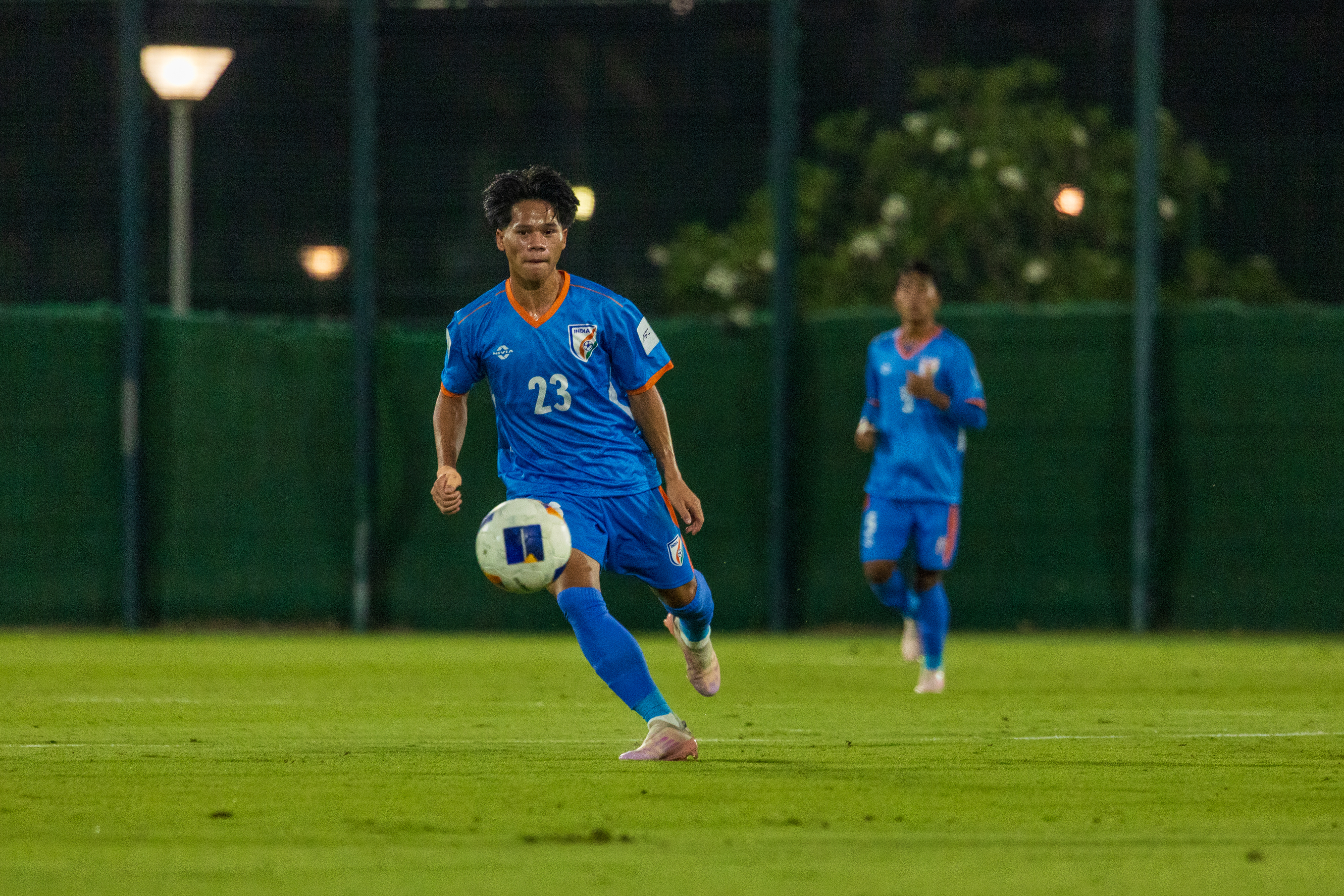
Captain Dallalmoun Gangte has been direct in his assessment. The upcoming fixture is not just another group game it is a do-or-die scenario where intensity, focus, and execution must all align.
India’s approach against Uzbekistan will need to evolve in three key areas:
1. Defensive Organisation: Against Australia, India struggled to maintain compactness, particularly when stretched wide. Against Uzbekistan’s structured attack, maintaining shape and reducing spaces between lines will be critical.
2. Midfield Control: Winning second balls and maintaining possession under pressure will determine whether India can relieve defensive stress and build attacking phases.
3. Decision-Making in Final Third: Opportunities may be limited, making efficiency essential. India will need to be clinical with whatever chances come their way.
Attacker Azlaan Shah highlighted a crucial aspect mental strength. Youth tournaments often test not just skill but temperament. Recovering from a heavy defeat and preparing for a high-pressure match within days requires composure and clarity. The Indian camp has already begun analysing Uzbekistan’s gameplay, indicating a structured preparation approach. Understanding opposition patterns whether in pressing triggers, defensive rotations, or attacking movements could offer India small but significant advantages.
While the defeat to Australia was disappointing, it also served as a reference point. The pace of international football at this level, the physical demands, and the need for sustained concentration were all evident. For a developing side, such experiences are invaluable. The challenge lies in converting those lessons into immediate improvements something the Blue Colts must achieve quickly.
Qualification for the FIFA U17 World Cup Qatar 2026 is not just a milestone but a critical step in player development. Exposure at that level accelerates growth, enhances tactical understanding, and provides invaluable experience against global opposition. For Indian football, consistent appearances at youth World Cups are essential for building a stronger senior pipeline. The match against Uzbekistan, therefore, carries implications beyond just this tournament.
As India prepares for its final group stage clash, the equation is clear: deliver under pressure or exit early. The Blue Colts have shown glimpses of resilience, and now they must translate that into a complete performance. Against a technically superior and physically robust Uzbekistan side, India will need discipline, belief, and execution at the highest level.
The opportunity is still alive. What remains is whether the Blue Colts can seize it.
Comments (0)
to post comments, replies, and votes.
Loading comments…
.jpg)


.png)