Indian Skeet Shooters Fall Short of Finals at ISSF World Cup in Almaty
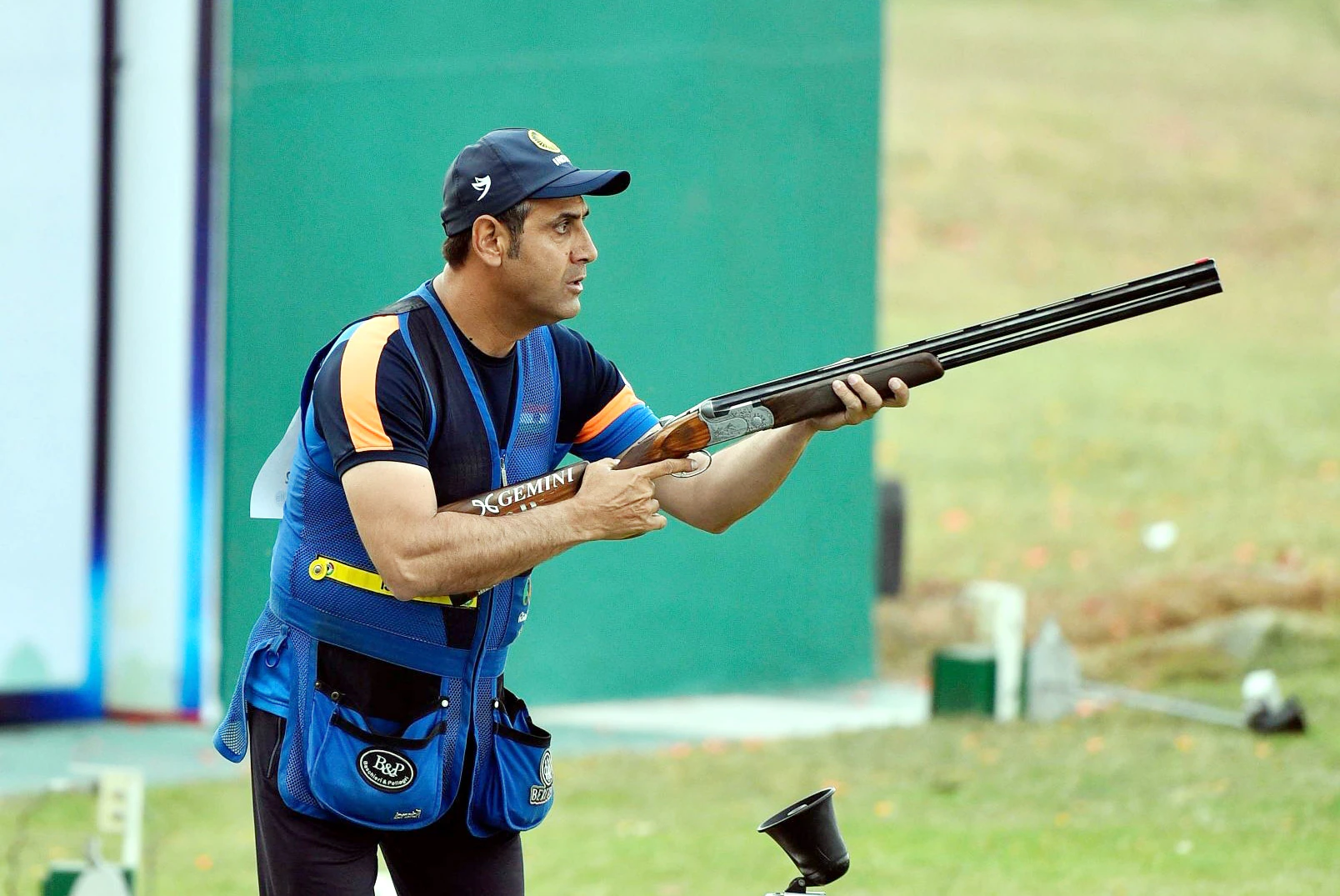
India’s skeet shooters endured a disappointing finish at the ISSF World Cup Shotgun Almaty 2026, with none of the athletes managing to secure a place in the finals across both men’s and women’s events.
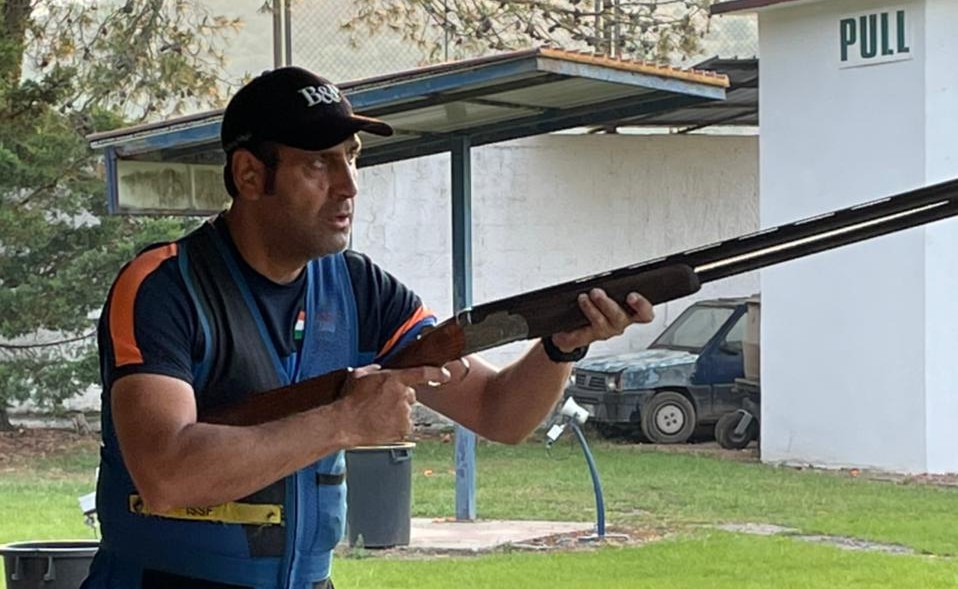
Despite promising positions after the opening day, the Indian contingent struggled to maintain consistency across the final two qualification rounds, ultimately falling short of the top eight cutoff required to progress into the medal stage. Among the men, Mairaj Ahmad Khan emerged as the best-placed Indian shooter.
The Olympian had begun Day Two in 26th place after scoring 71 out of 75 on the opening day. He showed improvement in the final rounds, shooting 23 and 25 to close with a total of 119. While the strong finish helped him climb up the standings, it was only enough for an 18th-place finish still well outside the qualification zone in a highly competitive field. Competing for ranking points, Bhavtegh Singh Gill matched Mairaj’s total score of 119, with a consistent series of 24, 24, 23, 24 and 24. However, he finished just behind in 19th place, highlighting the fine margins that define skeet shooting at this level.
Anantjeet Singh Naruka, another Olympian in the Indian lineup, produced a mixed performance. After a modest first day, he delivered a perfect 25 in the fourth round, followed by a 23 in the fifth. His final total of 117 placed him 38th overall, reflecting inconsistency across the earlier rounds.
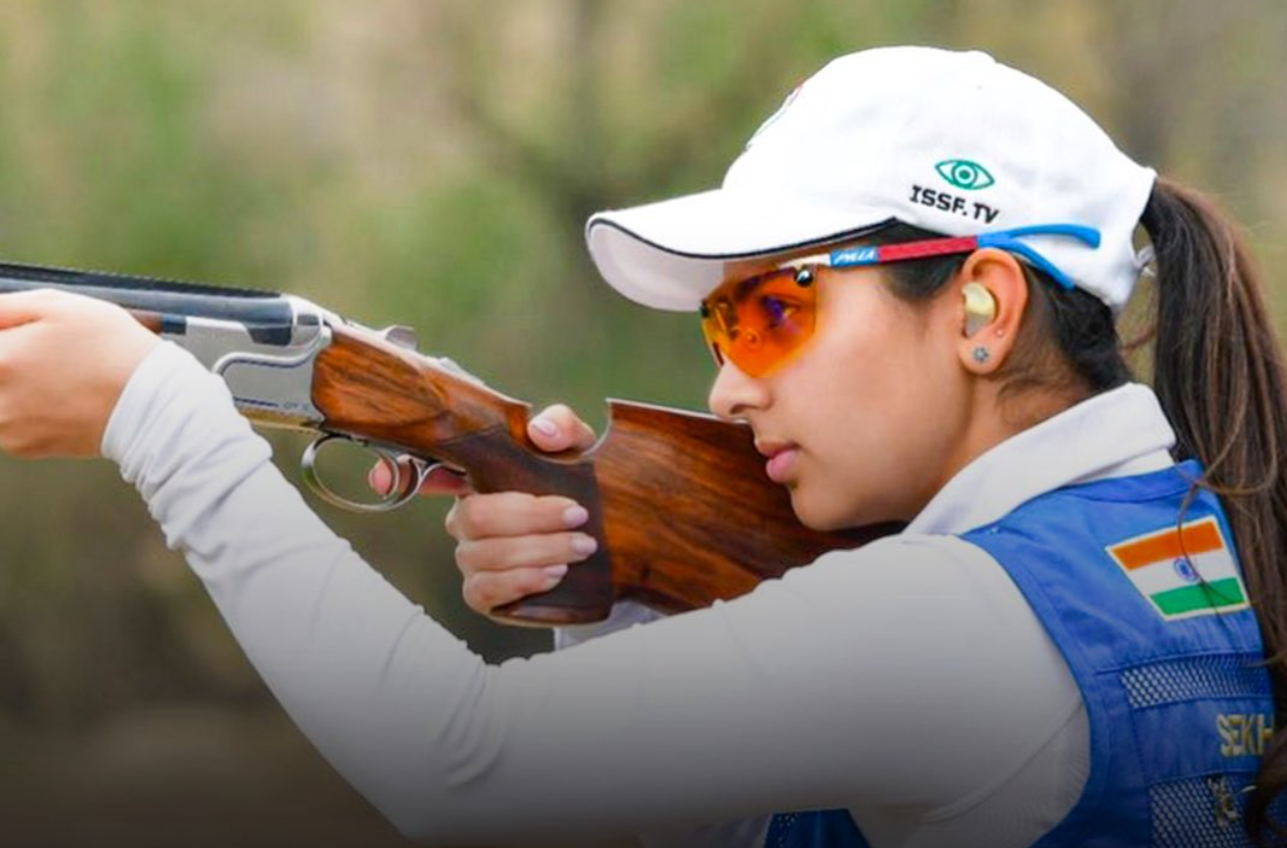
National champion Gurjoat Singh Khangura was unable to build momentum in the closing stages. Scores of 22 and 23 in the final rounds saw him finish with 115, placing him 54th. Meanwhile, Abhay Singh Sekhon, also competing for ranking points, managed 23 and 20 in his final series to end with a total of 113, finishing 71st. In the women’s event, the biggest disappointment came from Ganemat Sekhon.
After a strong opening day where she had positioned herself just outside the top eight, Sekhon was well in contention for a finals berth. However, she struggled in the decisive rounds, shooting 22 and 20 to finish with a total of 112. The drop in accuracy saw her slip down the standings to 33rd place, ending her hopes of qualification. Raiza Dhillon ended as the highest-placed Indian in the women’s field.
The Olympian delivered a steady performance across all five rounds, recording scores of 22, 23, 24, 23 and 23 for a total of 115. While consistent, the tally placed her 17th overall just outside contention but still the closest among Indian shooters to the finals. Parinaaz Dhaliwal finished just above Sekhon in 32nd place, also with a total of 112. Her final rounds of 24 and 22 showed improvement, but it was not enough to recover from earlier dropped targets.
Among the ranking-point participants, Vanshika Tiwari finished 29th with a score of 112, while Rashmmi Rathore placed 47th with a total of 102. The overall outcome reflects a familiar challenge for Indian skeet shooters maintaining consistency across all five rounds. At this level, qualification often requires near-perfect shooting, with even a handful of missed targets significantly impacting standings. For India, several shooters demonstrated strong individual rounds, including perfect 25s, but were unable to sustain that level across the entire qualification phase.
Ganemat Sekhon’s campaign, in particular, underlines the importance of closing out competitions strongly. Being within touching distance of the top eight after Day One, her drop in the final rounds proved decisive. Similarly, Mairaj Ahmad Khan’s late surge highlighted both his experience and capability, but also the cost of early inconsistencies in such a tightly contested field. From a broader perspective, the results highlight the gap between competitive participation and podium contention.
While Indian shooters remain capable of delivering high-quality rounds, the ability to string together consistent performances across all stages remains the key differentiator at the international level. The Almaty World Cup also marks the second shotgun event of the season, following a medal-less outing in Tangier. With multiple events still ahead in the international calendar, the focus will now shift to refining consistency, handling pressure situations, and improving closing-round performances. For a discipline like skeet, where precision and rhythm are critical, even marginal gains in concentration and execution can significantly impact results.
As the Indian contingent moves forward, the lessons from Almaty are clear strong starts must be matched with equally composed finishes if they are to convert potential into finals appearances and, ultimately, medals on the global stage.
Comments (0)
to post comments, replies, and votes.
Loading comments…