
India Crash Out Early at World Team Table Tennis Championships 2026
India’s campaign at the ITTF World Team Table Tennis Championships 2026 ended in disappointment as both the men’s and women’s teams crashed out in the Round of 32, falling short of expectations on the global stage.
Coming into the knockout phase with hopes of a deeper run, India endured a tough day as the men’s team went down 0-3 to Austria, while the women’s team suffered a 1-3 defeat against the United States. The twin exits highlighted both performance gaps and missed opportunities in pressure situations.
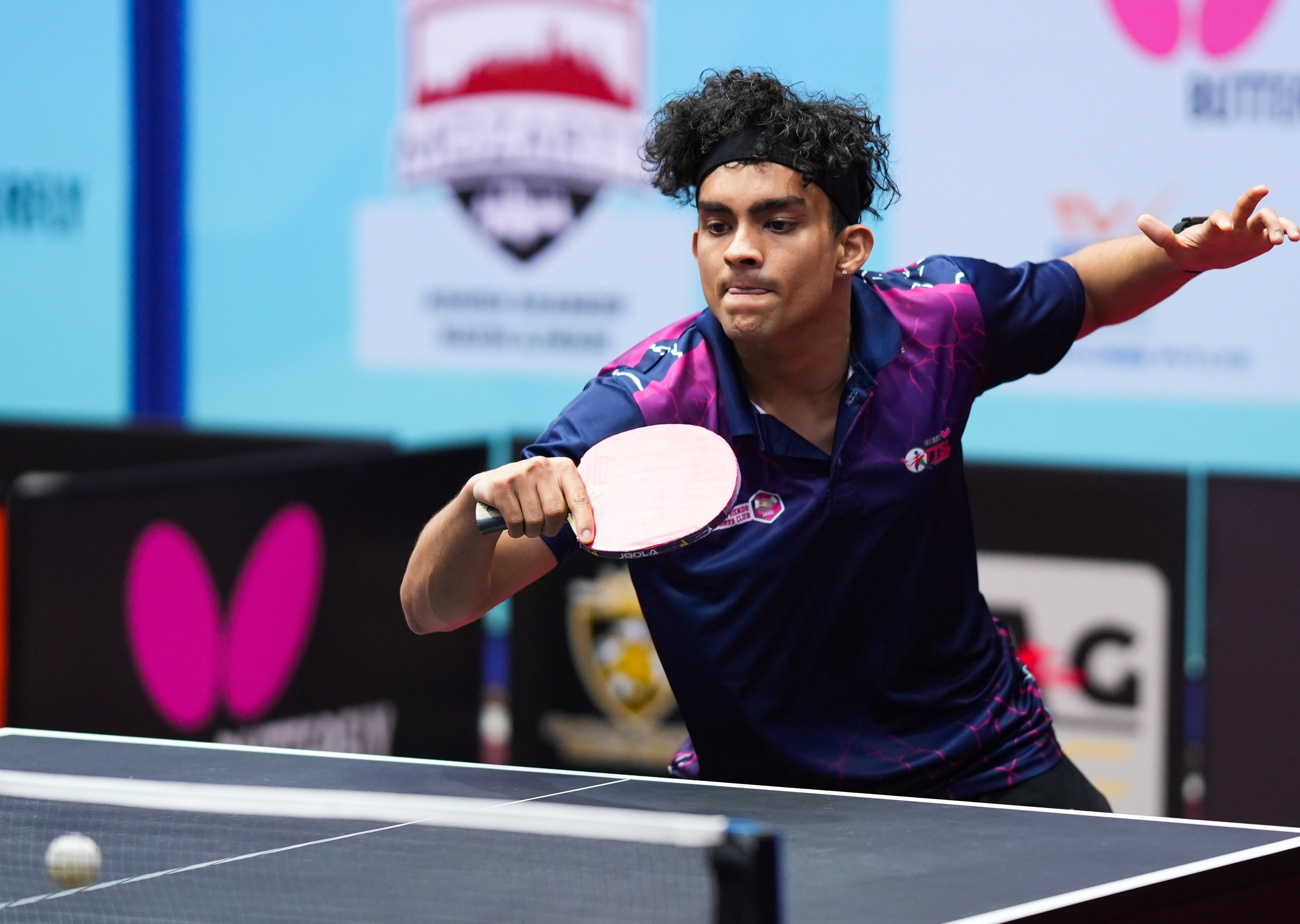
India’s men’s team, featuring experienced names like G Sathiyan and Manav Thakkar, entered the tie against Austria with a clear edge on paper. However, the contest unfolded in stark contrast to pre-match expectations. The opening rubber saw Manush Shah put up the strongest fight of the tie. Facing Robert Gardos, Manush stretched the match to five games, showing resilience and attacking intent. He took two games but eventually lost 2-3 (11-6, 7-11, 3-11, 11-8, 11-13), narrowly missing out in a decisive fifth game. That loss proved pivotal, as it denied India early momentum.
Following that, the tie slipped away quickly. Manav Thakkar struggled to impose himself against Daniel Habesohn, going down in straight games 0-3. The Austrian controlled the rallies with consistency, exposing gaps in Manav’s defensive transitions. In the third rubber, Sathiyan faced Andreas Levenko but failed to find rhythm. The Indian paddler lost 0-3, as Austria completed a comprehensive sweep. The result was particularly disappointing given that Austria did not feature a single player ranked inside the top 100, while India fielded a more accomplished lineup. The inability to convert key moments, especially in the opening match, proved costly.
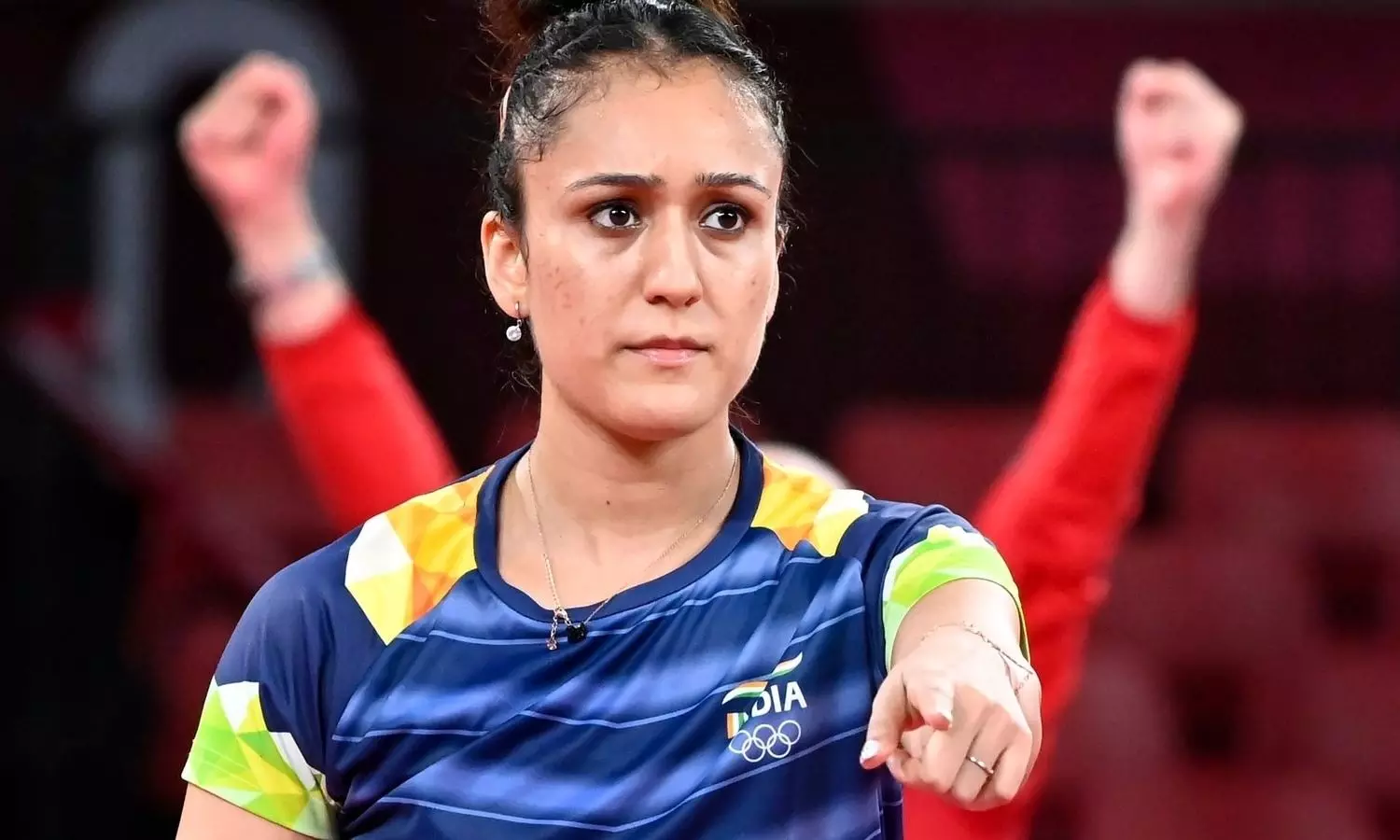
The women’s team had a slightly better outing but still fell short, losing 1-3 to the United States. The tie began on a difficult note, with Yashaswini Ghorpade going down 0-3 to Sally Moyland. The Indian struggled to match the American’s pace and control, conceding the first rubber without much resistance. India found a response through Manika Batra, who produced one of her most dominant performances of the tournament. Facing Jessica Reyes, Manika controlled the match from the outset, winning 3-1 with commanding scorelines (11-2, 11-7, 11-8, 11-4). Her aggressive forehand play and tactical variations helped India level the tie at 1-1.
However, the momentum was short-lived. Diya Chitale was unable to overcome Lily Zhang, losing 0-3 despite a closely contested third game that went into deuce. The American’s experience in high-pressure moments proved decisive. The fourth rubber saw Manika return to the table against Sally Moyland in a must-win match. Despite a strong start, including winning the opening game, Manika lost 1-3 (12-10, 9-11, 3-11, 11-13). The loss sealed India’s exit from the competition.
Across both ties, a recurring theme was India’s inability to sustain intensity across multiple matches. While individual brilliance, particularly from Manika, stood out, the lack of depth in delivering consistent performances proved decisive. In the men’s tie, the inability to capitalise on Manush Shah’s competitive opening match exposed the team’s fragility. Once the first rubber slipped away, there was little resistance in the subsequent matches. Similarly, in the women’s tie, India’s dependence on Manika Batra was evident. While she delivered in one match, the lack of support from the other paddlers made it difficult to challenge a well-rounded American side.
For Indian table tennis, this early exit raises important questions. The gap between potential and execution remains significant. On paper, both teams had the quality to progress further, particularly against opponents who were not overwhelmingly superior in rankings or pedigree.
However, team events demand not just individual skill, but collective consistency and composure under pressure areas where India fell short.
The early exit from the World Team Championships serves as a critical checkpoint. With major events on the horizon, including Olympic qualification cycles and continental tournaments, India will need to reassess its approach particularly in building squad depth and preparing players for high-pressure team formats. The performances in London underline a clear reality: competing at the highest level requires not just flashes of brilliance, but sustained excellence across the board.
For now, India’s campaign ends earlier than expected a result that will prompt introspection within the setup as they look to bridge the gap with the world’s leading table tennis nations.
Comments (0)
to post comments, replies, and votes.
Loading comments…