French Open 2026 Qualifiers Highlight Asia’s Growing Influence in Women’s Tennis

The qualifying draw for the 2026 French Open has once again highlighted the growing depth of Asian women’s tennis, with 16 players representing Asian nations or regions set to compete for a place in the main draw at Roland Garros.
From established names like Yuan Yue and Wang Xiyu to emerging prospects such as Lanlana Tararudee and Aoi Ito, the Asian contingent reflects not just improving competitive standards, but also the evolving structures, investments, and geopolitical shifts shaping women’s tennis across the continent.
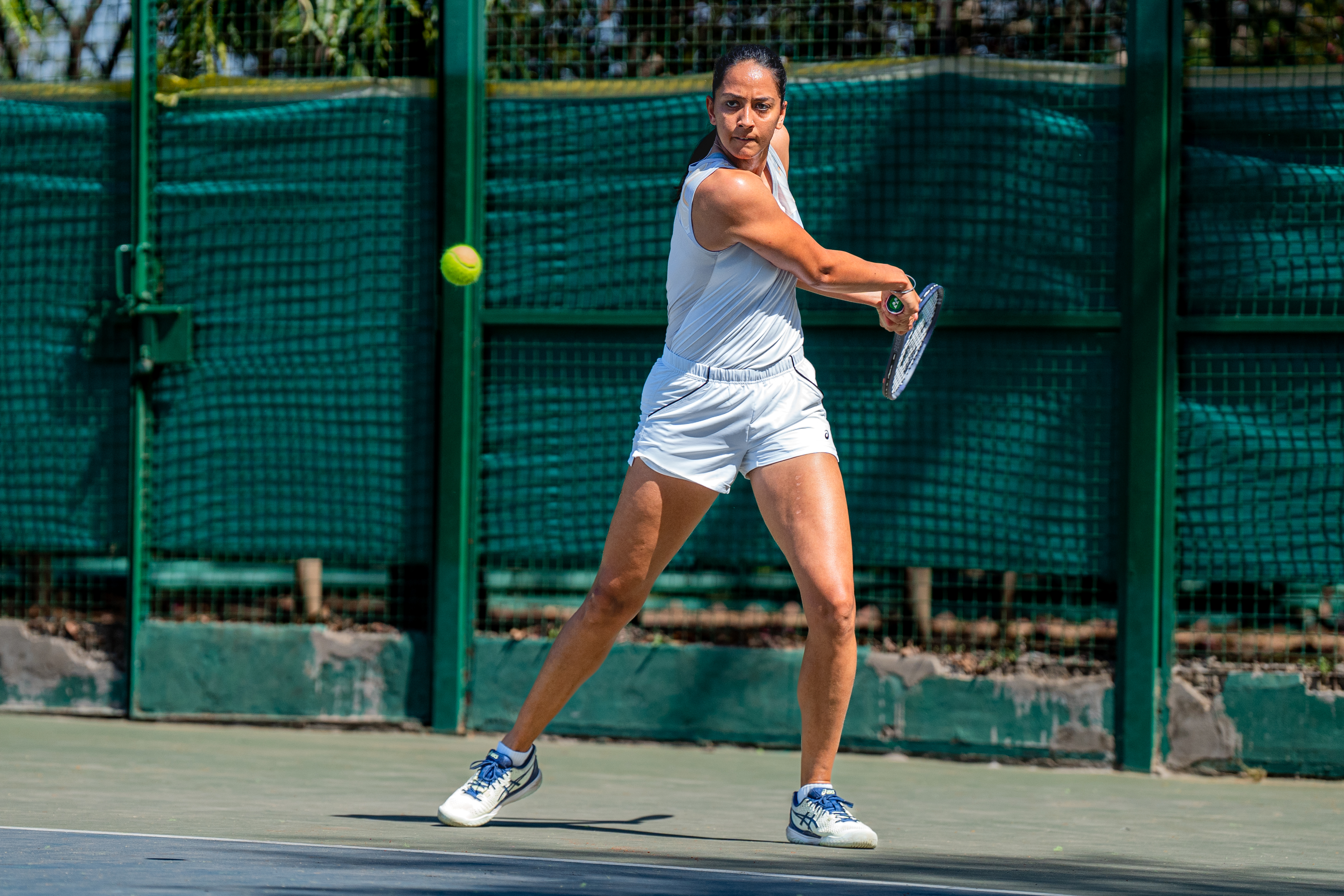
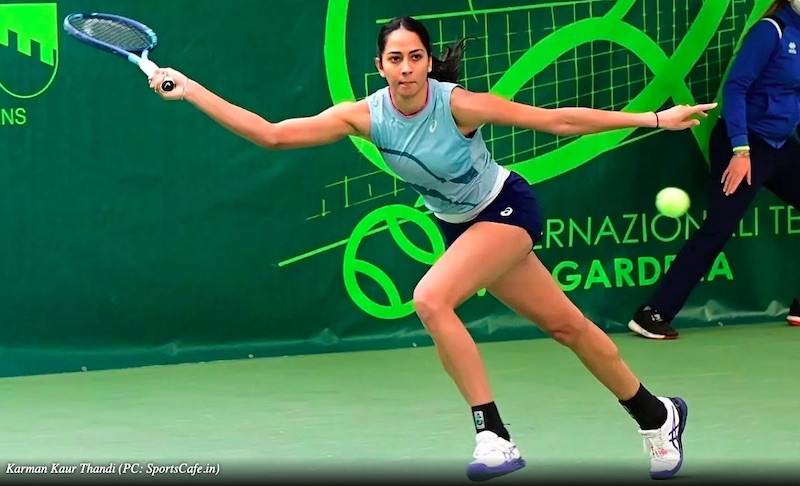
For India, the spotlight falls solely on Karman Thandi, who enters the qualifiers using a protected ranking after battling multiple injury setbacks over recent seasons. Her presence in Paris is significant beyond rankings or results. Thandi is the only Indian singles player across both the men’s and women’s qualifying and main draws, underlining the broader structural challenges Indian singles tennis continues to face internationally.
Drawn against French player Harmony Tan in the opening round, Thandi faces a difficult task immediately. However, merely returning to Grand Slam qualifying competition after injury struggles represents an important milestone in her comeback journey. India has historically produced strong doubles players, including Grand Slam champions and former world No.1s, but consistent singles depth remains elusive due to limited domestic clay-court infrastructure, fewer professional tournaments, and high international travel costs.
China once again arrives with one of the strongest qualifying contingents. Players such as Yuan Yue, Wang Xiyu, Gao Xinyu, Guo Hanyu, Ma Yexin, and You Xiaodi highlight the depth China has built through a hybrid development system combining state-backed support with increasing professionalisation. Yuan Yue, seeded 10th in qualifying, remains one of the strongest Asian names in the draw despite recent ranking fluctuations. Wang Xiyu, a former top-50 player known for her aggressive left-handed game, also enters as one of the more dangerous floaters in the qualifying field.
Meanwhile, players like Ma Yexin and Gao Xinyu represent China’s strong second-tier structure athletes capable of consistently competing on the ITF and lower-level WTA circuit due to the country’s dense tournament ecosystem.
The ability to accumulate ranking points within Asia has allowed China to create a large competitive player base ranked between 100 and 250 globally.
Japan’s contingent offers a contrasting developmental model. Unlike China’s state-supported structure, Japanese tennis continues to rely heavily on corporate sponsorship systems that provide long-term financial stability to players, even during injuries or ranking slumps. This system has helped preserve diverse playing styles rarely seen elsewhere in modern women’s tennis. Aoi Ito, one of the most intriguing names in qualifying, is known for her unconventional variety, including heavy slices, drop shots, and disruptive rally patterns. Her ability to break rhythm makes her a dangerous opponent on clay.
Veteran Nao Hibino, meanwhile, continues to embody Japanese tennis longevity. At 31, she remains a regular presence in Grand Slam qualifying draws despite repeated injury interruptions.
Mai Hontama and Himeno Sakatsume further add to Japan’s strong representation in Paris. Thailand’s Lanlana Tararudee arrives as the top seed in qualifying, a major milestone for Southeast Asian tennis. Still only 21, Tararudee has rapidly improved on clay and now carries the responsibility of leading Thailand’s next generation following years without a major singles breakthrough on the women’s side. Chinese Taipei’s Joanna Garland presents another fascinating story. Born in the United Kingdom to a British father and Taiwanese mother, Garland chose to continue representing Chinese Taipei despite reportedly attracting interest from British tennis authorities.
Her rise into the top 120 rankings reflects both individual persistence and the increasing competitiveness of Taiwan’s women’s tennis system.
South Korea’s Ku Yeon-woo also enters the draw hoping to make a breakthrough, though she faces a difficult challenge against former world No.1 Karolina Pliskova.
Perhaps the most notable geopolitical development comes from Uzbekistan’s growing presence. Maria Timofeeva and Polina Kudermetova now represent Uzbekistan after previously competing under Russian affiliation. Their transition reflects a wider trend of Central Asian federations attracting players affected by the geopolitical complications surrounding Russian and Belarusian participation in international sport. For countries like Uzbekistan, investing in internationally developed players offers a shortcut toward greater sporting visibility and Olympic competitiveness. It also reflects how global tennis is increasingly shaped by citizenship flexibility, federation funding, and long-term administrative strategy not just player development alone.
Historically, clay courts have been viewed as the most difficult surface for Asian players due to limited access to red clay infrastructure across much of the continent. That perception is gradually changing. Players like Tararudee, Garland, Yuan Yue, and Wang Xiyu have increasingly spent extended periods training and competing in Europe to improve clay-court adaptability. The result is a far deeper and more competitive Asian presence at Roland Garros qualifiers than seen a decade ago.
While Grand Slam titles may still largely remain concentrated among traditional tennis powers, the 2026 French Open qualifiers demonstrate one clear reality: Asian women’s tennis is no longer defined by isolated stars alone. It is now being driven by systems, investment, international mobility, and growing competitive depth across multiple nations.
Comments (0)
to post comments, replies, and votes.
Loading comments…