BWF World Championships 2027: New Group-Stage Format, 48-Player Singles Draw and 3x15 Scoring to Transform Badminton
The 2027 BWF World Championships will mark one of the biggest structural changes in the history of international badminton, with the Badminton World Federation (BWF) replacing the traditional straight-knockout format with a two-stage competition featuring round-robin groups followed by single-elimination knockouts.
Scheduled from July 14 to 25, 2027, in Mississauga, Canada, the championships will introduce the new format across all five disciplines: men's singles, women's singles, men's doubles, women's doubles and mixed doubles. The changes will guarantee every participant multiple matches while aligning the tournament more closely with the structure of the Olympic badminton competition.
The overhaul, announced by the BWF on November 25, 2026, is part of a wider strategy to increase broadcast coverage, improve scheduling predictability and expand the sport's global commercial reach ahead of the Los Angeles 2028 Olympic Games.
However, the new system also raises questions about qualification opportunities, competitive integrity, player workload and the precise progression rules for the singles events.
Under the revised structure, men's and women's singles will each feature 48 players, divided into 16 groups of three. Every player will therefore be guaranteed at least two group-stage matches. The three doubles disciplines will each feature 32 pairs, divided into eight groups of four. Every pair will play three group matches before the knockout stage.
A maximum of four players or pairs per Member Association will be permitted in each event. This represents a reduction in the overall championship field. The combined number of entries across the five disciplines will fall from 272 in the 2025-2026 editions to 192 in 2027, a reduction of approximately 29.4%.
The new format is intended to ensure that leading players remain visible throughout the tournament, even if they suffer an early defeat. Instead of potentially exiting after one match, every participant will receive a guaranteed minimum of two or three opportunities to compete.
A significant change to knockout progression
One important detail in the BWF announcement requires clarification. The governing body stated that the top two players or pairs from each group would progress to the Round of 16. While this works mathematically for the doubles competitions, where eight groups produce 16 qualifying pairs, it creates an inconsistency in singles.
With 16 groups of three players, advancing the top two from every group would produce 32 qualifiers, requiring a Round of 32 rather than a Round of 16.
Two possible interpretations therefore remain. The first is that only the 16 group winners will progress directly to the Round of 16, following the structure planned for the revamped BWF Super 1000 tournaments from 2027. Alternatively, if the top two players from every group advance, the singles knockout stage would need to begin with 32 players.
The BWF's detailed 2027 competition regulations will be important in resolving this ambiguity.
The World Championships will also be played under the new 3x15 scoring system, which takes effect on January 4, 2027. Under this format, matches will continue to be played best of three games, but each game will be played to 15 points instead of 21, with a cap at 21.
The BWF has positioned the shorter scoring format as part of its effort to create more predictable match durations and improve scheduling. The change is particularly relevant to the 2027 championships, which will operate across a 12-day window using just two arena courts.
The shorter games are expected to help organisers accommodate a larger volume of matches while ensuring that every contest receives live broadcast coverage. However, the scoring reform has attracted criticism from sections of the badminton community. Former Indian chief national coach Vimal Kumar has described the change as a dilution of the sport, arguing that shorter games could reduce the importance of endurance and tactical resilience, particularly in singles.
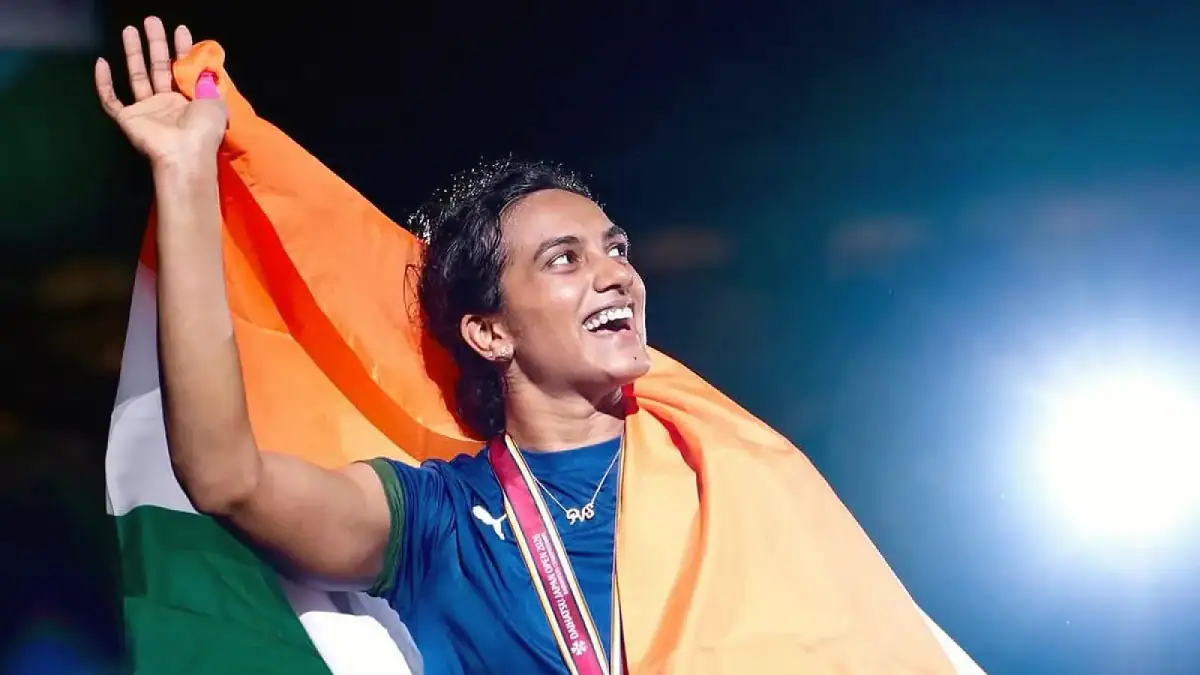
Indian badminton figures including Pullela Gopichand, PV Sindhu and Saina Nehwal have also expressed reservations about moving away from the traditional 21-point format.
More matches and a broadcast-focused tournament
The revised structure is designed around a 12-day, two-court competition model, with the BWF targeting live broadcast production for every championship match. The group stage alone will account for 240 matches across the five disciplines: 48 in each event. Depending on the final singles knockout progression rules, the overall tournament could feature approximately 315 to 347 matches.
That represents an increase of 18% to 30% compared with the 2025-2026 format.
The expanded schedule is closely linked to the BWF's commercial partnership with Infront, which runs through 2034. The governing body aims to increase the number of television-produced matches across its calendar from approximately 1,410 to 3,000 annually. For broadcasters and sponsors, the group-stage format offers greater certainty that leading players will appear multiple times. For spectators, it promises more opportunities to watch their favourite athletes.
However, the increased match volume also raises questions about athlete recovery, travel demands and the cumulative workload during an already crowded international calendar.
Although the new structure guarantees more matches to those who qualify, the reduction in draw sizes could make reaching the World Championships more difficult. The singles fields will shrink from 64 to 48 players, while doubles entries will decrease from 48 to 32 pairs. At the same time, the maximum permitted entries per association will rise to four.
This could benefit badminton's strongest nations, which have greater depth and more players inside the world rankings. Emerging badminton nations may find it harder to secure places in the main draw unless continental representation and qualification provisions protect their opportunities. The BWF has yet to publish all the revised qualification allocations, wildcard provisions and World Ranking points applicable to the new format.
Mississauga 2027: A strategic move towards LA28
The decision to award the 2027 World Championships to Mississauga is also significant for the BWF's North American expansion strategy.
Canada will host the championships for the second time, following Calgary in 1985. The event will also mark the World Championships' return to North America after the 2005 edition in Anaheim.
The tournament will take place during the LA28 Olympic qualification period, which runs from May 3, 2027, to April 30, 2028. Its location and timing offer the BWF an opportunity to increase badminton's visibility in North America ahead of the Los Angeles Olympics.
The 2027 edition will therefore be much more than a change in tournament format. It represents a broader shift towards group-stage competition, shorter matches, longer event windows and increased broadcast inventory.
Whether the overhaul succeeds will depend on how effectively the BWF resolves the singles progression ambiguity, protects competitive integrity in the group stage and balances commercial ambitions with athlete welfare. Mississauga will provide the first major test of this new direction for world badminton.
Comments (0)
to post comments, replies, and votes.
Loading comments…