


Boxing Qualification System for LA 2028 Unveiled: Expanded Pathway, Increased Competition
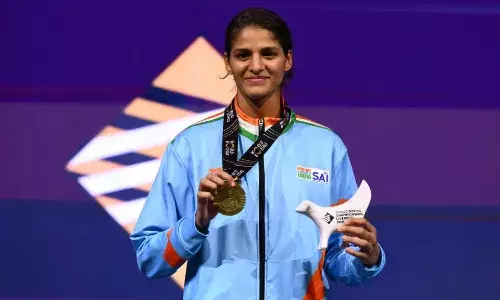
The qualification system for boxing at the Los Angeles 2028 Olympics has been officially announced, outlining a structured yet highly competitive pathway for athletes aiming to secure a place at the Games.
While the framework broadly mirrors the system used for the Paris 2024 Olympics, a key addition the inclusion of the 2027 World Boxing Championships as a qualification event marks a significant shift in how boxers will approach the Olympic cycle.
The pathway begins with the World Boxing Championships in 2027, which will now serve as the first opportunity for athletes to secure direct Olympic quota places. This is a notable change from previous cycles, where the World Championships did not play a direct role in Olympic qualification. By integrating this event, the governing structure has effectively increased the importance of early-cycle performance, rewarding boxers who can peak well ahead of the continental qualifiers.
Following the World Championships, athletes will move into their respective continental qualification events. These tournaments covering Africa, Asia, Europe, Oceania, and the Pan-American region will continue to play a crucial role in distributing quota places across regions. As with previous Olympic cycles, these events are designed to ensure geographic representation while maintaining competitive standards.
The qualification journey will conclude with two World Qualification Tournaments scheduled for 2028. These events provide a final opportunity for boxers who fall short in earlier stages to secure their Olympic berths. Notably, the second World Qualification Tournament will have a variable number of quota places, dependent on the distribution of host country slots across weight categories. This introduces an additional layer of strategic uncertainty, as athletes and federations will need to adapt based on evolving allocations.
One of the most significant developments in the LA 2028 qualification system is the expansion of women’s boxing categories. The number of weight divisions for women has increased from six to seven, reflecting a continued push towards gender parity in the sport. However, this expansion comes with an important trade-off. With the total number of athlete quotas capped, the addition of a new category means that fewer quota spots will be available per weight class.
For women, a total of 124 quota places will be distributed across seven weight categories, compared to a more concentrated allocation in Paris. The World Championships will offer a substantial share of these spots, with most categories providing four quota places, while heavier divisions offer slightly fewer. Continental qualifiers will remain a key avenue, contributing a consistent number of quota spots across all regions.
The two World Qualification Tournaments will further distribute places, with the first offering a relatively larger pool of quotas and the second acting as a final qualification window. Host country places and universality spots will also be allocated, ensuring representation from nations that may not qualify through standard pathways.
On the men’s side, the structure remains more stable, with seven weight categories and a total of 124 quota places. The distribution across events mirrors the women’s system, though with slightly different allocations in certain qualification stages. The World Championships will again serve as the starting point, followed by continental qualifiers and the two global tournaments.
From a competitive standpoint, the inclusion of the World Championships as a qualification event is likely to intensify early-cycle competition. Boxers will no longer have the luxury of building gradually towards continental qualifiers; instead, they must be prepared to perform at peak level as early as 2027. This shift could favour more experienced athletes with established international credentials, while younger boxers may find the pathway more demanding.
Additionally, the reduction in quota places per weight category—particularly in women’s boxing—will significantly increase competition density. Margins for error will be minimal, and a single loss at a key qualification event could derail an athlete’s Olympic ambitions. As a result, strategic planning, tournament selection, and peak conditioning will become even more critical.
For countries like India, which have shown steady progress in Olympic boxing over recent cycles, the revised system presents both opportunities and challenges. The added World Championships qualification route offers an early chance to secure spots, potentially reducing pressure on continental events. However, the tighter quota distribution means that consistency across multiple tournaments will be essential.
Overall, the LA 2028 boxing qualification system reflects a balance between continuity and evolution. By retaining the core structure of the Paris model while introducing the World Championships as a qualifying event, the system aims to reward sustained excellence across the Olympic cycle. At the same time, the expansion of women’s categories signals a continued commitment to inclusivity, even as it raises the competitive bar.
As the road to Los Angeles begins, one thing is clear: securing an Olympic berth in boxing will be more demanding than ever, requiring not just talent, but precision in execution across every stage of the qualification journey.
Comments (0)
to post comments, replies, and votes.
Loading comments…
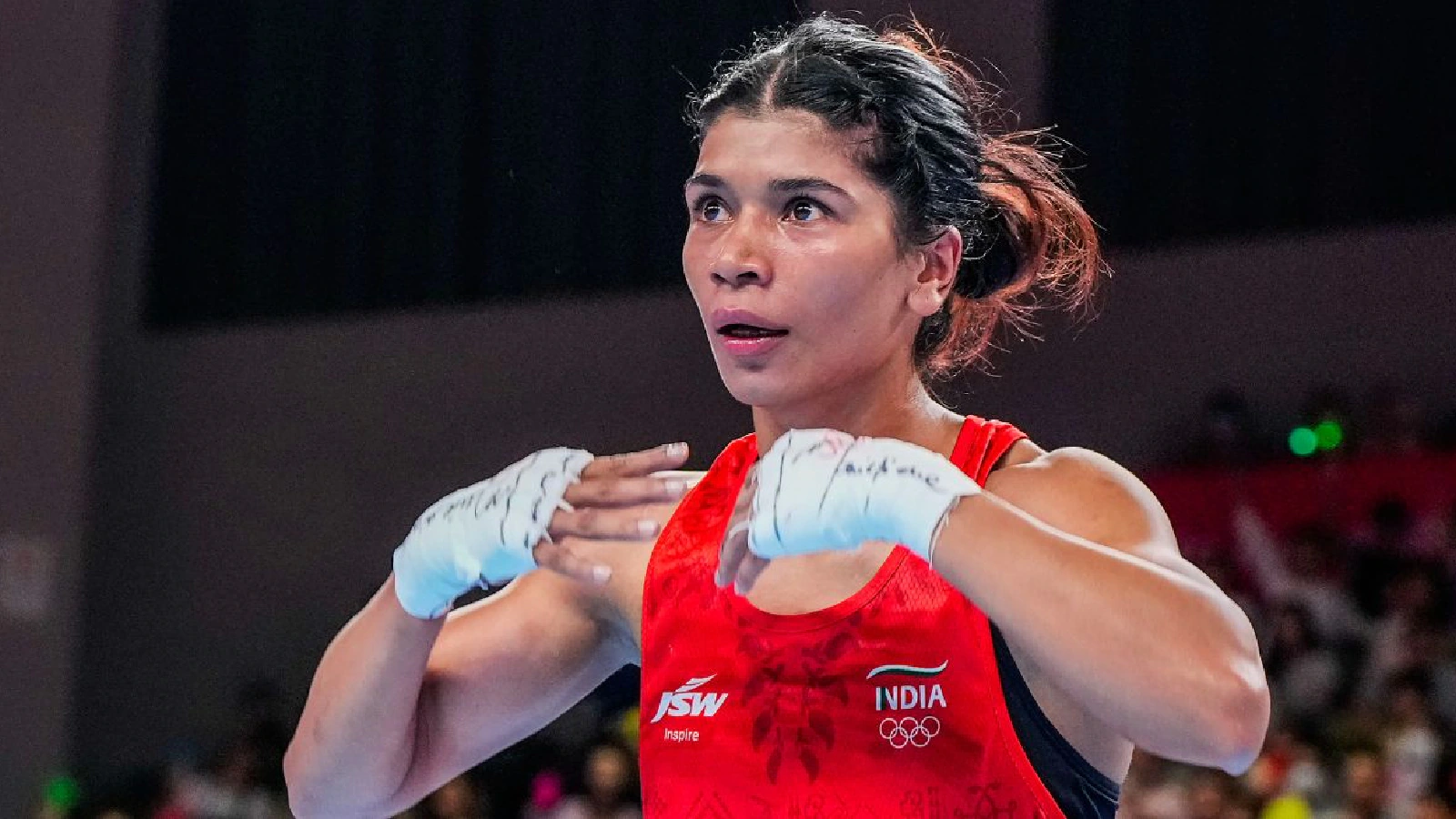
 U17 pose with his silver medal at Asian Boxing U15 & U17 Championships 2026.jpeg)
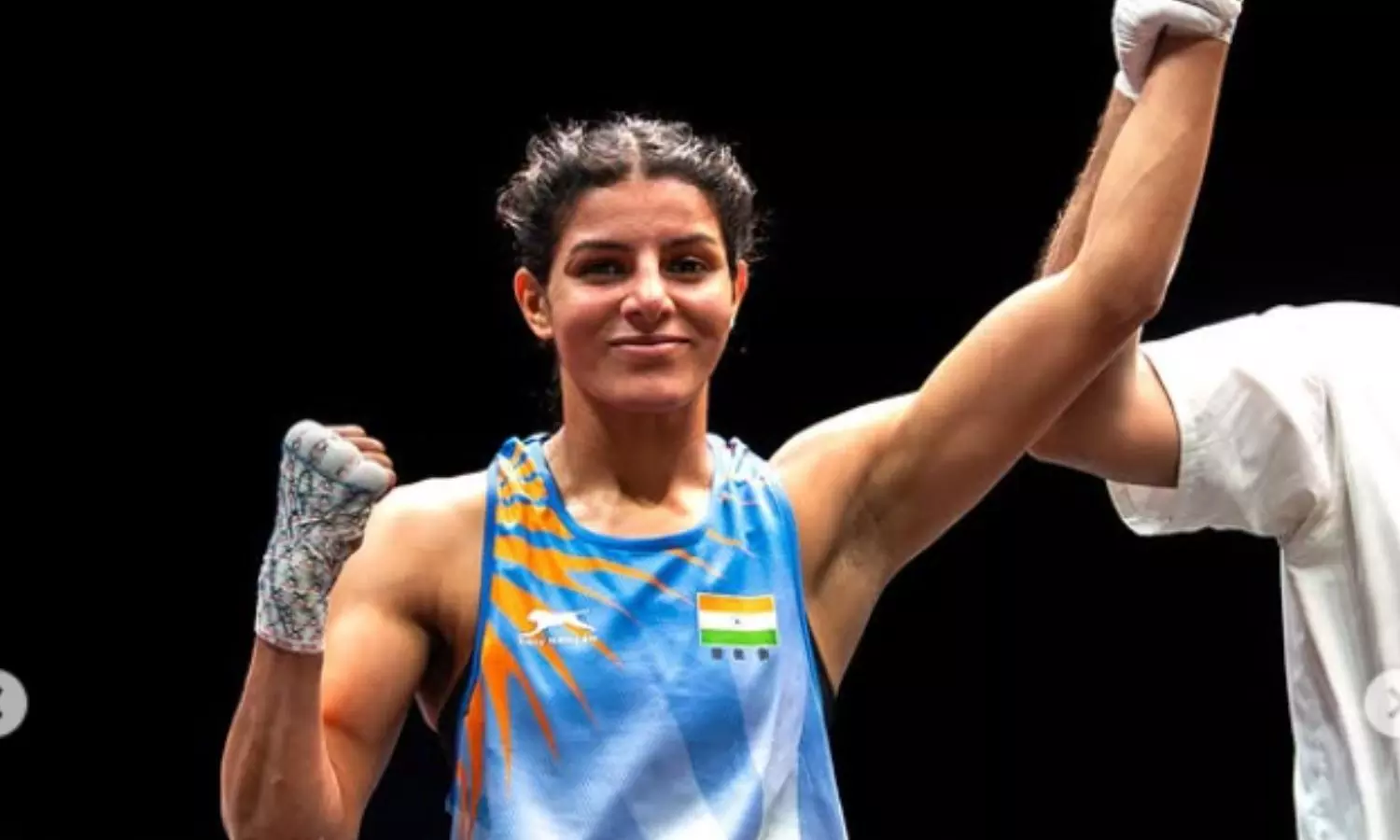
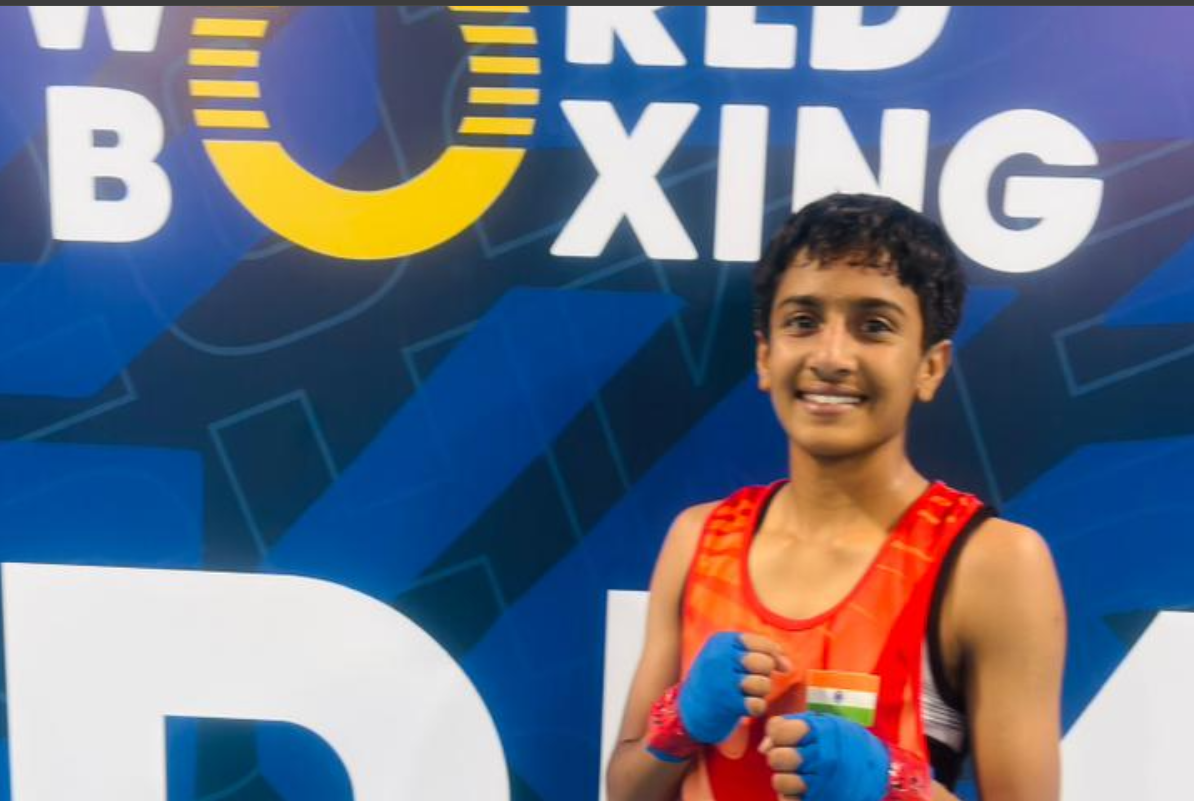
 U17 celebrates his SF win with coaches at Asian Boxing U15 & U17 Championships 2026.jpeg)
 U17 celebrates her SF win with coaches at Asian Boxing U15 & U17 Championships 2026.jpeg)
 U-15 celebrates his SF win with the coaches at Asian Boxing U15 & U17 Championships 2026.jpeg)